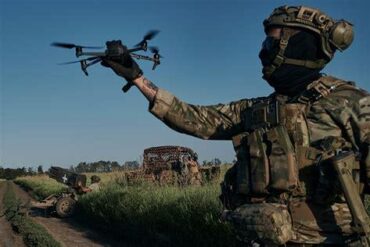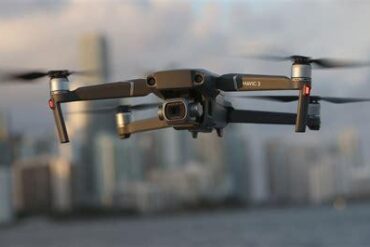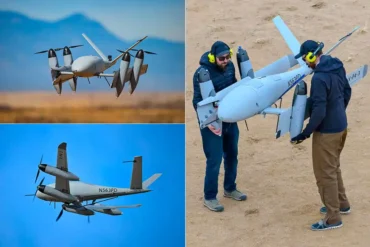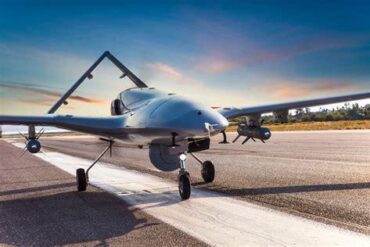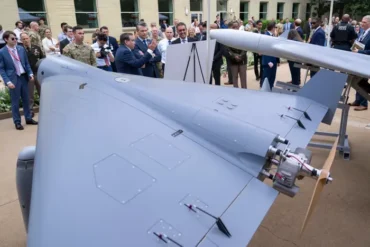
The Pentagon is accelerating its transformation of warfare by embracing the widespread integration of small unmanned aerial systems (sUAS), launching an unprecedented initiative to establish “military drone dominance” by the end of 2026. Spearheaded by U.S. Secretary of Defense Pete Hegseth, this policy shift signals a critical departure from traditional defense procurement norms and embraces a future where expendable drones become as essential as bullets and grenades on the battlefield.
A Tactical Evolution: Drones as Consumables
In a memo signed earlier this month, Hegseth laid out a bold directive: every U.S. squad will be outfitted with low-cost, expendable drones capable of reconnaissance, loitering munitions deployment, and offensive strikes. The systems targeted for this rapid deployment weigh under 55 pounds (25 kilograms) and are envisioned as disposable assets — not high-value platforms burdened by slow, bureaucratic acquisition.
The policy mandates the fast-tracked production, testing, and fielding of these drones, circumventing outdated acquisition regulations that previously treated even low-cost drones like multimillion-dollar aircraft. It also calls for the removal of policies that “overregulate” procurement and usage.
“U.S. units are not outfitted with the lethal small drones the modern battlefield requires,” Hegseth emphasized, citing delays caused by the previous administration’s red tape. Now, the focus is speed, scalability, and battlefield dominance — especially in Indo-Pacific combat units, which are being prioritized due to growing tensions with China.
Redefining Procurement: Cutting Bureaucracy
Central to this initiative is a decentralization of procurement authority, allowing field-grade officers — including captains and colonels — to directly purchase and experiment with drone systems. Stacie Pettyjohn, defense program director at the Center for a New American Security (CNAS), believes these changes will enable the Pentagon to bypass the traditional two-year acquisition cycle and adapt to the pace of evolving drone technology.
Instead of treating drones like helicopters or tanks, the memo reclassifies them to allow:
- Rapid purchasing in small batches
- Frequent iterative updates
- Simplified testing and certification
- Reduced training requirements for operators
- Expanded training areas and ranges in U.S. territory
Pettyjohn stresses that this is not a moral or ethical downgrade, but rather a necessary categorization shift to reflect their expendable, software-upgradable nature.
The Strategic Context: China’s Drone Surge
Hegseth’s drone dominance initiative arrives as China continues to outpace the U.S. in small drone development and deployment. This gap has become glaringly obvious during recent military exercises and in real-world conflicts such as Ukraine, where modified hobby drones have inflicted strategic damage.
According to Soren Monroe-Anderson, CEO of drone startup Neros, China’s manufacturing agility allows it to field combat-ready drones faster than the U.S. By streamlining internal U.S. policies and funding local production, the Pentagon hopes to bolster American drone firms and counterbalance China’s technological edge.
Learning from Ukraine: The Battlefield Advantage
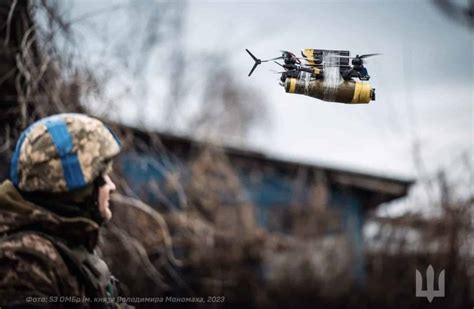
Wars in Ukraine and the Middle East have highlighted the asymmetric value of small drones. These platforms can:
- Provide persistent surveillance across hostile terrain
- Deliver precision strikes with minimal risk to human personnel
- Serve as force multipliers in contested environments
Ukrainian forces have successfully modified off-the-shelf drones for tactical use — often with devastating results. These examples offer a compelling blueprint for the U.S. military, which is now committed to integrating similar capabilities into its own training regimes.
Hegseth announced that by 2026, “force-on-force drone wars” will be integrated into all major training operations, shifting away from risk-averse exercises toward simulations that reflect actual battlefield drone dynamics.
Strategic Goals Beyond the Battlefield
While the memo is focused primarily on ground units, it also aligns with broader national objectives, including:
- Revitalizing the U.S. drone manufacturing industry
- Fostering public-private co-development via venture capital
- Creating export-friendly platforms for allies and partners
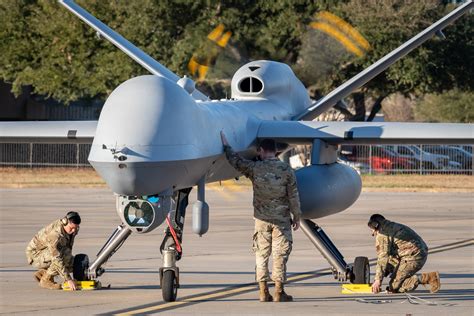
These goals echo President Donald Trump’s June 6 executive order, which emphasized defense industrial expansion using private investment. The Pentagon’s plan is to “leverage internal savings” from the Department of Government Efficiency to fund initial deployments, although detailed budget plans remain unclear.
Bridging the Gap: Replicator and Rapid Innovation
This latest move builds on prior initiatives such as 2023’s Replicator, a Biden-era program designed to rapidly field thousands of “attritable” autonomous drones across all military domains to counter China’s numerical advantage in manned systems. Michael Horowitz, a former Pentagon official, explains that Replicator proved the viability of drone swarming technologies for near-term deployment.
Though Replicator focused heavily on the Indo-Pacific theater, Hegseth’s directive narrows the focus to short-range, squad-level systems — an area less impacted by long-range capability constraints but vital for tactical engagements and defensive posturing.
Indo-Pacific Impact: The Taiwan Strait Dilemma

The ultimate test of this initiative may be its role in deterring Chinese aggression across the Taiwan Strait. Admiral Samuel Paparo, commander of U.S. Indo-Pacific Command, has openly discussed plans to create a drone “hellscape” across the Strait, flooding the airspace with small, agile platforms to disrupt any attempted amphibious crossings.
This strategy reflects a growing consensus that drones can be central to “porcupine defense” strategies in the region, especially for allies like Taiwan, Japan, and Australia. The Pentagon’s plan to offer co-production and sustainment options with these nations may establish a resilient supply chain of interoperable drone systems throughout the region.
Scaling the Defense Industrial Base
Although China dominates the global market for commercial drones, the U.S. remains a leader in advanced aerospace and manned systems. Industry analysts like Eric Heginbotham of MIT expect U.S. startups to gain ground quickly in mid-range drone development, thanks to defense funding and a flood of new opportunities created by Hegseth’s policy shift.
Startups like Neros, Anduril, and Skydio are already testing next-generation drone technologies at military facilities such as the Yukon Training Area in Alaska, collaborating directly with combat units to iterate in real time.
A New Era of Decentralized Warfare
By pushing procurement power downward and decentralizing decision-making, the Pentagon is embracing a modern military philosophy — one in which speed, adaptability, and autonomy trump heavy bureaucracy. Drone squadrons may soon mirror the agility of software development cycles, where field-tested iterations and rapid feedback loops become standard.
Yet, critical questions remain:
- Will the Department of Defense allocate sufficient funding?
- Can the defense industrial base scale up production in time?
- Will training programs adjust fast enough to keep pace with tech evolution?
These unanswered challenges will determine whether the U.S. can genuinely achieve drone dominance — or if it will remain one step behind adversaries who’ve already mastered this domain.
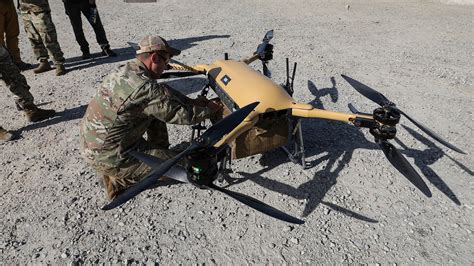
As Defense Secretary Hegseth put it: “What we need is more systems fielded quickly. The technology is ready.” Now, the military must prove it’s ready too.
ncG1vNJzZmivp6x7s7HBnqOrmZ6YtbjFzmeaqKVfnru0tcahq5xrX6y9rrHNZp2ymaSpe4nAzKU%3D