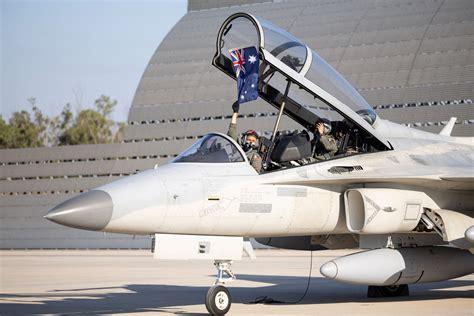
The Philippine Air Force (PAF) is embarking on a significant modernization program for its FA-50PH light combat aircraft, marking a strategic pivot in response to escalating regional security dynamics, particularly in the South China Sea. The $64 million contract, signed on December 26, 2025, with Korea Aerospace Industries (KAI), lays the groundwork for an extensive upgrade that will stretch through 2029 under the Horizon 3 modernization initiative.
Strategic Partnership and Contract Overview
KAI’s agreement with the Philippine Department of National Defense exemplifies a deepening defense cooperation between South Korea and the Philippines. The multi-year deal focuses on a suite of performance enhancements aimed at transforming the FA-50PH fleet into a more interoperable, survivable, and capable force.
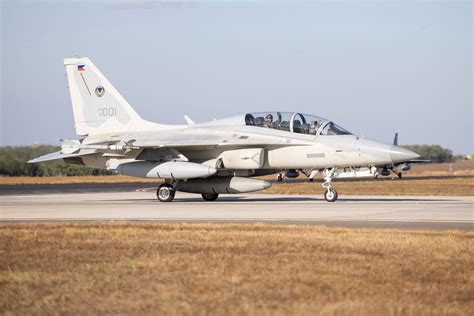
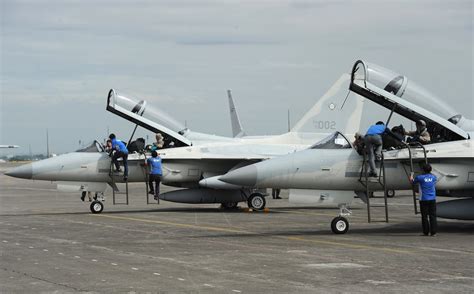
The FA-50PH, a localized variant of the FA-50, is a light combat aircraft co-developed by KAI and Lockheed Martin, derived from the T-50 Golden Eagle trainer platform. The current operational fleet includes 11 aircraft, after one was lost in a training incident in 2021.
Technical Capabilities and Upgrade Focus
The FA-50PH is powered by a General Electric F404-GE-102 turbofan engine, delivering 78 kilonewtons of thrust with afterburner and reaching speeds up to Mach 1.5. With a ferry range of 2,900 kilometers, it is well-suited for missions across the Philippines’ sprawling archipelago and maritime areas.
Central to the upgrade are improvements in:
- Weapons integration for expanded air-to-air and air-to-ground targeting flexibility
- Advanced avionics for greater situational awareness and sensor fusion
- Fuel management systems to increase mission endurance
- Communications and data links, including potential integration of Link-16 architecture
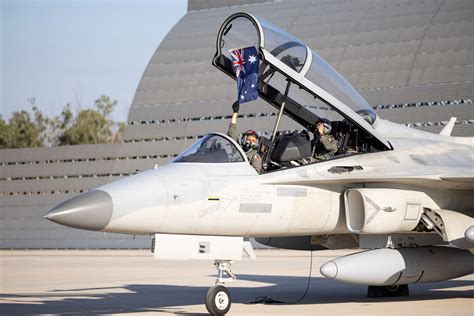
These enhancements will transform the FA-50PH into a highly networked combat asset, aligning with allied standards and ensuring compatibility with regional security partners such as the United States and Australia.
Force Multiplier for a Modest Fleet
With seven external hardpoints and a payload capacity of approximately 2,300 kilograms, the FA-50PH can carry diverse ordnance, including:
- AIM-9 Sidewinder missiles for close-in dogfights
- Laser- and GPS-guided bombs for precision strike missions
- An internal M61A1 20 mm cannon for strafing and aerial engagements
While it is categorized as a light combat aircraft, the ongoing upgrade is designed to maximize sortie effectiveness, reduce targeting latency, and enhance coordination in combined operations.
Operational Implications in a Contested Environment
The upgrades are not merely cosmetic or incremental; they aim to align the PAF with the demands of modern multi-domain warfare. Enhanced network integration will enable the FA-50PH to operate within a joint sensor-shooter grid, incorporating:
- Naval surface units
- Ground-based radar stations
- Allied air assets
This broader framework will support the Philippines’ growing emphasis on maritime domain awareness and gray-zone operations—actions designed to counter adversarial maneuvers that stop short of open conflict.
Sustainment and Lifecycle Support
The deal includes a comprehensive sustainment package that addresses chronic challenges in spare parts supply, technician training, and aircraft availability rates. These measures are pivotal for a country like the Philippines, whose defense resources must be stretched across vast territorial waters and numerous islands.
By reducing downtime and enhancing maintainability, the upgrades aim to ensure the readiness of the FA-50PH fleet at any given moment—a crucial factor in times of heightened alert or rapid crisis escalation.
Geopolitical Calculus and Cost-Effective Deterrence
Rather than investing in entirely new fighter platforms, the Philippines has chosen a cost-managed path to capability enhancement. The decision aligns with the Horizon 3 program’s overarching aim: to achieve credible deterrence without compromising fiscal responsibility or introducing steep learning curves for pilots and maintenance crews.
This modernization ensures that the FA-50PH remains not just relevant but also interoperable in a region increasingly characterized by power projection, military posturing, and electronic warfare. It also sends a clear message: the Philippines is no longer content to be a passive actor in its own airspace.
South Korea’s Expanding Defense Footprint in Southeast Asia
For KAI and South Korea more broadly, this contract solidifies their position as a key defense partner in Southeast Asia. It showcases KAI’s ability not just to export platforms, but to support their long-term operational viability through tailored upgrades and integrated logistics.
This model of partnership—built on incremental modernization rather than wholesale procurement—may serve as a blueprint for other ASEAN nations seeking affordable ways to elevate their defense posture in an increasingly contested Indo-Pacific.
Conclusion: Tactical Upgrades with Strategic Impact
The FA-50PH modernization is far more than an aviation upgrade—it’s a strategic recalibration. It reflects the Philippines’ recognition of an increasingly volatile regional security environment and its commitment to maintaining a responsive and credible air defense capability.
Through this program, the FA-50PH becomes more than a transitional platform; it becomes a keystone of Philippine aerial deterrence, reinforcing sovereignty, extending operational reach, and weaving tighter bonds with regional allies. As gray-zone threats continue to evolve, so too must the tools and tactics designed to counter them—and the FA-50PH upgrade is a decisive step in that direction.