Travel promises escape, relaxation, and new experiences. Yet hidden hazards sometimes exist in the very places designed for comfort. Among the most dangerous — and least visible — threats in hotels, resorts, and vacation rentals is carbon monoxide (CO). This invisible gas has no smell, no taste, and no color, making it almost impossible to detect without specialized equipment.
Consumer safety experts increasingly warn travelers about this risk, and one simple device has emerged as a powerful safeguard: a portable carbon monoxide detector. Small enough to slip into a carry-on bag yet capable of detecting lethal conditions, this gadget has quietly become one of the most important safety tools a traveler can carry.
Why Carbon Monoxide Is a Silent Travel Threat
Carbon monoxide forms when fuel-burning appliances fail to burn completely. Furnaces, water heaters, generators, and gas-powered appliances can all produce it. In properly ventilated environments, the gas disperses harmlessly. When ventilation fails or equipment malfunctions, however, carbon monoxide can accumulate rapidly.
The danger lies in its subtlety. Unlike smoke or natural gas leaks, carbon monoxide provides no sensory warning. Travelers sleeping in unfamiliar hotel rooms may have no indication anything is wrong until symptoms appear.
Early symptoms of carbon monoxide exposure often mimic common illnesses:
- Headaches
- Nausea
- Dizziness
- Extreme fatigue
- Confusion
These warning signs can easily be mistaken for jet lag, dehydration, or a mild viral infection. That misinterpretation can keep someone inside a contaminated space longer, increasing exposure and risk. Severe poisoning can lead to unconsciousness and death.
Hotels and resorts generally maintain safety systems, but the reality is that carbon monoxide incidents still occur worldwide.
Real Travel Tragedies That Highlight the Risk
Several high-profile incidents in recent years illustrate how serious the danger can be. Even luxury accommodations are not immune.
In 2025, three young American travelers celebrating a birthday vacation in Belize died after carbon monoxide leaked into their room at the Royal Kahal Beach Resort. Investigators later suggested a faulty water heater may have been the source of the gas.

Two years earlier, another tragedy occurred at the Rancho Pescadero Resort in Mexico, where an American couple died from carbon monoxide exposure in their hotel room. The devastating event prompted their family to establish the John Wesley Heathco Legacy Foundation, an organization dedicated to raising awareness about carbon monoxide safety during travel.
These cases share a troubling pattern. Guests checked into rooms expecting luxury and comfort, unaware that mechanical failures or ventilation problems had created lethal conditions.
Carbon monoxide hazards inside hotels can originate from several sources:
- Malfunctioning heaters or furnaces
- Faulty water heaters
- Pool or spa heating systems
- Backup generators
- Portable heating devices
- Poor ventilation in mechanical systems
One surprising reality is that there is no universal federal requirement mandating carbon monoxide detectors in every hotel room. Some regions enforce strict safety codes, while others leave the decision to individual property owners. That inconsistency means travelers cannot always assume detectors are present.
How Portable CO Detectors Protect Travelers
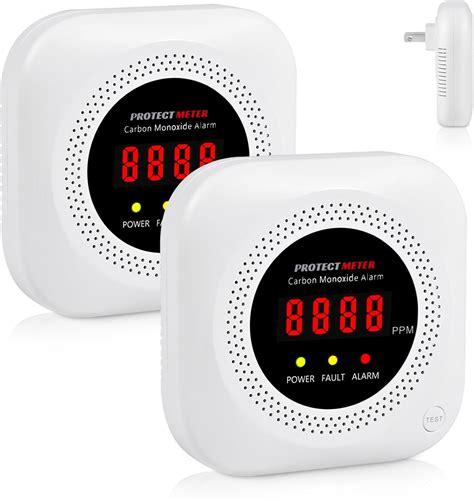
Portable carbon monoxide detectors solve this uncertainty. These devices function much like the detectors installed in homes but are designed specifically for mobility. Most are compact, lightweight, and battery-powered, allowing travelers to place them anywhere in a hotel room.
The technology inside these devices continuously measures carbon monoxide concentration in the surrounding air. When levels exceed safe thresholds, the detector triggers alarms to alert occupants immediately.
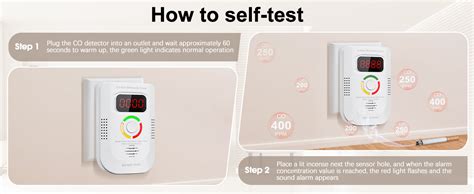
The benefits of portable CO detectors are straightforward but powerful. They offer real-time environmental monitoring in spaces travelers do not control. Instead of relying on a hotel’s infrastructure, guests bring their own layer of protection.
Modern travel detectors often include features such as:
- Digital CO level displays
- Loud audible alarms
- Color-coded warning indicators
- Battery-powered operation
- Compact, pocket-sized designs
Because these devices are small and lightweight, they easily fit into carry-on luggage. Many travelers simply store them alongside charging cables and power adapters.
Top Portable Carbon Monoxide Detectors Recommended by Experts
Safety organizations and consumer testing groups frequently evaluate portable detectors for accuracy, durability, and reliability. Among the models frequently highlighted are two compact options available to consumers.
Lunarlipes Portable Carbon Monoxide Detector
The Lunarlipes portable CO detector emphasizes simplicity and portability. Measuring only a few inches across, it is designed to slip easily into a pocket or travel pouch. The device runs on batteries and includes a lanyard attachment, allowing it to be clipped to a backpack, suitcase, or keychain.
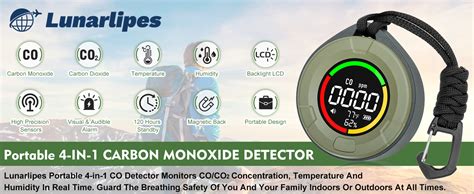
Its alert system relies on a clear three-color warning indicator:
- Green: Safe carbon monoxide levels
- Yellow: Elevated CO levels detected with alarm
- Red: Dangerous CO concentrations with aggressive alarm
The color-coded design makes the device intuitive even in low-light hotel environments.
Forensic Detectors Travel Carbon Monoxide Monitor
Another highly regarded option is the Forensic Detectors travel CO monitor, a slightly more advanced device that provides both audible alarms and flashing visual alerts when dangerous levels are detected.
This detector is also battery-powered and extremely lightweight. When carbon monoxide levels become hazardous, the device triggers a loud alarm. If levels become extremely dangerous, the alarm intensifies and red warning lights begin flashing to ensure the alert cannot be missed.
Although priced higher than many portable models, its sensitivity and reliability make it appealing to travelers seeking extra reassurance.
A Small Device With Outsized Importance
Travel often focuses on convenience gadgets — portable chargers, luggage trackers, or compact adapters. Yet few devices provide the life-saving potential of a portable carbon monoxide detector.
The physics of carbon monoxide poisoning makes the threat uniquely insidious. Because humans cannot sense the gas, technology becomes the only reliable early warning system. A device that weighs just a few ounces can detect the danger long before symptoms appear.
For frequent travelers, keeping a detector packed alongside essential electronics becomes a simple routine. The device remains dormant most of the time, quietly monitoring the air. But if a mechanical failure, ventilation problem, or hidden gas leak occurs, the alarm provides the crucial seconds needed to escape.
Peace of mind rarely comes in such a small package. Yet in the strange and unpredictable world of travel safety, a pocket-sized carbon monoxide detector may be one of the smartest items anyone can bring on a trip.