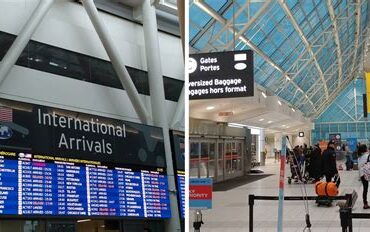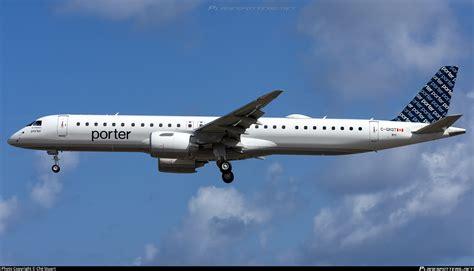
Porter Airlines, a bold disruptor in Canadian aviation, has redefined the standards for regional air travel with its unique service model, centralized downtown operations, and commitment to customer experience. As Canada’s third-largest airline, Porter has grown from a local alternative to a nationally relevant carrier, with a fleet modernization strategy and service innovation that position it as one of North America’s most distinctive airlines.
Origins at Billy Bishop: A Turboprop Vision with Controversy
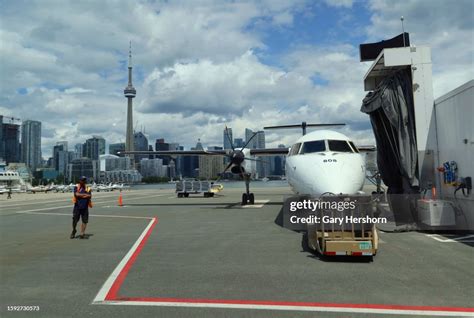
Founded on February 2, 2006, and launching operations later that year, Porter Airlines emerged with a mission: to connect eastern Canadian cities with premium regional service from the ultra-convenient Billy Bishop Toronto City Airport. The airline was the brainchild of Robert Deluce, whose vision for a turboprop-based operation at the island airport quickly drew political and corporate fire. The cancelled 2003 fixed-link bridge project and Porter’s subsequent acquisition of the Jazz terminal through Porter Aviation Holdings sparked significant backlash and litigation. By early 2006, Air Canada Jazz was evicted, marking Porter’s ascendancy as the dominant player at Billy Bishop.
Despite vocal community opposition and sustained lawsuits, Porter pressed on. Its startup period was marred by allegations of unfair competition and regulatory impropriety, but the Deluce family’s perseverance ensured the airline not only survived — it thrived.
Strategic Expansion and Terminal Investments
Porter’s long-term viability hinged on infrastructural autonomy. In March 2010, the airline unveiled a custom-built 10-gate terminal on the island, offering travelers a boutique airport experience paired with convenience few urban airports could match. That same year, Porter expanded its operational reach with Q400 turboprop fleet upgrades, pushing its aircraft capacity from 70 to 78 seats while maintaining legroom and low-noise performance.
In 2015, Porter inaugurated a pedestrian tunnel connecting the mainland directly to the airport terminal, eliminating dependency on ferry services and streamlining passenger flow. However, Porter’s most ambitious infrastructure proposal — a controversial plan to permit jet service at Billy Bishop with Bombardier CS100s (now A220-100s) — was ultimately defeated. Despite thorough feasibility studies, the City of Toronto, Toronto Port Authority, and federal government, led by Transport Minister Marc Garneau, rejected the plan in November 2015, ending hopes of a major downtown jet expansion.
Impact of COVID-19 and Strategic Realignment
Porter’s operations came to a standstill during the pandemic. From March 20, 2020, to September 8, 2021, all flights were suspended — a devastating pause for a mid-sized airline. To survive the prolonged disruption, Porter secured up to CA$270.5 million in federal loans. The restart strategy involved not just relaunching suspended routes, but strategically redeploying resources.
Significantly, Porter pivoted from being Billy Bishop-exclusive to a dual-hub strategy, launching expansive operations at Toronto Pearson and Ottawa International Airport. Porter’s new maintenance hub in Ottawa now services both its turboprop and jet fleets, strengthening operational redundancy and expanding its geographic footprint.
Corporate Structure and Strategic Investors
Porter Airlines is owned by Porter Aviation Holdings Inc., formerly REGCO Holdings. The Deluce family retains significant control, with Robert Deluce serving as Executive Chairman and Michael Deluce as CEO. Other senior leadership includes President Kevin Jackson and Board Chair Donald J. Carty.
Porter was originally backed by heavyweight institutional investors including EdgeStone Capital Partners, OMERS/Borealis Infrastructure, GE Asset Management, and Dancap Private Equity. These partners enabled the company to survive turbulent early years marked by losses totaling $44.5 million as of May 2010.
The tide turned in 2011–2012, when Porter posted its first profitable results. In 2015, a game-changing decision saw Porter sell its island terminal facility to Nieuport Aviation for an estimated $750 million, allowing it to eliminate debt while leasing back the space — a strategic move that stabilized the balance sheet without compromising operational control.
Fleet Strategy: Regional Turboprops Meet Next-Gen Jets
Porter’s fleet is a hybrid model that reflects both legacy strengths and modern ambitions. It currently operates:
- 29 De Havilland Canada Dash 8-400s (70–78 seats): suited for short-haul flights and Billy Bishop operations.
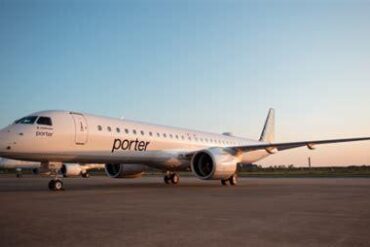
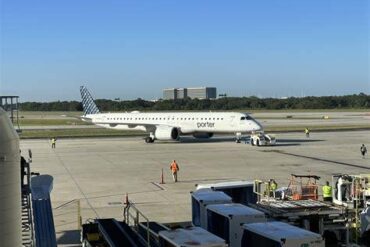
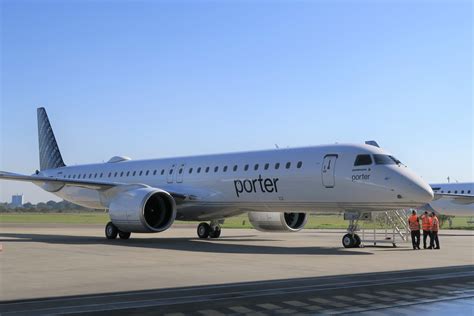
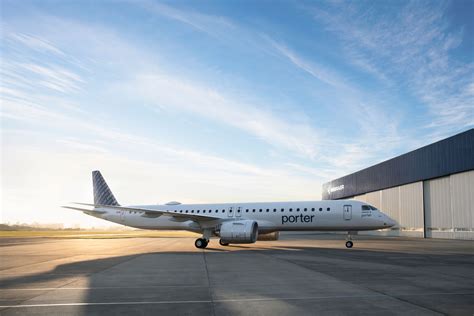
- 44 Embraer 195-E2 jets (96–132 seats): used on longer-haul routes out of Pearson and Ottawa.
Porter is the North American launch customer for the E195-E2, an aircraft known for fuel efficiency, reduced emissions, and a premium onboard environment. Fleet expansion continues aggressively, with 31 E2s on order and purchase rights for an additional 25 — a clear sign of Porter’s intent to scale.
Passenger Experience: Premium Economy, Porter Style
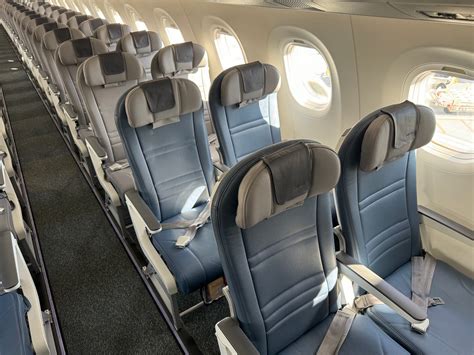
From inception, Porter differentiated itself by offering a premium economy experience at regional fares. This includes:
- Complimentary snacks, beer, and wine served in real glassware
- Lounge-style airport experience at Billy Bishop
- PorterReserve: premium seating with 32–36″ pitch, full meal service on flights over 2.5 hours
- PorterClassic Stretch: 34–36″ pitch without full meal service
- PorterClassic: standard 30″ pitch economy
- Fresh meals on E2 flights exceeding 150 minutes
- Free onboard Wi-Fi on all E2 aircraft
- Free shuttle bus between Union Station and Billy Bishop Airport
This unique blend of business-class service and regional convenience has made Porter a favorite among urban business travelers and leisure flyers alike.
Operational Network: Hubs and Strategic Codeshares
As of 2025, Porter serves 32 destinations across Canada and the United States, including seasonal and former routes. Key hubs include:
- Toronto–Billy Bishop (YTZ): primary hub for Dash 8-400s
- Toronto–Pearson (YYZ): jet operations with the E195-E2
- Ottawa International (YOW): mixed-fleet operations and maintenance headquarters
On June 3, 2025, Porter will launch new scheduled service from Hamilton International Airport, further increasing its presence in Ontario’s Golden Horseshoe.
Porter’s Air Transat codeshare and interline agreements with major global airlines enhance international connectivity, making it easier for travelers to book seamless itineraries beyond North America.
Reputation, Labor Relations, and Legal Hurdles
Porter’s rise has not been without challenges. Early protests from waterfront residents, lawsuits from Jazz, and a noise curfew violation fine in 2008–2009 put the carrier under scrutiny. Porter responded by adopting biofuel flights in partnership with Bombardier and Pratt & Whitney, showcasing environmental commitment from 2010–2012.
In January 2013, a ground crew strike and subsequent libel lawsuit against the union added labor tensions. However, both sides settled by mid-2013. A 2017 PR stumble occurred when Porter temporarily banned Rebel Media from flying, later issuing a public apology. These incidents, while disruptive, have not significantly tarnished the airline’s reputation.
Conclusion: A Boutique Carrier with Big Ambitions
Porter Airlines represents a rare blend of luxury and efficiency in short- and medium-haul air travel. By anchoring operations in downtown Toronto while expanding outward with next-generation aircraft and strategic hubs, Porter has rewritten the script for regional airlines. Its commitment to service quality, fleet modernization, and thoughtful expansion gives it a competitive edge in an increasingly commoditized market.
In an industry dominated by giants, Porter’s focus on smart growth and passenger experience ensures its continued relevance and appeal. As it looks toward future IPO considerations and broader continental expansion, Porter is poised to remain one of Canada’s most intriguing aviation success stories.