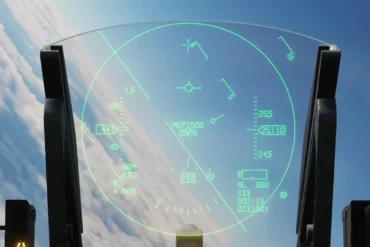
A Primary Flight Display, or PFD, is a crucial component in aircraft that use an Electronic Flight Instrument System. This display serves as the main reference for pilots, consolidating various flight information into one electronic interface. By doing this, it significantly reduces the workload for pilots and boosts their situational awareness. The layout of a PFD can vary based on the manufacturer and specific installation, but there are common features.
Typically, a PFD includes a central attitude indicator (AI) along with a flight director, surrounded by other essential flight parameters. For instance, the airspeed tape is usually located on the left side of the AI, while altitude and vertical speed readings are shown on the right. Additionally, vertical deviation indicators for ILS glideslope or VNAV (vertical navigation) appear to the right of the AI. Lateral deviations from ILS, VOR, or FMS track are generally displayed below the AI. At the bottom of the instrument, a compass reference helps guide the pilot, and important modes such as flight director, approach, autopilot, and auto-throttle are indicated across the top. This design helps pilots access critical information quickly and efficiently.