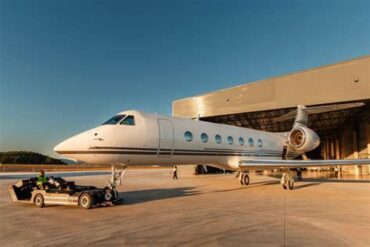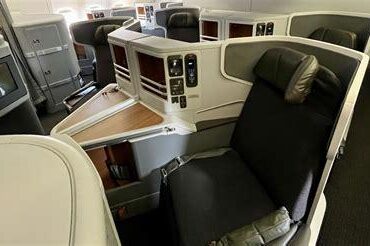
New York to Miami is one of the most established private aviation routes in the United States, connecting two cities with exceptionally strong business, financial, luxury travel, and seasonal demand. In 2026, a private jet charter from New York to Miami can cost anywhere from roughly $12,000 to more than $60,000 one way, depending on the aircraft, airport, travel date, availability, and operating requirements.
The route covers approximately 1,090 miles (1,754 kilometers) and normally takes between 2.5 and three hours in a business jet. That relatively short flight time might suggest that private charter pricing should be straightforward, but the opposite is usually true. The aircraft itself represents only part of the final price. Repositioning, airport handling, crew costs, fuel, maintenance, parking, and seasonal demand can all move the final quote substantially.
For travelers accustomed to commercial airfare, the difference can seem enormous. Yet private aviation is selling something different from a conventional airline ticket. The price includes access to an aircraft, a crew, private terminals, flexible airport choices, and the ability to avoid many of the procedures associated with scheduled airline travel. For a group of several passengers, the relevant figure is therefore often the total aircraft charter price, rather than the cost of an individual seat.
How Much Does a Private Jet From New York to Miami Cost in 2026?
The most important variable is aircraft size. Almost every major business-jet category can comfortably operate the New York-Miami sector, allowing travelers to select an aircraft according to passenger count, cabin requirements, baggage, budget, and scheduling needs.
A light jet is generally the most economical conventional option. Aircraft in the Citation CJ family or the Embraer Phenom 300 class are well suited to a flight of this length. In 2026, a typical one-way charter can fall in the region of $12,000 to $24,000, although actual quotations can move outside that range when availability is limited or positioning costs are unusually high.
These aircraft generally cruise at approximately 430–460 knots, or around 500–530 mph. Under favorable operating conditions, they can complete the journey in less than three hours. Their relatively low fuel consumption and smaller airport footprint help keep operating costs below those of larger business jets.
A midsize or super-midsize aircraft represents a significant step upward in price. Depending on the aircraft and operating circumstances, travelers can encounter one-way quotes of approximately $25,000 to $45,000 or more. These aircraft provide additional cabin space, baggage capacity, and range, making them attractive for travelers who want more room or are flying with a larger group.
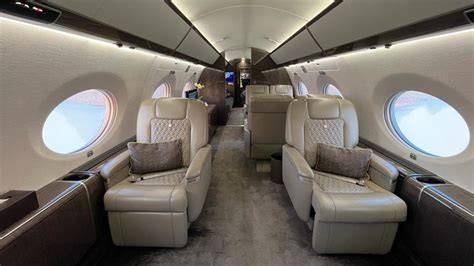
At the upper end, heavy jets and large-cabin aircraft can push the New York-Miami charter price to approximately $35,000–$60,000 or more. Aircraft comparable to the Bombardier Challenger family or Gulfstream G450-class jets provide stand-up cabins, larger seating areas, substantial baggage capacity, and premium onboard services.
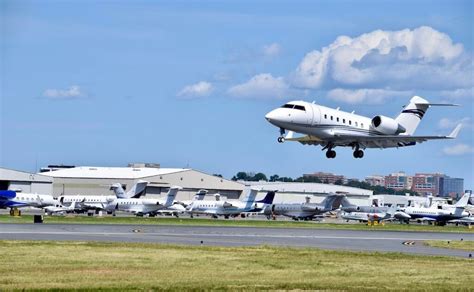
The important point is that these figures are not fixed fares. A charter operator does not simply multiply a standard hourly rate by three hours. The aircraft’s entire mission must be considered, including where it starts, where it needs to go afterward, crew requirements, airport charges, and whether another passenger is paying for the aircraft’s repositioning.
Why a Three-Hour Flight Can Cost Tens of Thousands of Dollars
The approximately 2.5–3-hour flight time is only one component of the economics behind a private charter. Operators must account for expenses incurred before, during, and after the passenger’s flight.
Aircraft ownership and operation involve depreciation, scheduled inspections, engine reserves, maintenance programs, insurance, crew salaries, training, navigation expenses, and fuel. These costs continue to exist even when an aircraft is sitting on the ground. A charter company therefore needs to recover more than the aircraft’s airborne operating cost from each mission.
Repositioning is another major factor. Imagine a passenger wants to fly from New York to Miami, but the selected aircraft is based in Miami. The jet may first need to fly empty from Miami to New York to collect the passenger. After dropping the traveler in Miami, it might then have to reposition again for another assignment.
That creates what the industry calls an empty leg. The passenger’s flight may occupy only a few hours, but the operator could effectively be managing several flight segments around it. Depending on the aircraft’s schedule, a repositioning requirement can add thousands or even tens of thousands of dollars to the quotation.
A base hourly rate can therefore be misleading. Even if an aircraft’s operating rate is around $6,000 per hour, the final invoice can include landing charges, handling fees, parking, crew expenses, catering, and other operational costs.
Winter conditions can add another layer. De-icing may become relevant for a New York departure during cold weather, while airport congestion and high demand can create additional operational pressure.
Which New York Airport Should You Use for a Private Charter?
One of the advantages of private aviation is that passengers are not limited to the largest commercial airports. In fact, private jets frequently use airports specifically designed around business aviation.
Teterboro Airport (TEB) in New Jersey is one of the most important private aviation gateways serving the New York metropolitan area. Its location makes it particularly convenient for passengers traveling from Manhattan and nearby business centers, while its extensive business aviation infrastructure supports rapid aircraft turnarounds.
Other possibilities include Westchester County Airport (HPN), Morristown Municipal Airport (MMU), and Republic Airport (FRG) on Long Island. The best option depends heavily on the passenger’s actual starting point and the aircraft selected for the trip.
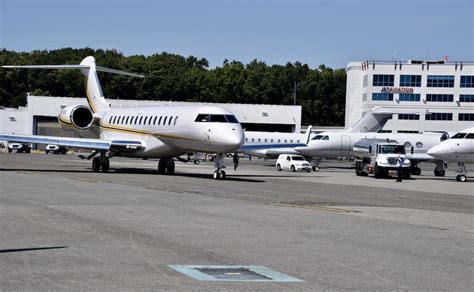
The choice of airport can affect the total charter price. A less congested airport may reduce operational complications, but a particular aircraft may already be positioned elsewhere. Ground transportation also matters. Saving a relatively small amount on the aircraft while adding substantial driving time can undermine one of the principal reasons for choosing private aviation in the first place.
For Miami-bound passengers, Miami-Opa Locka Executive Airport (OPF) and Fort Lauderdale Executive Airport (FXE) are important private aviation gateways. They can provide more convenient access to South Florida destinations than Miami International Airport, depending on where the passenger is staying.
During peak periods, however, parking and aircraft availability at South Florida airports can become constrained. That scarcity can be reflected directly in charter quotations.
New York-Miami Private Jet Prices Rise During Peak Season
Seasonality is one of the biggest reasons two passengers can receive very different prices for essentially the same aircraft and route.
The New York-Miami corridor experiences particularly strong demand during the December-to-March winter period. Many affluent travelers, executives, seasonal residents, and business owners spend part of the winter in South Florida, producing a sustained flow of private aircraft between the Northeast and Florida.
Demand can become even stronger around major events and holidays. Art Basel Miami Beach, the Miami Grand Prix, the Miami Open, Thanksgiving, Christmas, New Year’s, and other high-demand periods can produce temporary capacity shortages.
During particularly busy periods, charter prices can rise approximately 20% to 40% compared with quieter periods, according to the reference market estimates. The exact increase varies by aircraft category and availability, but the underlying principle is straightforward: when more customers want aircraft than operators have available, flexible pricing becomes much less common.

Departure time can matter as well. A morning flight may have a different price from an evening departure because of aircraft scheduling and subsequent positioning requirements. Booking several weeks in advance can also provide more aircraft choices than requesting a jet only a few hours before departure.
Empty-Leg Flights Can Dramatically Reduce the Price
For travelers with flexible schedules, an empty-leg private jet can represent the largest potential discount.
An empty leg occurs when an aircraft needs to fly without passengers because it is repositioning for another assignment. Instead of allowing the aircraft to operate completely empty, the operator may offer the available seats to customers at a substantially reduced price.
Discounts can reach 25% to 75% in some situations. On a New York-Miami route, where aircraft frequently move between the Northeast and Florida, the opportunity for repositioning flights can be relatively significant.
In exceptional cases, a one-way empty-leg opportunity may fall below $10,000. That does not mean a traveler can reliably book New York to Miami for that amount. Empty legs are created by the operator’s existing schedule, not by the passenger’s preferred itinerary.
The trade-off is flexibility. Departure times can be fixed, routes can change, and availability can disappear quickly when the aircraft receives a full-fare booking. Travelers willing to adjust their schedule can potentially capture substantial savings, while those requiring a specific departure time have far fewer options.
Chartering a Jet Versus Owning One
The economics become even clearer when chartering is compared with aircraft ownership.
A pre-owned midsize business jet can cost roughly $3 million to $8 million, while newer aircraft can exceed $10 million to $20 million. That purchase price is only the beginning. Buyers must also account for inspections, avionics upgrades, interior refurbishment, insurance, hangar costs, crew salaries, training, and ongoing maintenance.
Annual fixed operating expenses can exceed $1 million, depending on the aircraft and operating model. Fuel then adds a variable cost that rises with utilization. A midsize jet can consume roughly 150–300 gallons per flight hour, meaning fuel alone can become a substantial expense over hundreds of annual flight hours.
This is why chartering can make economic sense for travelers who need private aviation only occasionally. Rather than carrying the financial burden of an aircraft that may spend much of its time unused, passengers pay for access when they actually need it.
For frequent private travelers, alternatives such as jet cards, fractional ownership, and managed aircraft programs can occupy the middle ground between ad hoc charter and full ownership. Companies including NetJets, Flexjet, and VistaJet operate within this broader private aviation market, although their pricing structures and membership models differ.
What Should You Expect to Pay for New York to Miami?
For a 2026 one-way private jet charter, a practical pricing framework is approximately $12,000–$24,000 for a light jet, around $25,000–$45,000 for many midsize or super-midsize options, and $35,000–$60,000-plus for larger premium aircraft.
Those figures should be treated as market ranges rather than guaranteed fares. A specific quotation can be considerably higher or lower depending on aircraft positioning, passenger count, airport choice, travel date, catering, crew requirements, and seasonal demand.
The best way to understand the economics is to think of the New York-Miami private aviation market as a combination of aircraft cost and logistical cost. The aircraft may spend only three hours carrying passengers, but the operator’s financial commitment extends well beyond those three hours.
For travelers, the biggest pricing opportunities generally come from choosing the right aircraft category, selecting an appropriate private airport, booking before peak demand becomes intense, and remaining flexible enough to consider an empty leg. Conversely, last-minute travel during a major Miami event can produce some of the highest prices on the route.
Ultimately, a private jet charter from New York to Miami in 2026 is less about paying for three hours in the air than purchasing an entire travel solution around those three hours. For some passengers, the value lies in avoiding commercial airport congestion and gaining schedule flexibility. For others, the ability to depart from a convenient business aviation airport, travel with a group, and arrive closer to a South Florida destination changes the calculation entirely. The headline price may be high, but the final figure depends on how efficiently the aircraft, schedule, airports, and passenger requirements fit together.