The pricing of a business class suite aboard the Airbus A380 in 2026 has evolved into something far more complex than a simple fare chart. On Qatar Airways, the cost of stepping into its upper-deck cabin is no longer dictated purely by distance or demand—it is now shaped by geopolitical disruptions, strategic fleet management, and the increasing rarity of the world’s largest passenger aircraft.
In a year defined by uncertainty, the airline’s decision to temporarily ground its A380 fleet has dramatically altered the economics of premium travel. What was once a relatively stable flagship experience has transformed into a scarcity-driven luxury product, where timing, route selection, and booking strategy play decisive roles in determining how much you actually pay.
Understanding the true cost of this experience requires more than just looking at ticket prices. It demands a closer look at the aircraft itself, the onboard product, and the unique market forces shaping aviation in 2026.
Why Qatar Airways’ A380 Business Class Feels Different in 2026
Flying on the Airbus A380 has always carried a certain prestige, but in 2026, that prestige is amplified by rarity. Unlike many modern widebody jets, the A380 represents a fading chapter of aviation—one defined by scale, space, and onboard social experiences.
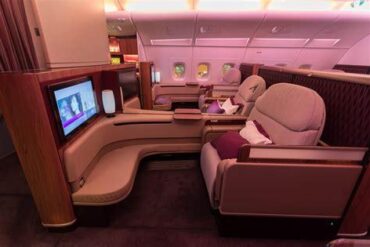
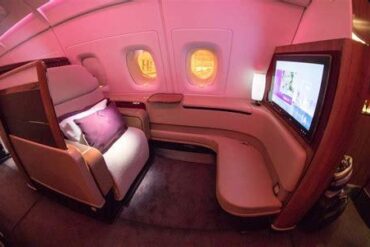
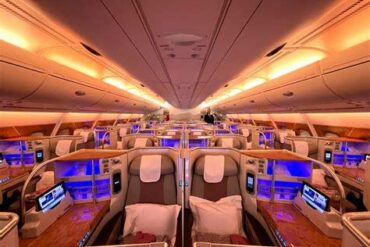
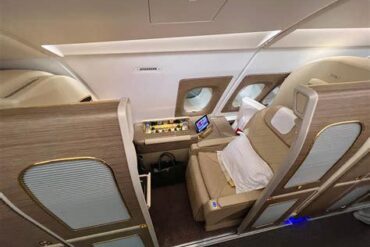
Qatar Airways has taken a notably different approach compared to competitors. Instead of retrofitting its A380 fleet with its industry-leading Qsuite, the airline has preserved the original reverse-herringbone seating configuration. At first glance, this might seem like a compromise, but the reality is more nuanced.
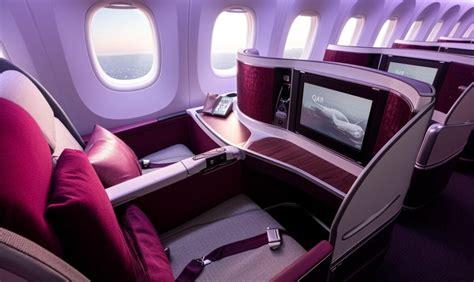
The cabin houses 48 business class seats in a 1-2-1 layout, ensuring every passenger enjoys direct aisle access. Each seat offers:
- A 22.2-inch wide seating area
- A fully flat bed extending to 80 inches
- Substantial side storage thanks to the aircraft’s wide fuselage
What truly elevates the experience is the upper-deck environment itself. The A380’s design allows for quieter cabins, improved air circulation, and a sense of openness that even the most advanced twin-engine aircraft struggle to replicate.
This is not a private suite experience—it is something more social, more atmospheric, and arguably more memorable.
2026 Pricing Breakdown: What You’ll Actually Pay
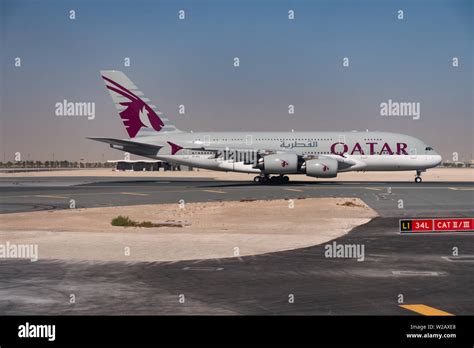
The cost of a business class ticket on Qatar Airways’ A380 in 2026 is heavily influenced by limited availability and route consolidation. After grounding the fleet during April and May, the airline has reintroduced the aircraft on a highly restricted network, focusing on key trunk routes.
For travelers, this means fewer seats and higher competition—both of which push prices upward.
A one-way business class fare typically falls into the following ranges:
- London Heathrow to Doha: Around $3,200
- Doha to Bangkok: Up to $4,100
- Long-haul routes like Sydney (from September 2026): Exceeding $5,500
These figures are not static. Pricing algorithms dynamically adjust fares based on:
- Seasonal demand peaks
- Remaining seat inventory
- Booking lead time
When demand surges—especially during summer or holiday travel windows—the system quickly escalates fares into premium tiers.
The result is a pricing landscape where waiting too long can cost you thousands more, even for the exact same seat.
Avios Redemptions: The Smart Way to Book
For savvy travelers, cash fares are only half the story. Qatar Airways’ integration with the Avios ecosystem offers a powerful alternative.
The airline’s dynamic award pricing introduces variability, but also opportunity. A typical redemption looks like this:
- London to Doha (off-peak): ~43,000 Avios
- Same route (peak): Up to ~58,000 Avios
- Longer routes (Asia to Doha): 50,000–70,000+ Avios
Even after factoring in surcharges, these redemptions often deliver exceptional value, frequently exceeding 3 cents per point when compared to cash fares.
However, availability is limited. With only 48 seats per aircraft and fewer aircraft in operation, award inventory disappears quickly. Flexibility in travel dates is not just helpful—it is essential.
The Absence of Qsuite: Dealbreaker or Hidden Advantage?
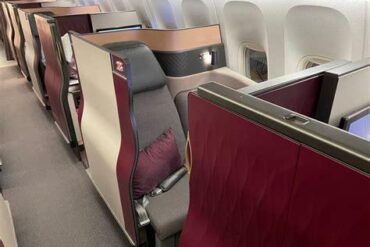
It’s impossible to discuss Qatar Airways’ business class without acknowledging the absence of its flagship Qsuite product on the A380.
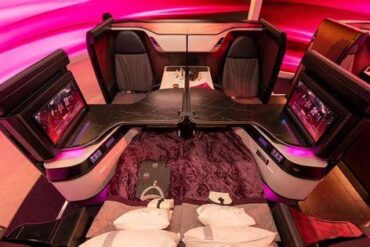
The Qsuite, widely regarded as one of the best business class offerings in the world, features sliding doors, customizable seating arrangements, and unparalleled privacy. By comparison, the A380’s open layout might appear outdated.
But this comparison misses a critical point.
The A380 is not designed to replicate the Qsuite—it offers a fundamentally different experience. Instead of prioritizing isolation, it emphasizes space, movement, and social interaction.
Passengers are not confined to their seats. They are invited to explore, relax, and engage with the aircraft in ways that modern cabins simply do not allow.
For some travelers, this trade-off is not a downgrade—it is the entire reason to choose the A380.
The Onboard Lounge: The Real Reason You’re Paying More
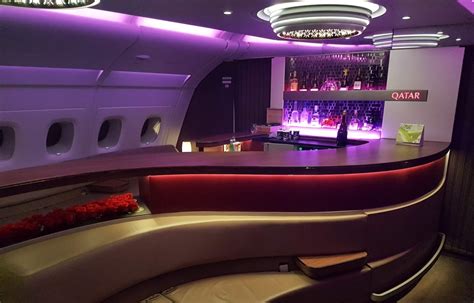
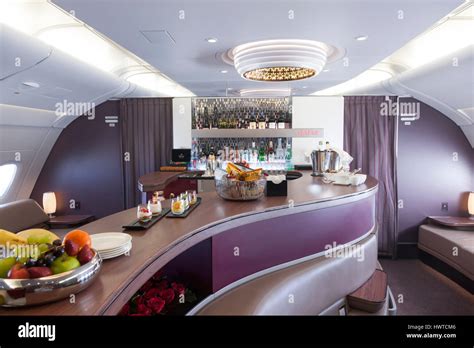
Hidden behind the business class cabin lies the A380’s most iconic feature: the upper-deck lounge and bar.
Accessible exclusively to business and first class passengers, this space transforms the flight into something far beyond transportation. It is a social hub at 40,000 feet, designed for relaxation and interaction.
The lounge includes:
- A curved bar serving premium beverages
- Leather seating areas with seatbelts
- A rotating selection of gourmet snacks and canapés
- Ambient lighting that shifts throughout the flight
Unlike traditional cabins where passengers remain seated for hours, this environment encourages movement. You can stand, stretch, converse, or simply unwind with a drink in hand.
This feature alone significantly influences ticket pricing. It is not just a seat you are buying—it is access to an experience that few aircraft in the world can offer.
Why Prices Fluctuate So Aggressively in 2026
The volatility in A380 business class pricing is not accidental—it is a direct consequence of how Qatar Airways is managing its fleet.
In 2026, the airline has adopted a tactical deployment strategy, using the A380 only where it delivers maximum value. This includes:
- High-demand routes like London
- Capacity-constrained airports
- Seasonal long-haul corridors
By reducing overall A380 operations, the airline effectively artificially limits supply, creating a premium pricing environment.
At the same time, global airspace disruptions and operational constraints further tighten capacity. The result is a perfect storm where demand consistently outpaces supply, pushing fares higher.
For travelers, this means one thing: flexibility is power. Booking early, avoiding peak travel windows, and monitoring fare trends can make a significant difference.
Upgrade Strategies: Why Last-Minute Deals Are Rare
The idea of securing a last-minute upgrade to business class has long been a favorite tactic among frequent flyers. In 2026, that strategy is increasingly unreliable—especially on the A380.
With limited seats and high demand, most premium cabins are filled well before departure. Upgrade options depend on:
- Your original ticket class
- Availability at check-in
- Targeted upgrade offers sent in advance
Typical upgrade costs start around 30,000 Avios, but even this is not guaranteed.
Additionally, not all upgrades include full premium privileges. Some fares exclude access to ground lounges, such as the prestigious Al Mourjan Business Lounge, reinforcing the airline’s tiered service strategy.
Once onboard, however, upgraded passengers enjoy the full business class experience—including the lounge and lie-flat seating.
Is It Worth the Price in 2026?
The question of value ultimately depends on what you are seeking from your journey.
If your priority is privacy and cutting-edge design, the Qsuite on other aircraft may be the better choice. But if you are chasing something more experiential—something rooted in the golden age of aviation—the A380 stands in a class of its own.
This is not just a flight. It is a time-limited opportunity.
As airlines gradually retire their double-decker fleets, the chance to experience this level of onboard space and social design is disappearing. Qatar Airways’ continued use of the A380, even in a reduced capacity, offers a rare window into a style of travel that may soon vanish.
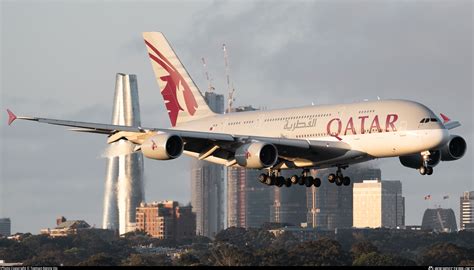
A Premium Cabin Defined by Scarcity and Legacy
The cost of a Qatar Airways A380 business class ticket in 2026 is not simply a reflection of distance or service level. It is the result of scarcity, strategic deployment, and the enduring allure of an iconic aircraft.
With fares ranging from $3,200 to over $5,500 one-way, the experience sits firmly in the premium tier of global aviation. Yet for those who understand what the A380 represents, the value extends far beyond the seat.
It is about access—to space, to atmosphere, and to a disappearing era of air travel that prioritized grandeur over efficiency.
For travelers willing to navigate the complexities of pricing and availability, the reward is clear: a journey that feels less like a flight and more like an event, unfolding high above the clouds.