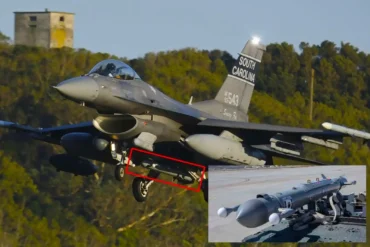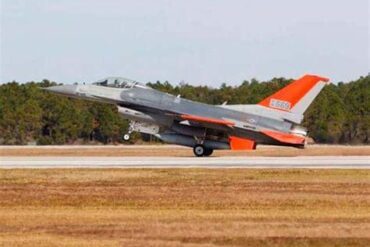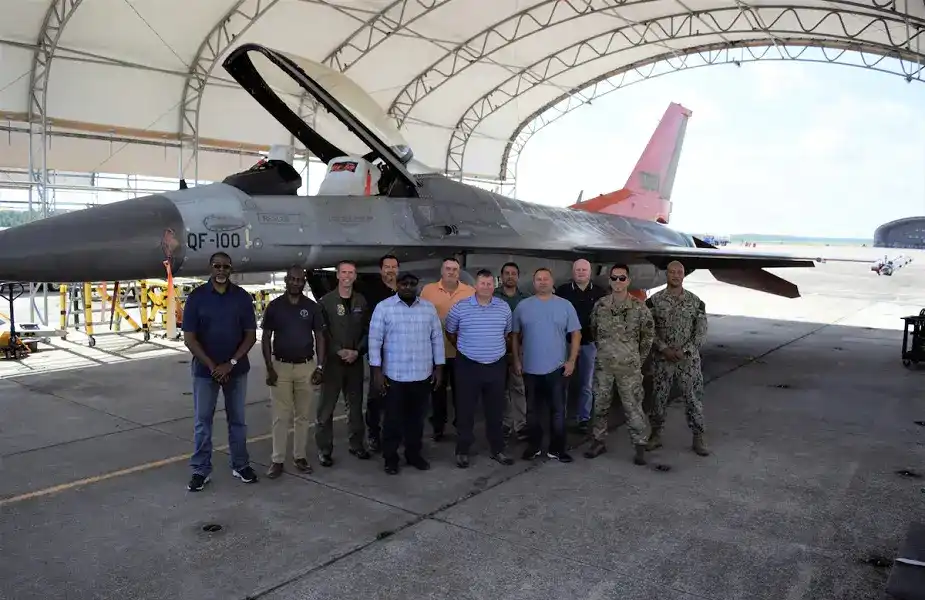
The QF-16 Zombie Vipers represent a significant technological advancement in unmanned aerial combat training. These full-scale target drones, converted from retired F-16 Fighting Falcon aircraft, provide the U.S. Air Force (USAF) with a cost-effective and highly maneuverable platform for live-fire training and weapons testing. With its retained supersonic capabilities, the QF-16 is the fastest target drone currently in service, enabling realistic aerial combat simulations that closely mimic real-world enemy threats.
Development and Technical Specifications
Conversion Process
The QF-16 program, developed by Boeing, repurposes retired F-16 Block 15, 25, and 30 variants into unmanned combat training platforms. These aircraft undergo extensive modifications, integrating remote control systems and advanced avionics, enabling them to operate in both manned and unmanned configurations. The upgrade process includes:
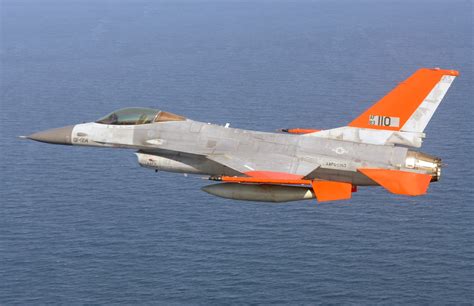
- Remote Piloting Systems – The aircraft is equipped with an advanced telemetry system that allows ground-based operators to control its flight path.
- Mission-Specific Software – Custom algorithms enable the drone to perform autonomous maneuvers, including high-G turns and supersonic engagements.
- Sensor and Communication Enhancements – Upgraded avionics allow seamless communication with ground control stations and real-time telemetry monitoring.
- Structural Reinforcements – Certain older F-16 airframes undergo refurbishment to ensure structural integrity during high-G maneuvers.
Performance and Capabilities
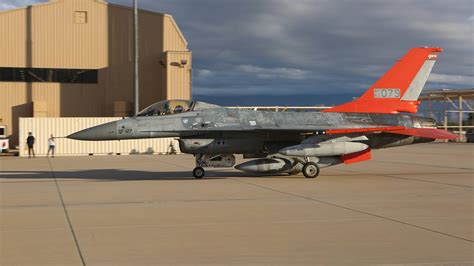
Despite its transformation into an unmanned system, the QF-16 retains the high-speed agility of its manned counterpart. Key performance metrics include:
- Maximum Speed: Mach 2.0 (1,535 mph / 2,470 km/h)
- Engine: Pratt & Whitney F100-PW-200/220 or General Electric F110-GE-100
- Operational Ceiling: Over 50,000 feet (15,240 meters)
- Flight Duration: Up to 300 flight hours before decommissioning
Mission Applications and Combat Training Value
Live-Fire Training
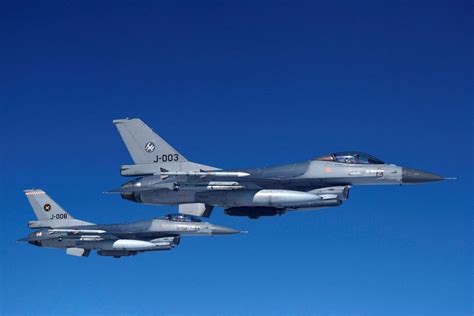
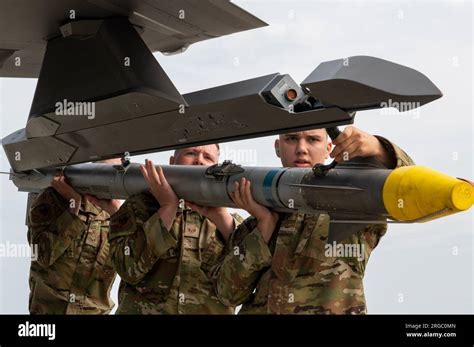
QF-16 drones serve as high-threat adversaries in live-fire air-to-air and surface-to-air training exercises. These drones simulate enemy aircraft maneuvers, allowing pilots to engage in realistic dogfights and missile engagements. The QF-16’s ability to execute advanced evasion tactics, such as high-speed climbs and sharp turns, ensures that pilots train against a target that mirrors real-world combat scenarios.
Weapons and Radar System Testing
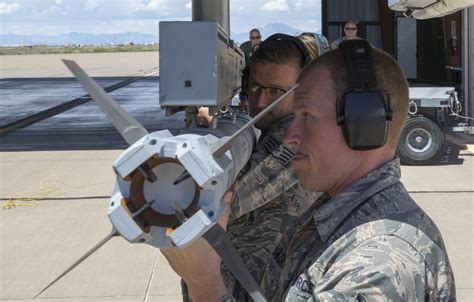
QF-16s play a crucial role in evaluating next-generation missile systems, radar technologies, and electronic warfare equipment. The drones are used to test:
- Air-to-Air Missiles: Including AIM-120 AMRAAM and AIM-9X Sidewinder
- Surface-to-Air Defense Systems: Such as Patriot and THAAD missile systems
- Radar and Electronic Warfare Suites: Helping refine target acquisition and engagement algorithms
The ability of QF-16 drones to execute pre-programmed flight paths under high-speed conditions provides invaluable data for weapons calibration and combat readiness assessments.
Cost Efficiency and Lifecycle Management
The conversion of retired F-16s into QF-16 drones provides a cost-effective alternative to newly manufactured training platforms. Key cost benefits include:
- Extended Airframe Utility: Repurposing retired fighters eliminates the need for costly new aircraft production.
- Scalable Fleet Size: The USAF can expand or contract the QF-16 program based on training demand.
- Multi-Use Deployment: Each aircraft can withstand multiple engagements before reaching the end of its service life.
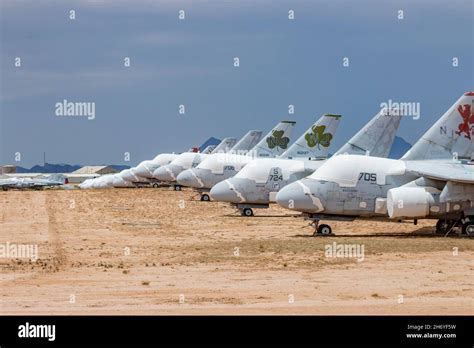
Each QF-16 has a service expectancy of approximately 300 operational hours, after which it is either destroyed during training or retired for spare parts reclamation.
Deployment and Program Status
Initial Operational Testing
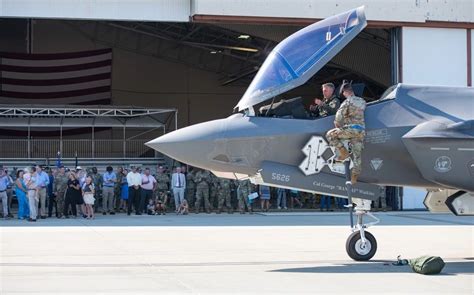
The first unmanned flight of a QF-16 took place in 2013, marking the beginning of full-scale operational testing. Boeing has since delivered over 75 units to Tyndall Air Force Base in Florida and Holloman Air Force Base in New Mexico.
Final Delivery Milestone
In July 2022, the final QF-16 of the initial production batch was delivered to the 82nd Aerial Targets Squadron (82 ATRS) at Tyndall AFB. Despite challenges such as supply chain disruptions and the COVID-19 pandemic, Boeing successfully met its delivery schedule, demonstrating the program’s operational resilience.
Technical Challenges and Innovations
Addressing Aging Airframes
One of the main challenges in converting F-16s into QF-16s is airframe longevity. Many of the donor aircraft have been in service for over three decades, requiring extensive refurbishments, including:
- Avionics and Flight Control Modernization – Updating systems to support unmanned operations.
- Structural Integrity Checks – Ensuring the aircraft can withstand high-G maneuvers without failure.
- System Compatibility Upgrades – Adapting older models to work with modern drone control interfaces.

Future Role and Technological Impact
Replacing Legacy QF-4 Phantom Drones
The QF-16 replaces the aging QF-4 Phantom drones, offering superior speed, agility, and survivability. This transition enhances the USAF’s ability to train pilots in modern aerial combat environments, where enemy aircraft capabilities continue to advance.
Data Contribution to Next-Generation Unmanned Systems
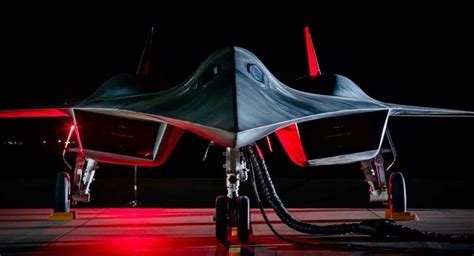
The QF-16 program serves as a technological bridge for future high-speed autonomous aircraft, including the SR-72 hypersonic drone and loyal wingman concepts. By leveraging insights gained from QF-16 operations, researchers can refine autonomous combat strategies and machine learning-driven aerial engagements.
Conclusion
The QF-16 Zombie Vipers are a critical component of modern air combat training and weapons testing. Their unmatched speed, cost-effectiveness, and ability to simulate realistic aerial threats make them an indispensable asset for the U.S. Air Force. As unmanned technology continues to evolve, the QF-16’s success will serve as a blueprint for future autonomous air combat systems.
FAQ
What is the purpose of the QF-16 Zombie Vipers?
The QF-16 serves as a full-scale unmanned aerial target for pilot training and weapons system testing, simulating real enemy aircraft threats.
How fast can the QF-16 fly?
The QF-16 retains the Mach 2.0 speed capability of the original F-16, making it the fastest aerial target drone in service.
How many QF-16s have been produced?
Boeing has delivered over 75 QF-16s to the U.S. Air Force, with deployments at Tyndall AFB and Holloman AFB for operational use.