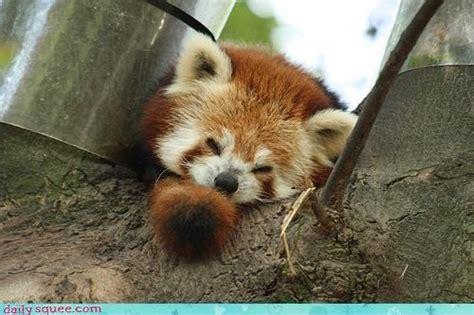
In recent months, a unique yet controversial hotel service offered at the Lehe Ledu Liangjiang Holiday Hotel in Chongqing, China, has captured global attention and sparked significant regulatory intervention. This hotel, which has become a favorite destination for families, featured an extraordinary offering: the red panda wake-up call service, allowing guests to experience the charm of these endangered creatures by waking up to a panda climbing onto their beds. However, this delightful encounter has now been suspended following concerns regarding animal welfare and safety.
The red panda wake-up call service was designed to provide guests with an intimate interaction with one of China’s national treasures. Each morning, a staff member would lead one of the hotel’s four red pandas—reportedly borrowed from a local zoo—into guest rooms. The pandas would wander freely, often perching on beds where guests could pet them and feed them apple chunks. This experience became so popular that many visitors specifically chose to stay at the hotel just to partake in the red panda encounter.

A British couple, Reanne and Ben, who document their travel experiences on their YouTube channel, On Tour With Dridgers, provided a glimpse into the allure of this service. Their video, showcasing a red panda’s playful antics as it climbed trees and eventually made its way onto their bed, went viral. “Oh my gosh, I can’t believe I’ve got a panda on my bed!” exclaimed Reanne, encapsulating the joy that many hoped to experience during their stay.
Animal Welfare and Safety Concerns
Despite the popularity of the red panda wake-up call, significant concerns about the ethical implications of such close interactions began to emerge. Animal rights activists and experts voiced their apprehensions regarding the welfare of the pandas, who are classified as a nationally protected species in China. The hotel assured the public that the animals were well cared for, being vaccinated and monitored by trained professionals. However, critics raised alarms about potential injuries to both guests and the pandas, as well as the stress induced on the animals by forced interactions.
Dr. Sun Quanhui, a scientist with the World Animal Protection organization, highlighted the sensitive nature of red pandas and the detrimental effects that captivity and forced interactions could have on their health and behavior. He emphasized that such experiences could lead to increased stress and potentially dangerous behavioral responses from the animals.
In light of these growing concerns, the Chongqing Forestry Bureau stepped in, calling for the immediate cessation of all activities involving close contact between guests and red pandas. Their decision was driven by worries about the potential harm to the animals and the safety risks posed to visitors. Following this directive, the Lehe Ledu Liangjiang Holiday Hotel announced its compliance, signaling a significant shift in their operational practices.
Regulatory Action and Hotel’s Response
In a statement, hotel representatives reassured that the red pandas had been brought from a zoo and were under the care of trained professionals. They also noted that young children were required to be accompanied by an adult during the wake-up call sessions, aiming to mitigate risks associated with the experience. Nevertheless, these measures failed to alleviate the backlash from animal rights advocates and concerned travelers alike.
While the hotel maintained that they prioritized the welfare of the pandas and had implemented necessary precautions to prevent accidents or health risks, the suspension of the service ignited discussions about the broader implications of wildlife tourism. The incident raises essential questions about the ethics involved in utilizing wild animals, especially endangered species like the red panda, for tourist attractions.
The Ethics of Wildlife Tourism
This controversy surrounding the red panda wake-up call underscores the pressing ethical dilemmas in wildlife tourism. Should wild animals be subjected to human interaction purely for entertainment? While such experiences undoubtedly offer guests unforgettable memories, the cost to the animals’ welfare and natural behaviors cannot be overlooked. Experts argue that exploiting wild animals for tourism undermines conservation efforts, especially when endangered species are involved.
Conservationists warn that activities like these could promote a harmful trend in animal tourism, leading to the breeding and captivity of animals solely for entertainment purposes. The pivotal question remains: do the benefits to tourists justify the potential harm inflicted upon the animals?
Global Reaction and Moving Forward
The decision by the Chongqing Forestry Bureau to suspend the red panda wake-up calls has sparked a worldwide conversation regarding animal rights and ethical tourism practices. Social media platforms, travel blogs, and animal welfare organizations have weighed in on the issue, with opinions divided. Some praised the regulatory action as a necessary step toward animal protection, while others argued that the hotel’s proactive measures were sufficient to ensure animal welfare.
The hotel’s compliance with the authorities has been viewed positively by some, but it also highlights the urgent need for the tourism industry to reevaluate how it approaches wildlife interactions. The ongoing discussion emphasizes the importance of finding a balance between the allure of wildlife tourism and the essential principles of conservation and animal welfare.
Conclusion
The suspension of the red panda wake-up call service at Lehe Ledu Liangjiang Holiday Hotel serves as a crucial reminder that the appeal of wildlife tourism must not come at the expense of animal welfare, particularly for endangered species. As the tourism sector continues to grow, there is an undeniable necessity for stricter regulations and ethical considerations surrounding wildlife interactions. The incident in Chongqing urges both the industry and consumers to be mindful of the impact of their choices on the natural world and the creatures inhabiting it. It is imperative that we collectively strive for sustainable tourism practices that respect and prioritize the welfare of wildlife.