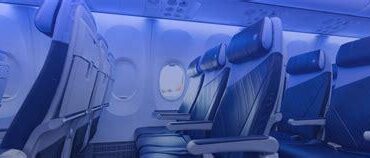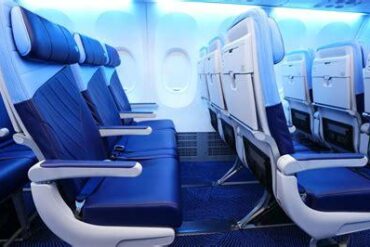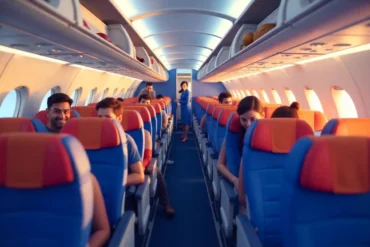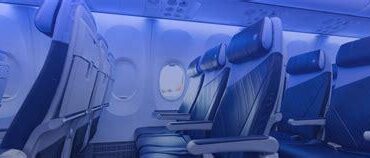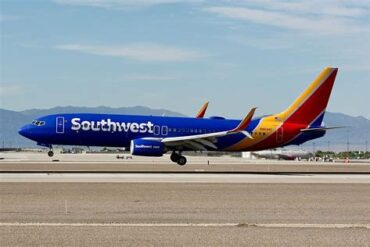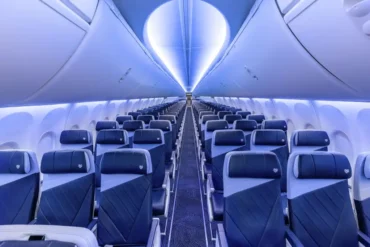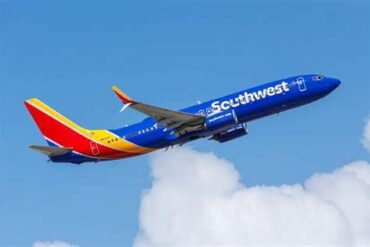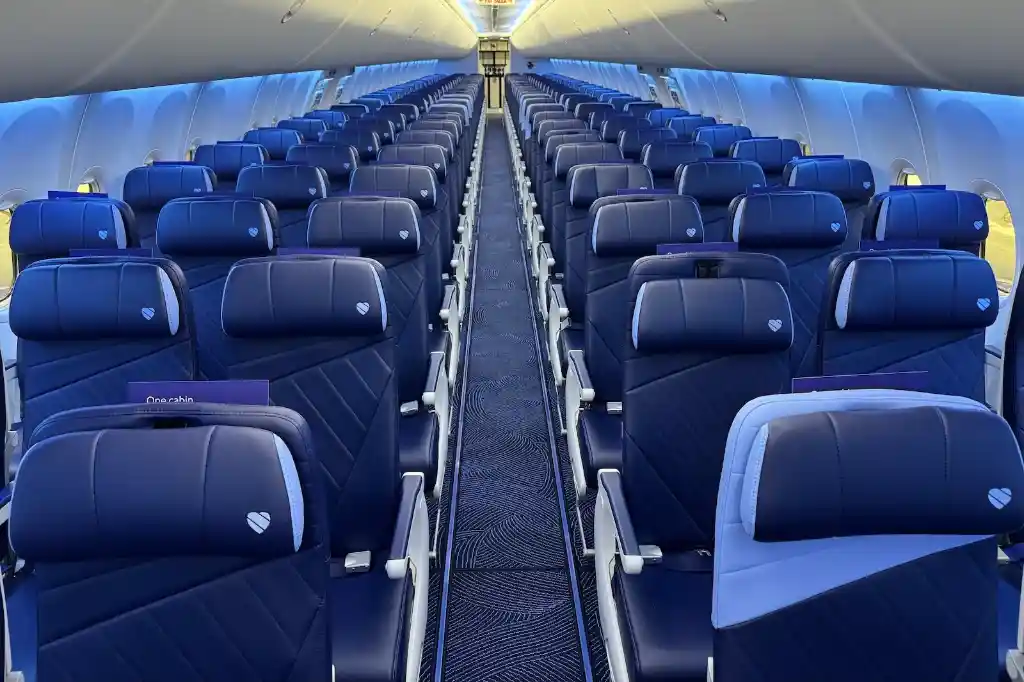
Southwest Airlines has spent decades turning boarding into a ritual of speed, informality, and gentle chaos. That identity cracked this week as the carrier rolled out assigned seating, a structural shift that replaces its iconic open seating policy with preselected seats tied to new fare bundles. The debut has been anything but quiet, triggering sharp reactions from passengers who suddenly found themselves navigating a system that feels both familiar and strangely foreign.
Introduced on January 27, the policy allows customers to choose seats in advance depending on the fare they purchase, ranging from Basic to Choice Extra. The promise is simple: certainty. No more racing the clock to check in, no more jockeying for aisle or window supremacy. Yet the early days revealed friction points that cut against that promise, particularly when seat assignments changed late in the process, sometimes only hours before boarding.
Social media filled quickly with firsthand accounts. Families described being split up after booking seats together. Solo travelers who paid premiums for specific rows reported reassignments that felt arbitrary. Gate areas remained crowded, overhead bin anxiety lingered, and the calm many expected did not always materialize. At the same time, other passengers described smoother boarding flows and a quieter cabin, arguing that the turbulence was less about seats and more about adjustment.
A Cultural Shift in the Cabin Experience
The emotional response says as much about culture as it does about logistics. Open seating was never just a process; it was a statement. It rewarded attentiveness, encouraged light negotiation, and reinforced Southwest’s reputation as the airline that did things differently. Assigned seating, by contrast, imports expectations from legacy carriers, and with them, less flexibility once the cabin door closes.
Several passengers praised the clarity of knowing exactly where they would sit before arriving at the airport. For frequent flyers juggling tight connections, that certainty reduced stress and made boarding groups feel purposeful rather than performative. Flight attendants also reported fewer disputes over claimed seats, even as they enforced stricter rules about remaining in assigned rows, sometimes frustrating travelers hoping to move away from coughing neighbors or empty aisles.
Boarding Groups, Fare Bundles, and New Hierarchies
Under the new structure, Southwest now uses eight boarding groups, determined by fare type and Rapid Rewards status. The hierarchy is explicit. Higher-paying customers board earlier, choose better seats, and enjoy priority access to overhead bins. For investors, the logic is clear: monetization replaces egalitarianism, and revenue predictability improves.
Passengers, however, are still mapping these new hierarchies in real time. Confusion around last-minute seat changes has been partially blamed on system glitches, but perception matters. When travelers pay hundreds extra for a particular seat, reassignment erodes trust quickly. Even isolated incidents resonate loudly when they contradict the core value proposition being sold.
Gate Behavior and the Myth of Order
One of the selling points of assigned seating is the removal of competition. In theory, if your seat is secured, the gate should calm down. Early evidence suggests otherwise. Travelers in later boarding groups still crowd the podium, driven by the enduring fear of limited bin space. Old habits, it turns out, are harder to break than policies.
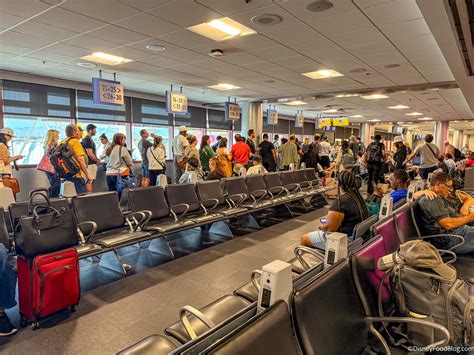
That persistence raises a subtle question. Is boarding chaos a design flaw, or a human constant? Airlines can script processes, but passengers bring psychology, urgency, and carry-ons. Assigned seating solves one variable while leaving others untouched, which explains why the experience feels only partially transformed.
Identity at a Crossroads
The backlash is not purely operational. Critics argue that Southwest is shedding the traits that made it distinctive. The airline has already eliminated its long-standing two free checked bags policy, replacing it with fare-based allowances and ancillary fees. Assigned seating completes a pivot toward industry norms, prompting fears of brand dilution.
Supporters counter that evolution is survival. Rising costs, competitive pressure, and shareholder expectations demand change. The stock market’s positive response underscores that perspective, even as loyalists worry about losing the simplicity and transparency they once cherished.
What Comes Next for Southwest Passengers
The coming months will be decisive. As systems stabilize and passengers adapt, complaints may soften. Clearer communication, more reliable seat retention, and thoughtful handling of families could convert skeptics into cautious supporters. Assigned seating is not inherently flawed, but its success depends on execution that honors the trust Southwest has built over decades.
For now, the cabin remains divided. Some see order replacing chaos; others see personality draining away. Both reactions are valid, and together they capture a rare moment when an airline’s operational change becomes a referendum on identity itself.
How Southwest balances efficiency, loyalty, and fairness will determine whether this gamble reshapes aviation expectations or quietly backfires industry.