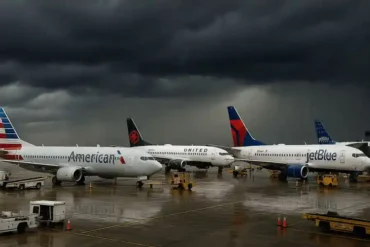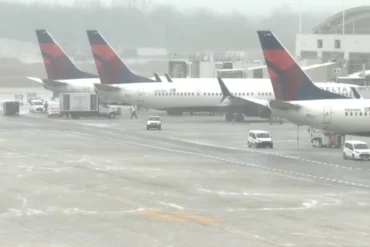
On July 2, 2025, severe thunderstorms carved a path of disruption through America’s busiest air corridors, unleashing torrential rain, lightning strikes, and dangerous turbulence that forced the Federal Aviation Administration to implement widespread ground stops and gate holds. By day’s end, a staggering 1,677 flights were cancelled and 6,174 delayed, creating a domino effect of stranded passengers, overloaded terminals, and frantic airline operations teams scrambling to reposition aircraft and crews. Major carriers—including Southwest, Delta, United, JetBlue, American, AeroMéxico, Air Canada, Alaska, Frontier, and WestJet—found their finely tuned summer schedules thrown into disarray as more than 30 U.S. airports reported significant service breakdowns.
Meteorological Mayhem Unleashes National Airspace Gridlock
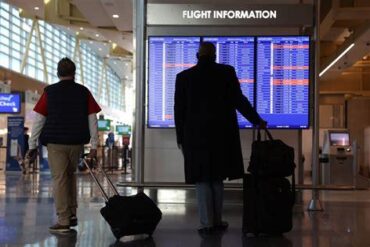
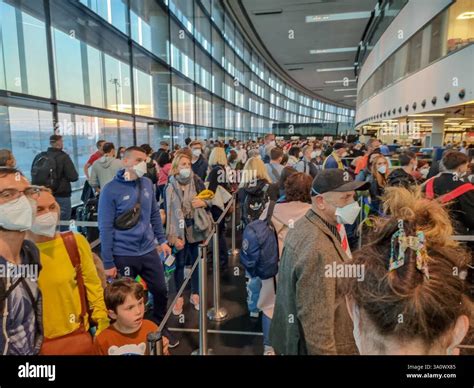
The storm system that roared across the continental U.S. began as scattered convective cells in the Midwest before coalescing into fast‑moving supercells extending from Texas to New England. Heavy downpours and microbursts triggered FAA safety protocols, shutting down runways at peak travel hours and prompting pilots to hold aircraft at gates until lightning activity subsided. The result was an unprecedented level of airspace congestion, as thousands of passengers found themselves in packed concourses, frantically checking departure boards and waiting in long rebooking lines. Airlines activated weather waivers, offering free changes and refunds, yet the full summer schedules left little wiggle room for re‑accommodation.
Airline Operations Strained to Breaking Point
Delta Air Lines, whose primary hubs in Atlanta and Detroit were directly under the storm’s path, logged more than 300 delays and 60 cancellations as midday lightning forced repeated ground stops. Southwest, operating high‑volume domestic routes out of LaGuardia, Fort Lauderdale, and Reagan National, recorded nearly 400 delays. JetBlue weathered over 150 cancellations and more than 200 delays at JFK, Fort Lauderdale, and Boston. United’s Chicago O’Hare, Denver, and Newark hubs saw more than 250 delays and dozens of cancellations. American Airlines faced roughly 300 disruptions through Dallas–Fort Worth and Charlotte. Air Canada, AeroMéxico, Alaska Airlines, Frontier, and WestJet recorded multiple disruptions at key international gateways such as Los Angeles and JFK, as inbound aircraft from abroad encountered cascading delays. These figures reflect carriers’ struggles to maintain connectivity in a network built on tight turnaround windows and one‑pilot‑away crew schedules.
Charlotte Douglas: Epicenter of East Coast Disruption
Charlotte Douglas International Airport endured one of the harshest impacts, with 383 delays and 59 cancellations primarily affecting American Airlines and its regional partners PSA and Piedmont. Convective thunderstorms grounded short‑haul flights, leaving travelers stranded in jam‑packed gate areas. Rebooking counters overflowed as passengers attempted to reroute flights to New York, Florida, and the Midwest. Crew availability became a critical issue: delayed inbound legs meant pilots and flight attendants could not make scheduled outbound departures, compounding the backlog well into the evening.
JFK’s Transcontinental and International Gridlock
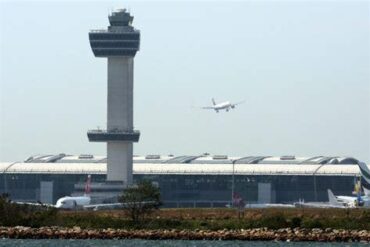
John F. Kennedy International experienced 265 delays and 156 cancellations as the storm system passed directly overhead. JetBlue transcontinental services to Los Angeles and Caribbean routes were hardest hit, while Delta faced rolling ground holds. International carriers such as British Airways, Lufthansa, and Emirates were forced to hold or reroute long‑haul flights bound for Europe, Africa, and Asia. Stranded transit passengers swelled terminal crowds, creating safety concerns and massive queues at customer service desks.
Atlanta’s Delta Hub Overwhelmed by Lightning‑Driven Ground Stops
At Hartsfield‑Jackson Atlanta, the world’s busiest airport, 409 delays and 76 cancellations underscored the vulnerability of a highly concentrated hub‑and‑spoke network. Afternoon lightning triggered multiple ground stops lasting up to an hour, halting departures and arrivals mid‑operation. Connecting passengers missed onward flights in cities across the Southeast and Midwest, while repositioning aircraft for late‑night routes became a logistical nightmare.
Dallas–Fort Worth’s Thunderstorm Turbulence and Operational Bottlenecks
Dallas–Fort Worth tallied 367 delays and 25 cancellations, as Texas‑sized thunderstorms unleashed sudden wind gusts and flying debris that forced temporary ground halts. American Airlines’ domestic and Latin American departures were the most affected, with gate assignments and runway availability becoming severe bottlenecks. Late‑night flights were scrubbed altogether, leaving travelers to secure scarce hotel rooms in peak summer demand.
LaGuardia’s Compact Layout Exacerbates Delays and Cancellations
LaGuardia’s tight tarmac and limited taxiways magnified the storm’s effects, resulting in 288 delays and a record 254 cancellations. Regional carriers Republic, Endeavor, and JetBlue bore the brunt, as visibility issues and runway congestion forced aircraft to queue for departure clearance. Long waits for boarding and deplaning fueled passenger frustration, with social feeds flooded by images of jammed concourses.
West Coast Ripples: LAX and Beyond
Although less storm‑hit than eastern hubs, Los Angeles International saw 193 delays and 18 cancellations as inbound flights from New York, Atlanta, and Dallas arrived late. American and JetBlue struggled with compressed turnaround schedules, while international carriers like Japan Airlines and Air France reported extended gate holds. Travelers on evening departures to Asia and Europe confronted last‑minute schedule changes well past midnight.
Newark, Reagan National, Boston and Other Key Nodes
Newark Liberty’s 306 delays and 141 cancellations primarily disrupted United’s network, affecting both domestic connectors and transatlantic widebodies. Reagan National matched 237 cancellations to 237 delays, crippling PSA, Republic, and American’s Eastern seaboard shuttle routes. Boston Logan endured 252 delays and 89 cancellations, stranding families bound for summer holidays. Detroit Metro saw 117 delays and 23 cancellations, echoing the Midwest’s ripple effect. Philadelphia’s 207 delays and 141 cancellations reflected knock‑on effects from earlier Charlotte and D.C. storms.
Secondary Hubs and Regional Carriers Struggle for Recovery
Smaller airports such as Fort Lauderdale (108/21), Phoenix (152/9), Nashville (162/24), Indianapolis (61/23), Pittsburgh (43/25), Orlando (166/23), Denver (248/8), Tampa (97/18), and Dulles (244/98) experienced varying levels of delays and cancellations. Regional carriers Republic, Endeavor, PSA, and GoJet accounted for over 80% of short‑haul disruptions, while international operators Lufthansa, British Airways, Qatar Airways, Japan Airlines, Emirates, and Etihad faced scattered delays on connecting legs.
Passengers in Limbo: Tarmac Holds, Baggage Mishandling, and Waiver Frustrations
Thousands of flyers reported overnight tarmac holds lasting hours, mishandled luggage, and inconsistent communications as airlines grappled with system‑wide overload. Weather waivers promised fee‑free changes, but many summer‑sold‑out flights offered no immediate alternatives. Social media buzzed with pleas for assistance and photos of crowded customer service lines stretching across concourses.
Forecast and Flight‑Planning Advice
Meteorologists predict the storm complex will persist across the Midwest and East Coast for the next 24–48 hours, with additional flow‑control advisories from the FAA. Airlines are proactively adjusting schedules, canceling high‑risk sectors in advance, and urging passengers to check status updates frequently, sign up for text alerts, and arrive at airports early to navigate potential security and rebooking delays.
In the wake of this unprecedented weather‑driven upheaval, the U.S. aviation industry faces a critical test of resilience as it works to restore normalized operations during the peak summer travel season. Airlines, airports, and regulators must collaborate closely to mitigate cascading delays, optimize crew deployments, and maintain clear communication with millions of travelers awaiting their next flight.