The Airbus A380 continues to command attention in the global aviation landscape, particularly when it comes to long-haul travel to Australia. In 2026, the superjumbo retains its dominance on a dozen vital routes, flown by five major airlines, highlighting the aircraft’s ongoing relevance in bridging continents to the isolated southern landmass. With over 5,500 roundtrips scheduled across Sydney, Melbourne, Brisbane, and Perth, the A380’s footprint across Australian skies remains immense.
Emirates and Qantas Lead the Charge
Emirates and Qantas, the two most prolific A380 operators in Australia, account for the majority of superjumbo movements in 2026. Emirates, the world’s largest A380 operator, is unparalleled in reach and frequency. With four Australian airports on its roster—Sydney, Melbourne, Brisbane, and Perth—and over 2,920 A380 flights scheduled this year alone, Emirates remains the backbone of A380 operations to Australia.
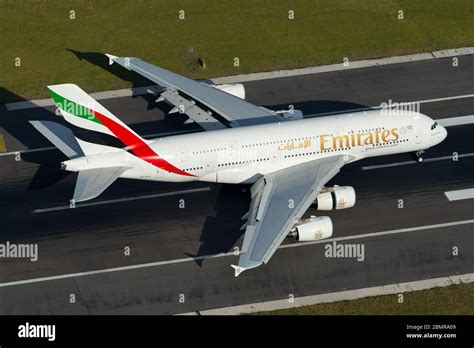
Sydney, Australia’s busiest and most internationally connected airport, is Emirates’ crown jewel. From here, the airline operates three daily nonstops to Dubai, alongside a unique daily fifth-freedom service to Christchurch, which also originates in Dubai. Melbourne benefits from twice-daily A380 flights to the UAE, while both Brisbane and Perth enjoy daily superjumbo service to the Middle East.
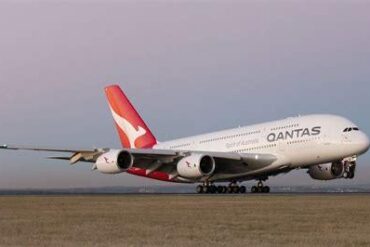
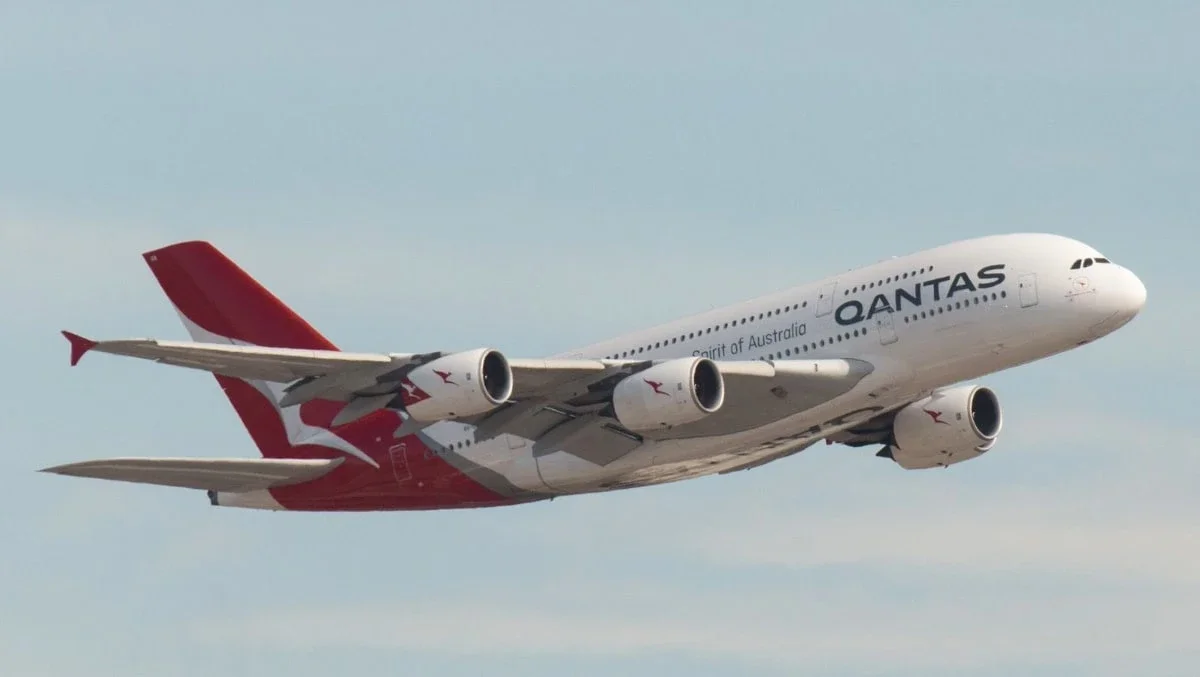
Meanwhile, Qantas maintains a robust A380 presence on several long-haul city pairs. Its flagship route between Sydney and Los Angeles continues with daily operations, joined by services from Melbourne to Los Angeles, Sydney to Dallas/Fort Worth, Johannesburg, and Singapore. In total, Qantas plans more than 1,480 A380 one-way flights across its five active routes this year.
Singapore Airlines, Qatar Airways, and Asiana: Niche but Notable
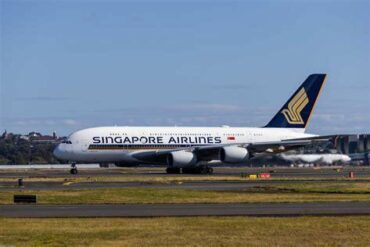
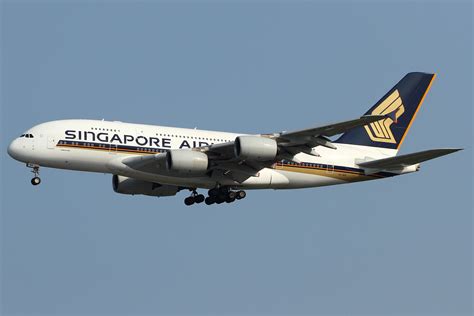
Beyond the giants, Singapore Airlines, Qatar Airways, and Asiana Airlines provide a significant yet more specialized A380 offering. Singapore Airlines continues to emphasize the high-traffic Sydney–Singapore route with an impressive two daily A380 flights, competing directly with Qantas. This makes the SYD-SIN route the only one in Australia where multiple airlines deploy the A380 simultaneously.
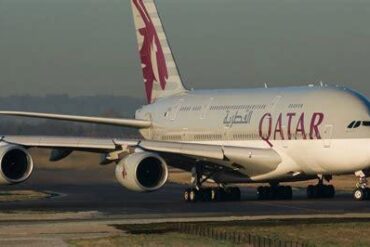
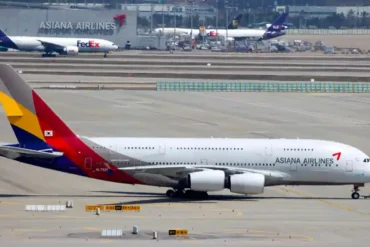
Qatar Airways connects Sydney and Doha daily, leveraging the A380’s ample capacity to serve Australia’s luxury and business travel segment. Asiana, while operating fewer overall flights, adds to the diversity with a daily seasonal service from Seoul-Incheon to Sydney between January and March.
A Glance Back: Previous A380 Operators To Australia
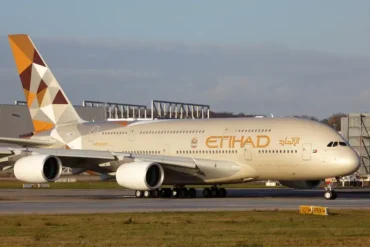
The A380’s presence in Australia hasn’t always looked the same. Several high-profile airlines have withdrawn their superjumbos from Australian routes in recent years. Etihad Airways, for example, ceased A380 flights to Australia after nearly a decade, replacing them with Airbus A350s and Boeing 787-9s. By early 2026, its Abu Dhabi–Sydney route is expected to be exclusively operated by the A350.
Similarly, Korean Air no longer flies its A380 to Sydney, though its soon-to-be partner Asiana has stepped into that gap. China Southern Airlines and Malaysia Airlines also discontinued their respective A380 services to Sydney, with the latter retiring its entire A380 fleet in 2022.
These departures underline the shifting priorities of global carriers and the challenges of operating such a massive aircraft. Yet, Australia remains one of the few global markets where the A380 continues to make commercial sense.
The Infrastructure Edge: Why Australia Still Embraces the A380
Australia’s continued embrace of the A380 is rooted in both geographic necessity and infrastructure readiness. Positioned far from most global economic hubs, Australia demands aircraft capable of covering long distances with high seat density. The A380’s ultra-long range and seating for over 450 passengers make it ideal for these missions.
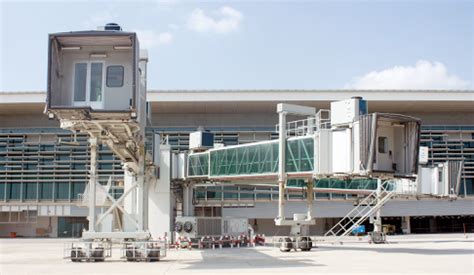
Crucially, Sydney, Melbourne, Brisbane, and Perth are all equipped with Code F-rated runways, expanded gate areas, and dual-level boarding bridges, enabling them to support high-frequency A380 operations with efficiency. These facilities ensure smooth passenger movement and allow airlines to maximize turnaround times despite the aircraft’s size.
Longest and Most Frequent: Australia’s Superjumbo Standouts
The longest A380 route to Australia in 2026 is Qantas’ Sydney–Dallas/Fort Worth service. At 7,460 nautical miles (13,815 kilometers), it ranks as the second-longest A380 route worldwide, surpassed only by Emirates’ Dubai–Auckland service. This ultra-long-haul link underscores the A380’s role in connecting Australia to the Americas without stopovers.
In terms of frequency, the Sydney–Dubai and Sydney–Singapore routes dominate. Both see three A380 flights per day, offering premium travelers and tourists alike multiple scheduling options and an abundance of seats. Such capacity also helps drive down seat costs, making these routes attractive for both leisure and business segments.
Slight Decline, But Not a Downturn
According to data from Cirium, Australia is expected to see a 5% reduction in A380 flights in 2026 compared to the previous year. While this may appear significant, the decline is likely influenced by seasonal scheduling adjustments, fleet rotations, and a growing emphasis on fuel-efficient next-generation aircraft.
Still, with over 5,500 A380 roundtrips scheduled, the superjumbo remains deeply entrenched in Australia’s international aviation framework. The A380 continues to be synonymous with flagship routes, premium cabin experiences, and high-capacity air travel across vast distances.
Outlook: The Future of the A380 in Australia
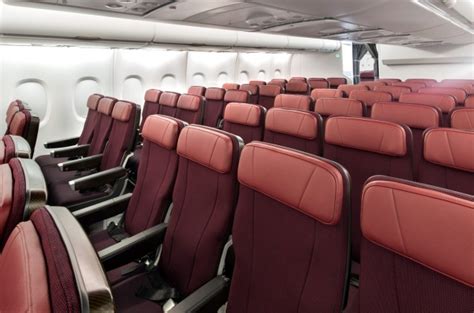
Despite broader industry trends moving toward twin-engine efficiency and smaller widebodies, the A380 is not disappearing from Australian skies anytime soon. Emirates and Qantas, with their strategic use of the aircraft, signal a commitment to maintaining capacity and product differentiation on long-haul flights.
For Australia, the A380 is more than just an aircraft—it’s a vital connector. Whether it’s the Pacific Rim, Middle East, Africa, or Europe, the A380 offers a blend of range, comfort, and capacity that few aircraft can match. As long as airports continue to support its unique requirements and market demand justifies its deployment, the Superjumbo Down Under will keep soaring across the skies of the southern hemisphere.