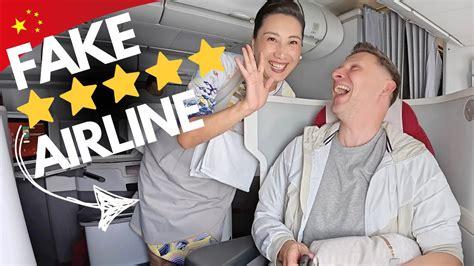
Hainan Airlines: A Closer Look at the Five-Star Illusion
In an era where airline ratings are often trusted as gospel by travelers, Hainan Airlines has gained notoriety by branding itself as a “five-star airline” and a member of the elusive “Top 10 Airlines in the World” club. But how much truth lies behind the glossy accolades? This investigative report, inspired by aviation journalist Josh Cahill, unpacks the facade, evaluating Hainan’s real-world service, product quality, and the shadowy practices of the rating agency that allegedly helps sustain its reputation.
The Claim: Top 10 in the World
Hainan Airlines promotes itself alongside industry titans like Singapore Airlines, Qatar Airways, Emirates, and Cathay Pacific. These carriers are known for unmatched service, innovative cabin design, and luxurious onboard experiences. Hainan, by contrast, offers an inconsistent product that falls short of these benchmarks in multiple areas.
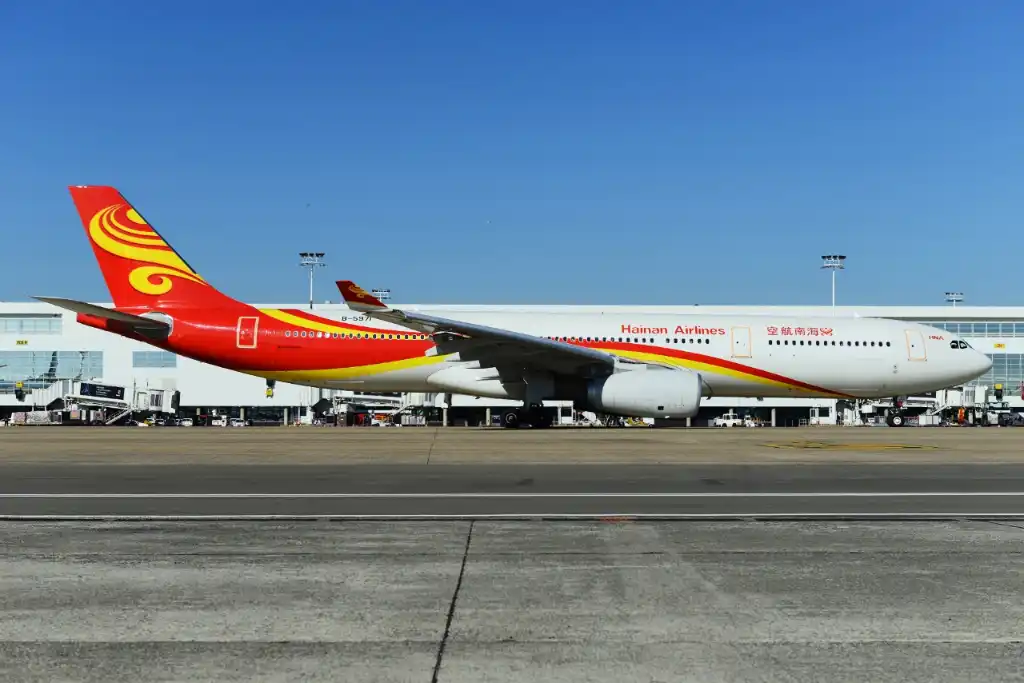
A key reason behind Hainan’s five-star claim lies not in exceptional service, but in its affiliation with Skytrax—a rating agency Cahill accuses of selling prestige rather than awarding it based on merit. Allegedly, any airline willing to pay for Skytrax’s branding package and implement minor changes (like adding an amenity kit to economy class) can achieve five-star status over a couple of years.
Check-In & Lounge: A Modest Start
Our journey begins at Prague Airport, one of the few gateways in Europe still served by Hainan Airlines. The airline operates thrice weekly between Prague and Beijing. Yet, for a brand claiming elite status, the check-in experience was dismal. Staff were unaware of which lounge passengers could access, failing the first test of a premium airline.
Passengers holding business class tickets are directed to the Mastercard Lounge, which, though not operated by Hainan, offered a clean, modern space with solid food options, drinks, and tarmac views. While the lounge was above average, this strength was external, not attributable to Hainan’s own investments.
Exposing the Skytrax Controversy
Josh Cahill recalls a conversation with a former Hainan and Hong Kong Airlines CMO who detailed how the Skytrax system works. Airlines are said to purchase a branding package, pay substantial fees, and receive generalized advice. After following this roadmap for two to three years, they are then awarded five-star status—regardless of actual service standards.
Adding fuel to the fire, Czech Airlines—which ceased operations in 2024—was listed as a top 10 regional airline in 2025 by Skytrax. Further evidence from a former Skytrax employee alleges that the organization invests in removing critical content from Wikipedia, raising serious questions about the credibility of its awards.
Skytrax’s legitimacy has long been contested by aviation experts, but this case offers one of the clearest illustrations of how money may dictate rankings. The organization’s association with aviation influencer Sam Chui as a brand ambassador further blurs the lines between marketing and independent assessment.
Business Class: A Product That Doesn’t Deliver
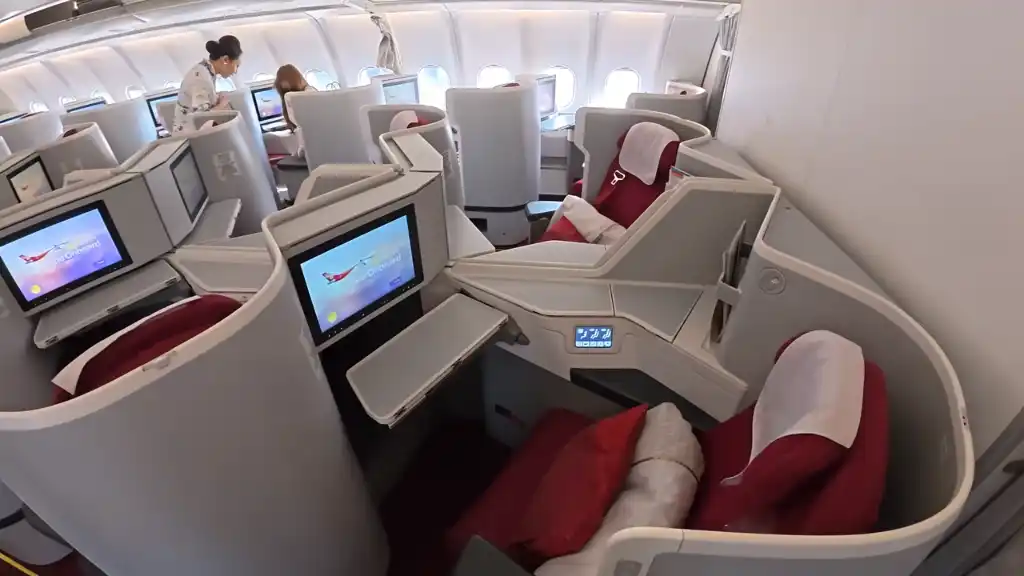
The flight to Beijing was operated on a relatively young Airbus A330-300, fitted with 28 reverse herringbone seats—a layout that is modern but no longer exceptional. The business class seat configuration is functional, but lacks innovation, polish, or competitive edge when stacked against leading Asian carriers.
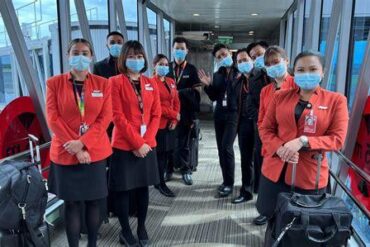
While the crew were warm and courteous, offering a genuine hospitality touch, this alone could not elevate the overall experience. The bedding (mattress pad, plush duvet, and pillow) was notably high-quality, but the absence of consistency across other elements severely diluted the premium promise.
Catering Catastrophe: The Economy Meal for Business Class Passengers
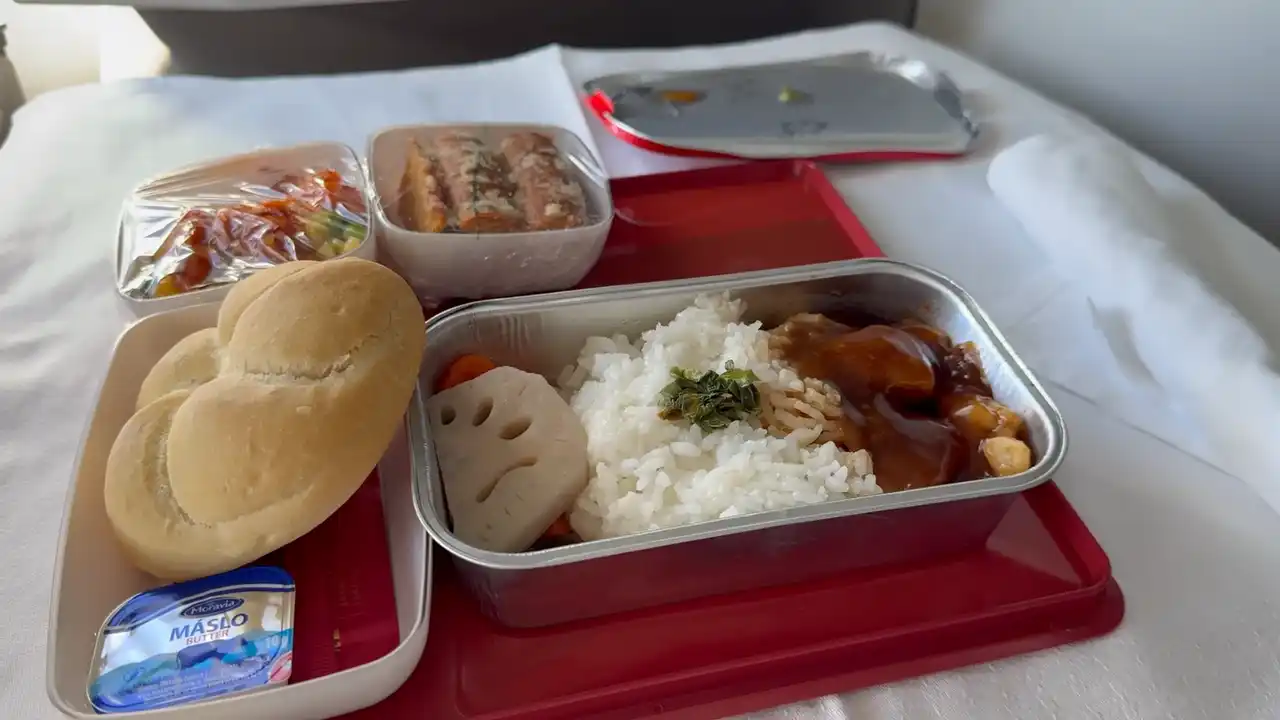
Perhaps the most egregious failing was in the catering department. Cahill, who upgraded at the airport, was shocked to receive economy class meals in business class—without any starters, bread basket, or signature offerings. Even for upgraded passengers, Hainan did not provide the appropriate meal service.
Breakfast, too, consisted of economy fare, calling into question the airline’s ability—or willingness—to maintain service consistency for all premium passengers. This experience earned Hainan a dismal one-star rating for upgraded passenger handling and a mediocre three stars for food quality.
Lavatories and IFE: A Reality Check
Despite being onboard a modern aircraft, the lavatories were outdated, minimally stocked, and in some cases, unclean. Basic amenities such as toothbrushes were missing—a stark contrast to what travelers expect from five-star carriers.
The in-flight entertainment (IFE) offered quality headphones but lacked both content variety and internet connectivity. In 2025, the absence of Wi-Fi on a flagship route is unacceptable. With limited movies and no streaming options, Hainan fell well short of global IFE standards.
Transit in Beijing: Surprisingly Smooth
Upon arrival at Beijing Capital Airport Terminal 2, the transit process was unexpectedly efficient. Unlike many Chinese airports where transit can involve immigration and baggage recheck, this connection resembled international hubs like Singapore or Doha—smooth and uncomplicated. Within 45 minutes, passengers could be on their next leg.
The goodwill of the crew was once again on display, as the cabin manager offered a commemorative gift to Cahill, a gesture that reinforced the airline’s strength in human interaction, if not infrastructure or product.
The Second Flight: Economy to Bangkok
The next leg to Bangkok was operated on a Boeing 737-800, part of Hainan’s backbone fleet, soon to be replaced by the COMAC C919. The experience in economy was average: passengers were greeted with a bottle of water, and legroom was tight but manageable. Unfortunately, the flight lacked in-seat entertainment and featured only one basic meal, making it feel closer to a budget airline experience.
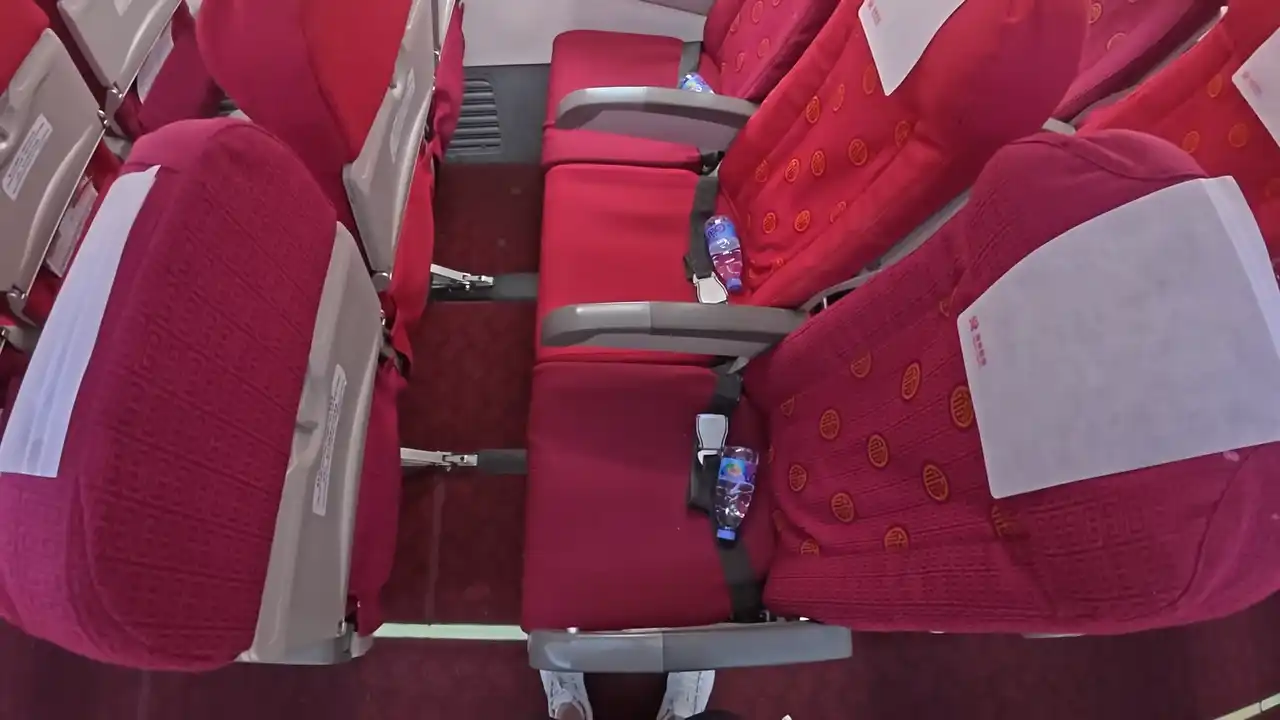
Despite the cabin crew’s professionalism, the narrow seat pitch and absence of amenities underscored the disparity between brand promises and actual delivery. Cahill recommends avoiding Hainan’s 737 service, particularly for medium-haul routes.
The Final Verdict: A Paid Illusion of Prestige
So, is Hainan Airlines truly a five-star airline? The answer, grounded in firsthand observation and industry insight, is a firm no. At best, Hainan ranks as a three to four-star airline, bolstered by its commendable crew but severely undermined by outdated cabins, lackluster food, subpar amenities, and inconsistent premium service.
The broader concern is not just with Hainan, but with Skytrax’s integrity. If top-tier ratings can be bought, the entire airline ranking system becomes a marketing sham, misleading millions of travelers who rely on these evaluations.
This exposé not only demystifies one airline’s questionable credentials but also serves as a wake-up call to scrutinize the transparency and accountability of industry gatekeepers. Consumers deserve better than inflated illusions sold as excellence.
Conclusion: The Need for Trustworthy Evaluation
While Hainan Airlines may continue to brand itself as five-star, the inconsistencies in experience, particularly in business class, raise red flags. From economy meals in premium cabins to outdated inflight systems, the airline’s offerings are simply not in line with global top-tier standards.
As travelers become savvier and more informed, the industry must confront the ethical questions surrounding pay-to-play accolades. Transparency, performance-based evaluations, and honest service benchmarking must replace monetized recognition schemes if consumer trust is to be restored.
For now, Hainan Airlines remains a cautionary tale of how easily perception can eclipse reality in the aviation industry.