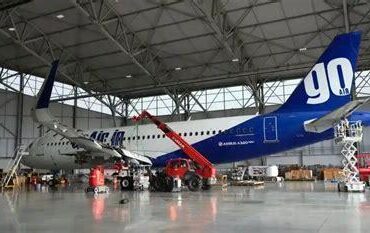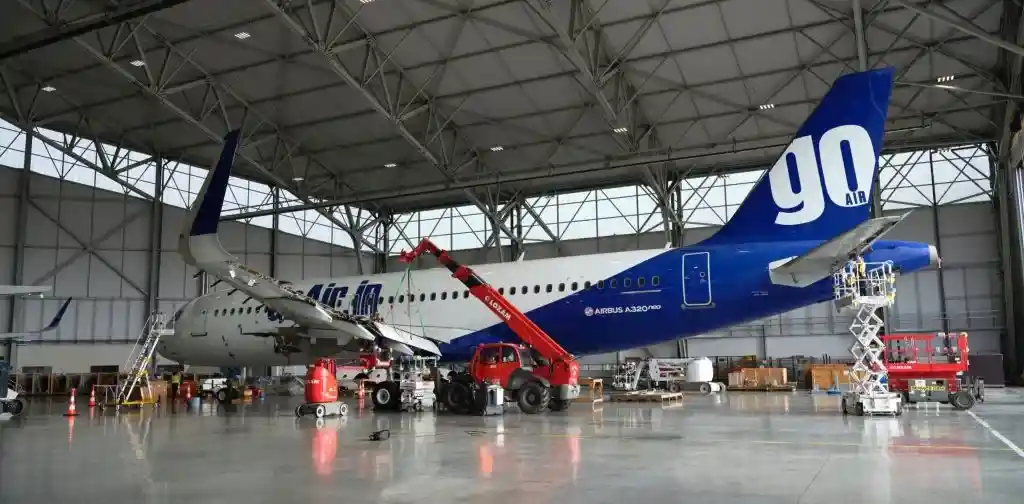
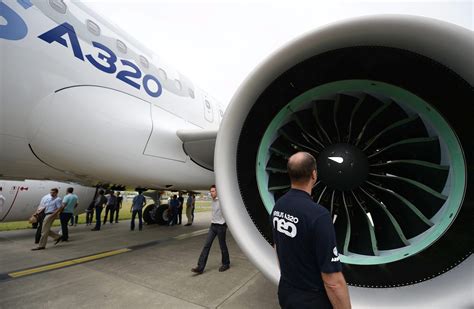
In a world where air travel is surging back to pre-pandemic levels, and airlines are scrambling to scale operations, it seems inconceivable that some of the most technologically advanced Airbus jets—mere infants in aviation years—are being scrapped and dismantled. Yet, this is precisely the reality unfolding behind hangar doors and at airfields worldwide. Fully functional, near-new Airbus A320neo aircraft are being reduced to salvageable parts, not due to mechanical failure or obsolescence, but driven by an economic imbalance no one anticipated.
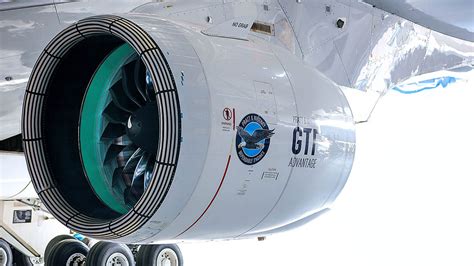
This isn’t an isolated quirk or a curious anecdote of aviation oddity. Instead, it’s the manifestation of a complex web of global supply chain bottlenecks, lease economics, and a stark imbalance between supply and demand that has transformed jet engines—especially the Pratt & Whitney GTF (Geared Turbofan)—into gold-standard commodities.
The Jet Engine Bottleneck Behind the Cannibalization
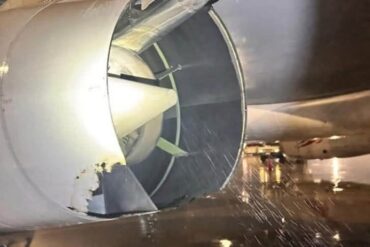
At the heart of this aviation anomaly lies a profound crisis: the severe shortage of Pratt & Whitney GTF engines, which power a large portion of the Airbus A320neo fleet. Originally heralded as a leap forward in fuel efficiency and emissions reduction, these engines have now become the weakest link in Airbus’s modern aviation chain. Multiple intertwined issues have led to this shortfall:
- Supply chain disruptions that began during the pandemic have lingered, with critical engine components still backlogged.
- Labor shortages and union strikes at manufacturing plants have stifled production timelines.
- Lengthy turnaround times for engine maintenance and repairs have compounded the shortage, leaving engines in shop for months.
As a result, airlines operating these GTF-powered A320neos are facing a grim reality: more than 30% of the global GTF fleet is grounded. When an aircraft is grounded, it becomes a financial liability instead of an asset. And when engines alone are fetching up to $20 million on the open market, there is a strong economic incentive to part out entire aircraft.
How Leasing Economics Fuel the Scrapping Trend
To understand why these new jets are being scrapped, we must delve into the business model of aircraft leasing. In the modern aviation landscape, approximately 40% of all commercial aircraft are leased rather than owned outright by airlines. This leasing structure introduces a different incentive structure.
Leasing companies, unlike airlines, are not focused on operating the aircraft—they’re focused on return on investment. When the airframe itself is less valuable than its components, particularly its engines, leasing firms act decisively. The data tells a blunt story:
- A single GTF engine can be leased for $200,000 per month.
- Entire airframes, without functioning engines, often sit idle, costing money to store and depreciate.
- Avionics, landing gear, and wing components also hold high resale and lease value.
So when faced with a demand crunch and years-long delays for new engine deliveries, the economic logic is irresistible: dismantle the plane and monetize its parts.
A Market Distorted by Supply Chain and Demand Chaos
This unprecedented move to cannibalize modern aircraft is a direct reflection of the post-pandemic boom in travel demand coupled with systemic limitations in aviation supply chains. The pandemic had already brought aircraft deliveries to a near standstill. Now, with passenger traffic surging, airlines face a perfect storm:
- A dearth of new aircraft deliveries, especially narrow-body, single-aisle jets like the A320neo.
- Flight crew shortages and air traffic infrastructure issues, stretching global airline operations.
- Maintenance bottlenecks, with long backlogs at engine repair shops.
With airlines and lessors stuck in this paradoxical loop, the value of ready-to-go engine spares has soared, dwarfing the practical worth of entire airframes.
The Impact on Airlines and Operational Strategy
For airlines, this creates a complicated operational and financial equation. Carriers that depend heavily on the A320neo are often forced to:
- Reroute flight schedules, resulting in cancellations or lower frequency on high-demand routes.
- Retain or recommission older aircraft, which are less fuel-efficient and more costly to operate.
- Lease engines at exorbitant rates, further straining margins.
The ripple effects extend beyond finances. Reliability, customer satisfaction, and environmental commitments are all impacted. For airlines seeking to hit carbon reduction goals by deploying next-generation jets, this engine shortfall represents a significant regression in fleet modernization efforts.
Pratt & Whitney’s Long Road to Recovery
Despite global pressure, Pratt & Whitney has admitted it could take years to resolve the engine bottleneck. The company is scaling up production and investing in additional capacity, but challenges remain steep:
- Many engine components require specialized raw materials like titanium alloys and ceramic composites, which are still in global shortage.
- The intricate engineering tolerances of GTF engines mean even minor defects can delay production.
- Repair facilities are overwhelmed, dealing with both standard maintenance and warranty-related fixes.
This means that the aviation industry’s recovery—already fragile—must be done under the constraints of limited engine availability, with no clear end date in sight.
The Environmental and Policy Dilemma
There is also a less-discussed but significant implication of scrapping new jets: environmental sustainability. Aviation has committed to decarbonization, with next-gen aircraft playing a vital role. Dismantling these jets, instead of operating them as efficient replacements for older models, is a net environmental loss.
Moreover, this raises questions about industrial resilience and government policy. Should regulators step in to incentivize engine production? Should there be more strategic stockpiling or sourcing alternatives to reduce dependency on a few engine suppliers? These are thorny strategic debates that global aviation bodies must urgently confront.
Looking Ahead: What’s Next for Airbus and the Industry?
Airbus itself remains in a complex position. While the manufacturer continues to deliver aircraft, its customers are caught between soaring demand and grounded assets. Airbus has expressed frustration with the situation, pushing suppliers like Pratt & Whitney and CFM International (for LEAP engines) to ramp up.
There is no doubt that new delivery schedules are being reshuffled, and aftermarket parts pricing is climbing. Some lessors are now evaluating whether future lease terms should include engine guarantees or flexible swap programs. In the meantime, more aircraft could be sacrificed—not because they failed, but because they are too valuable to sit idle.
Conclusion: A High-Tech Paradox
The scrapping of nearly new Airbus jets serves as a stark metaphor for the contradictions of our globalized, just-in-time world. Advanced aircraft, engineered to fly for decades, are being harvested like spare parts from a machine shop. It is a startling glimpse into how economic forces and industrial vulnerabilities can conspire to undo decades of technological progress, even if only temporarily.
As the industry watches this paradox play out, one thing remains certain: until the supply of next-gen engines stabilizes, the skies will remain a little quieter—and hangars a little fuller.