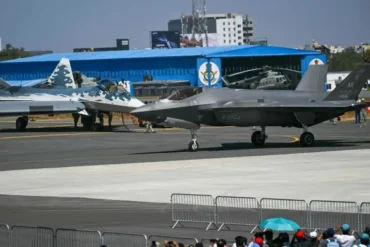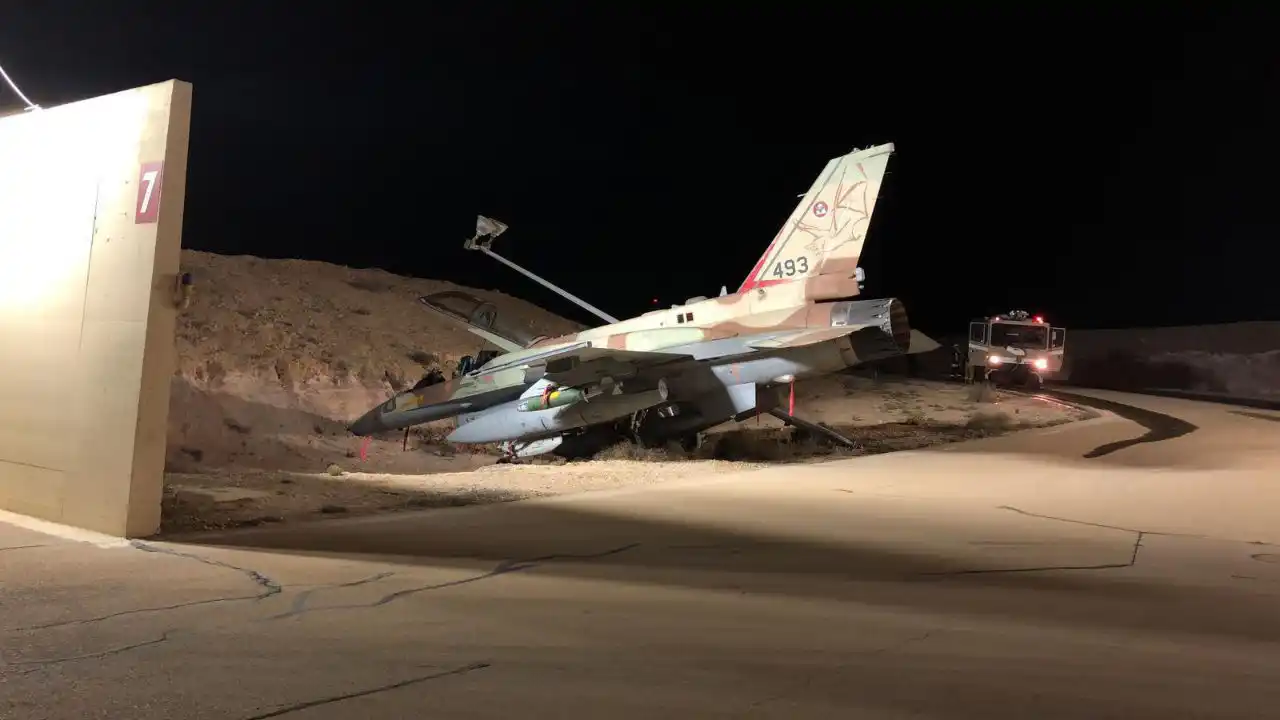
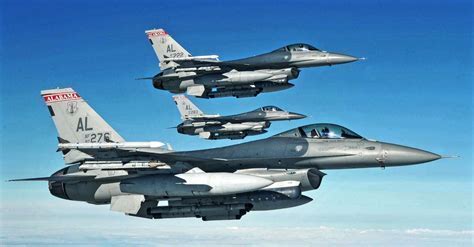
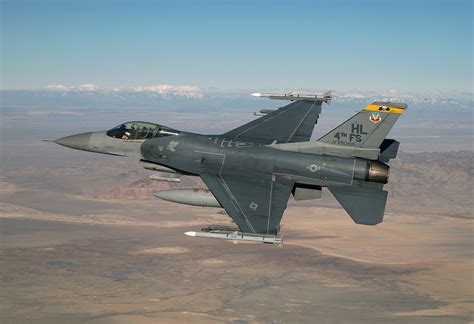
The F-16 Fighting Falcon, an iconic multirole fighter, has played a pivotal role in global air combat since its introduction in the 1970s. Despite its revolutionary design, the aircraft garnered the unflattering nickname “Lawn Dart” due to its high crash rate, particularly during its early years of service. This moniker arose from the aircraft’s tendency to crash nose-first into the ground—much like the children’s toy known as a lawn dart. Understanding the reasons behind this reputation requires an exploration of the F-16’s technical evolution, accident history, and subsequent improvements.
The Origin of the “Lawn Dart” Nickname
The F-16 earned its grim nickname primarily in the 1980s and 1990s when crash rates were alarmingly high. Some notable statistics include:
- Over 700 crashes recorded among the 4,700+ F-16s produced, equating to roughly 1 crash per 7 aircraft.
- The U.S. Air Force in South Korea experienced three consecutive F-16 crashes between May 2023 and January 2024, showcasing the aircraft’s continued operational risks.
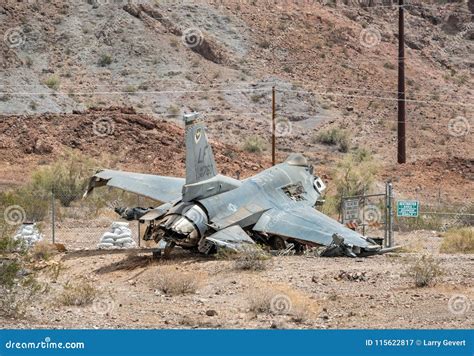
The term “Lawn Dart” not only reflects the frequency of accidents but also the abrupt and often vertical nature of many crashes. Early models suffered from a combination of technical issues, pilot error, and operational demands, leading to loss-of-control incidents that ended in catastrophic impacts.
Factors Contributing to the High Accident Rate
Technical and Design Challenges
Early Flight Control System Issues
One of the most revolutionary aspects of the F-16 was its fly-by-wire (FBW) control system, which replaced traditional mechanical linkages with electronic signals. While this increased maneuverability, early versions occasionally suffered from software glitches and system failures, leading to uncontrollable dives.
Engine Failures
The F-16A/B models, equipped with Pratt & Whitney F100 engines, faced compressor stalls and flameouts, making engine reliability a critical concern. Pilots found themselves in life-threatening situations due to sudden power loss, particularly during takeoff or combat maneuvers.
Structural Fatigue and Airframe Stress
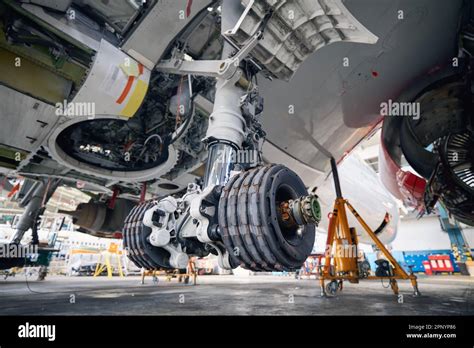
The F-16’s lightweight airframe was optimized for agility but proved susceptible to high-G fatigue. Structural failures, such as horizontal stabilizer detachment, occurred due to extreme stress. Unlike more robust aircraft, such as the F-15 Eagle, which could endure severe damage, the F-16 lacked significant redundancy, making certain failures unsurvivable.
Human Error and Training Challenges
The F-16’s exceptional maneuverability—capable of sustaining 9G turns—demanded high pilot skill levels. Many accidents occurred due to pilot overcorrections, loss of situational awareness, and difficulty in recovering from spins. Training accidents were particularly common in low-altitude combat exercises, where ejection was often impossible due to proximity to the ground.
Operational Pressures and High-Risk Missions
The F-16 was designed for multirole operations, including close air support (CAS) and suppression of enemy air defenses (SEAD). These roles exposed the aircraft to ground fire, hostile radar, and extreme combat conditions, leading to accelerated wear and mechanical failures.
Improvements Over Time
Recognizing the issues plaguing early F-16 variants, subsequent models received significant upgrades that improved safety, reliability, and performance.
Upgraded Engines
Newer variants, such as the F-16C/D and F-16V, feature the General Electric F110 engine, providing greater thrust, reduced stall risk, and improved fuel efficiency. These enhancements significantly lowered the number of engine-related crashes.
Advanced Avionics and Flight Systems
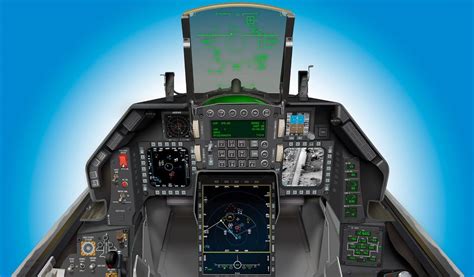
The integration of AN/APG-83 AESA radar, advanced digital flight control software, and automated recovery systems reduced pilot workload and enhanced survivability in critical situations. These advancements minimized the risk of control loss and improved mission effectiveness.
Structural Reinforcements and Maintenance Protocols
To address airframe fatigue, later F-16 models incorporated reinforced wings, upgraded fuselage materials, and enhanced maintenance schedules. These measures extended the aircraft’s service life while reducing failure rates.
Cultural Impact and Legacy of the “Lawn Dart”
Despite overcoming many early challenges, the F-16’s reputation as a “Lawn Dart” persists in aviation circles. The nickname serves as a reminder of the high-risk nature of fighter jet operations and the evolutionary process required to refine cutting-edge military technology.
A Revolutionary Fighter
Despite its early setbacks, the F-16 redefined modern air combat, proving its versatility in roles ranging from dogfights to precision bombing. It remains one of the most widely used fighters worldwide, with over 25 nations operating the platform.
A Learning Curve for Pilots and Engineers
The F-16’s history reflects the delicate balance between performance and safety. It stands as a testament to engineering resilience and the continuous evolution of military aircraft.
FAQ Section
Why was the F-16 nicknamed the “Lawn Dart”?
The term “Lawn Dart” emerged due to the F-16’s high crash rate, particularly in the 1980s and 1990s, when the aircraft often nose-dived into the ground due to technical failures, pilot errors, and structural fatigue.
How did the U.S. Air Force improve F-16 safety?
The U.S. Air Force and allied operators implemented numerous upgrades, including stronger airframes, more reliable engines, enhanced avionics, and improved training protocols, significantly reducing accident rates over time.
Is the F-16 still considered a reliable aircraft today?
Yes, modern F-16 variants, such as the F-16V, feature state-of-the-art avionics, powerful engines, and refined aerodynamics, making them highly reliable and combat-effective in modern warfare.
The F-16 Fighting Falcon, once marred by a troubling accident record, has emerged as an enduring symbol of technological advancement and air superiority, proving that even the most challenging beginnings can lead to lasting success.