The Boeing 737 MAX is not just a modernized version of its legendary predecessor—it is a technological leap designed to compete fiercely in the high-stakes world of single-aisle commercial aviation. One of the most striking performance characteristics of the aircraft is its remarkable climb rate, often described by pilots and aviation experts as “insane” for a narrow-body jetliner. This capability is the result of sophisticated aerodynamic design, powerful engines, and advanced flight systems, all wrapped in a familiar fuselage. But behind the high performance lies a story of engineering compromises, tragedy, and regulatory overhaul.
The Evolution Behind a Power Climber
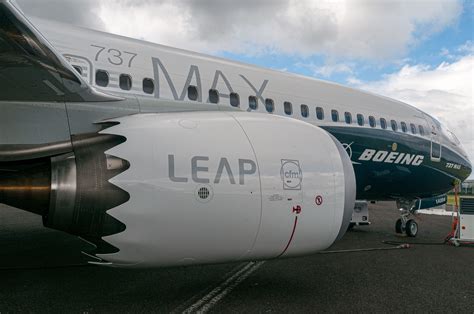
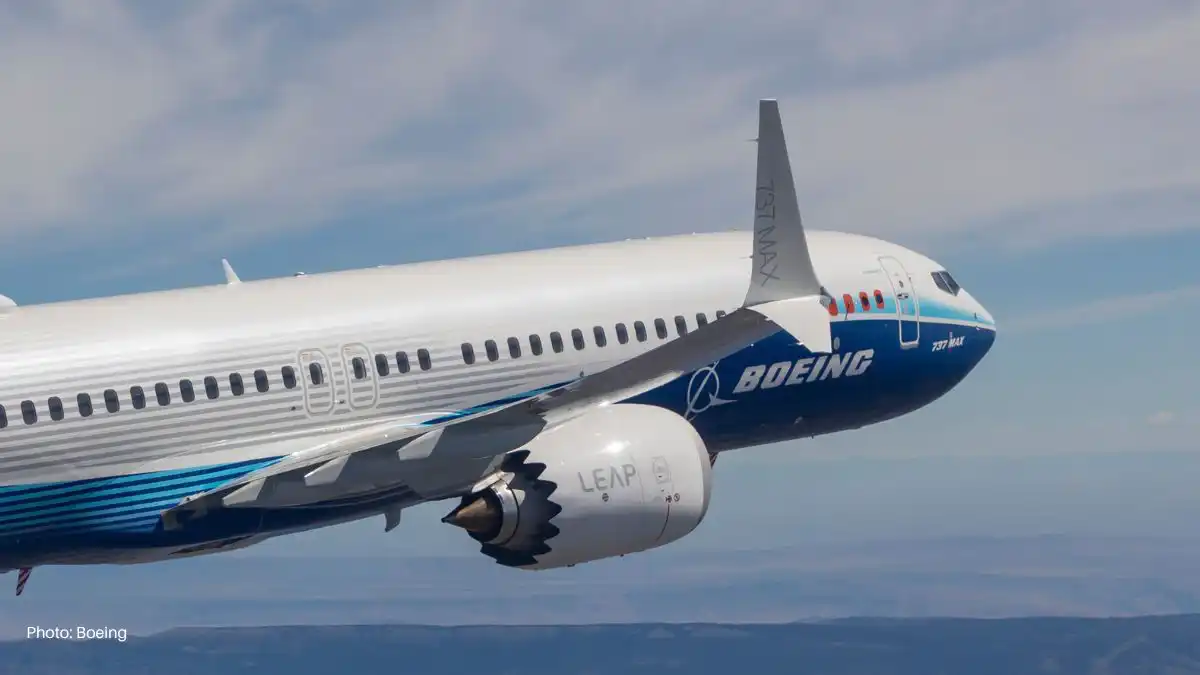
To understand the 737 MAX’s aggressive climb profile, we must first examine its evolution from the Boeing 737 Next Generation (NG) series. Boeing sought to modernize the 737 without radically changing its structure, allowing airlines to maintain existing training and operational procedures. This strategic constraint led engineers to adopt the CFM International LEAP-1B engines, which are significantly more fuel-efficient but also larger in diameter than those used on the 737NG.
The new engines required creative placement on the wings—mounted higher and further forward than in previous versions. While this improved ground clearance and accommodated the larger fan size, it also introduced unexpected aerodynamic behavior, especially during high Angle of Attack (AoA) maneuvers such as takeoff and steep climbs.
Aerodynamic Effects of Forward-Mounted Engines
The repositioned engines did more than save fuel. At high AoA, they created a lift-generating effect that compounded the aircraft’s tendency to pitch upward. The nacelles—bulbous and aerodynamic—act as airfoils under certain flight conditions. This lift occurs ahead of the aircraft’s center of gravity, creating a pitch-up moment that reinforces itself the higher the AoA climbs.
This phenomenon means that, during takeoff or aggressive climbing, the engine nacelles are not passive components—they effectively become extra lifting surfaces that intensify the aircraft’s nose-up tendency. While not inherently unstable in the engineering sense, the MAX behaves quite differently from previous 737s, particularly under full thrust.
MCAS: A Software Solution to Aerodynamic Challenges
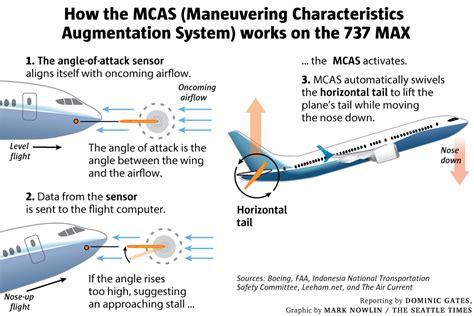
To counteract the pitch-up behavior and ensure the MAX felt like its predecessor in the pilot’s hands, Boeing introduced the Maneuvering Characteristics Augmentation System (MCAS). This software was designed to subtly adjust the aircraft’s trim by pushing the nose down during high AoA conditions, mimicking the natural stability of earlier 737 models.
Unfortunately, this critical system was not disclosed adequately to pilots. It relied on data from a single AoA sensor and could activate repeatedly in the event of a sensor failure, leading to catastrophic outcomes. The tragic crashes of Lion Air Flight 610 and Ethiopian Airlines Flight 302—claiming 346 lives—exposed the dangers of hidden automation, lax regulatory oversight, and the prioritization of certification shortcuts over safety.
CFM LEAP-1B: Raw Power and Fuel Efficiency
While MCAS addressed the aerodynamic effects of engine placement, the LEAP-1B engines themselves are a marvel of modern aviation engineering. These engines deliver unprecedented thrust for a narrow-body airliner, with a high bypass ratio of 9:1, compared to 5.1:1 in the 737NG’s engines. The fan diameter expanded to 69.4 inches, enabling more air to bypass the engine core, reducing noise and boosting efficiency.
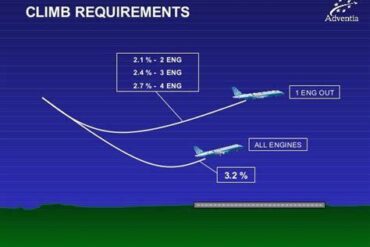
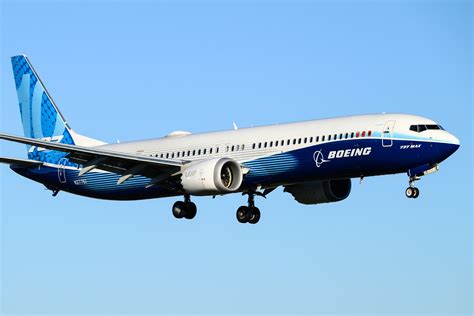
The result? A 15 to 20% increase in initial climb performance compared to previous generations. The 737 MAX gets to altitude faster, smoother, and with more flexibility, especially valuable at hot, high, or short-runway airports. Whether it’s dense tropical air or a high-altitude departure in the Andes, the MAX performs with agility rarely seen in commercial jets of its class.
Climbing Through Turbulence Into the Stratosphere
Another major advantage of the MAX’s climb performance is its ability to escape weather-related turbulence faster than most aircraft. Since storms and unstable air are concentrated below 30,000 feet, reaching higher cruise altitudes swiftly allows for a smoother flight experience and improved fuel economy.
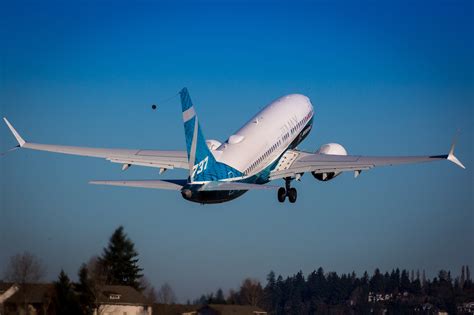
This is further supported by the MAX’s split-tip winglets, which reduce drag and enhance lift. Combined with engine power, the aircraft can rapidly ascend to its certified ceiling of 41,000 feet—slightly higher than its Airbus A320neo competitor. This ceiling provides more routing options, helping pilots navigate around headwinds, storm systems, and traffic congestion in congested air corridors.
Design vs. Regulation: The Certification Shortcut
The certification process for the MAX prioritized type rating continuity over pilot retraining. Boeing was determined to avoid requiring airlines to send pilots back to simulators, which would have triggered additional costs and delays. This commercial imperative shaped engineering decisions, including the deployment of MCAS to mask handling differences rather than address them aerodynamically.
This design philosophy—where software compensated for hardware limitations—reflected a broader trend in aviation but also blurred the line between pilot authority and automated correction. When that software failed, it left little room for recovery. The repercussions fundamentally altered how aviation authorities assess stability, automation, and manufacturer claims.
The Payload Advantage: Performance Under Pressure
Another lesser-discussed factor in the MAX’s steep climb is its ability to maintain climb performance even when carrying heavier payloads. With seating for up to 210 passengers in its MAX 8 variant and a range of over 3,500 nautical miles, it offers impressive thrust-to-weight efficiency.
This makes the aircraft highly valuable on dense domestic routes and mid-haul international missions, where takeoff performance under full load is essential. Airlines operating from altitude-challenged airports—such as Mexico City or Addis Ababa—benefit tremendously from this capability, making the MAX not just powerful but operationally versatile.
Operational Gains: Speed, Efficiency, and Cost Control
The high climb rate is not just a bragging point—it directly impacts route economics. By reaching cruise faster, the MAX burns less fuel during the low-efficiency climb phase and settles into optimal cruising earlier. This means reduced block time, improved on-time performance, and more efficient fuel planning for dispatch teams.
Moreover, with better climb performance, airlines can take off from runway-limited airports with full loads, reducing the need to restrict passenger or cargo capacity. This translates to higher revenue per flight and greater scheduling flexibility, especially during adverse weather or in congested airspace scenarios.
Advanced Winglets: Engineering Lift with Elegance
One of the most visually distinctive features of the 737 MAX is its Advanced Technology (AT) winglets, or split-tip winglets. These are not just aesthetic flourishes—they deliver up to 1.5% additional fuel savings by minimizing vortex-induced drag. During climb, they generate cleaner airflow, allowing the engines to maintain optimal thrust profiles with lower resistance.
Combined with reduced engine workload and more stable lift vectors, the aircraft can execute steeper, faster climbs while maintaining a balanced load distribution and preserving long-term engine health.
A Jet Forged in Controversy, Reforged in Confidence
Though the early history of the 737 MAX is overshadowed by the MCAS crisis, the aircraft has undergone extensive scrutiny, software overhauls, and pilot training updates. With multiple layers of redundancy now built into its flight control systems and a renewed regulatory framework guiding its operations, the MAX is re-entering global fleets with enhanced transparency and improved trust.
The jet’s climb rate is not a gimmick—it is the result of engine efficiency, aerodynamic design, and structural engineering focused on performance. Airlines now leverage this power for greater route flexibility, better fuel economy, and enhanced passenger satisfaction.
The 737 MAX remains a paradox—a jet of exceptional capability born from compromise, but ultimately refined into a workhorse that redefines single-aisle performance.
Final Thoughts: When Power Meets Precision
The Boeing 737 MAX’s climb rate is the culmination of next-generation engineering aimed at squeezing maximum performance from a legacy airframe. Its engines provide power, its winglets provide lift, and its software ensures handling stays within limits—most of the time. As it continues to soar past clouds and controversies, the MAX reminds the industry of both the rewards and risks of innovation in aviation.
It climbs faster than its rivals. It flies farther. It sips fuel at altitude. And despite its past, it is now safer, stronger, and ready to rise again.