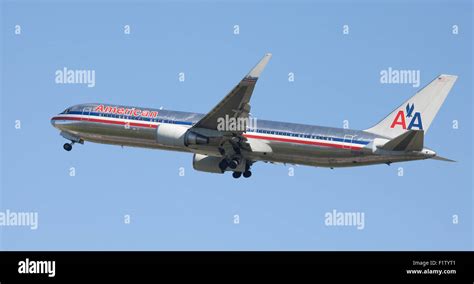
For decades, premium transcontinental flights in the United States were the domain of widebody aircraft. Routes linking New York, Los Angeles, San Francisco, and Boston attracted corporate travelers willing to pay top-tier fares for comfort, privacy, and speed. Airlines responded by deploying aircraft typically reserved for international journeys. Among them was the Boeing 767-200ER, a compact widebody that American Airlines used extensively to shuttle executives between the country’s most powerful economic hubs.
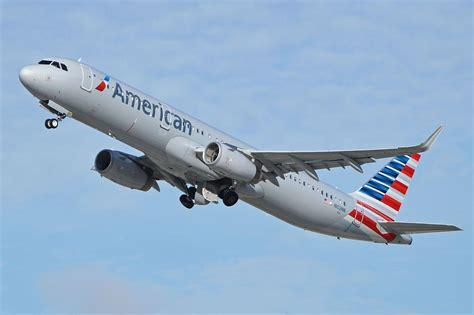
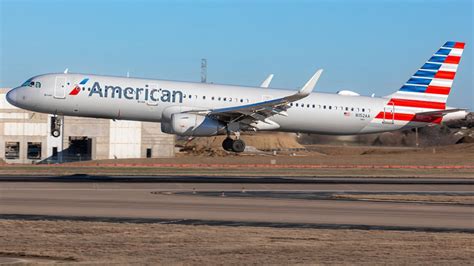
Then came a move that puzzled many aviation observers: American replaced these widebodies not with newer twin-aisle jets, but with a single-aisle Airbus A321 variant configured almost like a private club in the sky. The aircraft became known as the Airbus A321T, with the “T” standing for Transcontinental. With just over one hundred seats and a heavy emphasis on premium cabins, it represented one of the most unusual fleet strategies ever attempted by a major U.S. airline.
The decision was not merely about swapping aircraft types. It reflected a broader shift in airline economics, cabin design philosophy, and the relentless push to extract the highest possible revenue from the most lucrative routes in the domestic network.
The Era of the Boeing 767-200ER on Premium Domestic Routes
Before the narrowbody experiment began, the Boeing 767-200ER held a unique position in American Airlines’ fleet. Introduced in the early 1980s, the aircraft was designed as a medium-capacity widebody capable of transatlantic range, which made it incredibly versatile for airlines expanding global networks.
American Airlines eventually operated 27 examples of the 767-200ER, including aircraft originally ordered by the carrier and others inherited later through mergers. The earliest units arrived in 1984, representing the extended-range development of the standard 767-200. Compared with its predecessor, the ER version carried more fuel, featured stronger engines, and could comfortably reach Europe or deep South American destinations.
During the 1980s and early 1990s, the aircraft flew a mixture of international routes and domestic services. It linked major hubs such as Miami, New York, and Los Angeles with cities across the Atlantic. Yet the fleet’s role began to evolve as larger widebodies arrived.
By the 1990s, American Airlines started receiving the Boeing 767-300ER, a stretched version with more seats and superior economics on long-haul flights. As these newer aircraft entered the fleet, they gradually displaced the smaller 767-200ER from international missions.
Instead of retiring the aircraft immediately, American repositioned them onto something unexpectedly lucrative: premium transcontinental flights.
Why Transcontinental Flights Needed Widebodies
Flying between New York’s JFK Airport and Los Angeles International Airport takes roughly six hours. That is long enough for passengers to demand many of the comforts associated with international travel: fully reclining seats, quality meals, and space to work or relax.
Corporate contracts from finance firms, entertainment companies, and tech giants turned these routes into some of the highest-yield domestic markets in the world. Airlines quickly realized that packing a standard narrowbody with economy seats was not the best way to serve this customer base.
American’s 767-200ER configuration reflected this reality. By the time the aircraft approached retirement, it typically carried:
- 10 First Class seats
- 30 Business Class seats
- 128 Economy seats
The total capacity of 168 passengers provided a balance between premium seating and standard economy. For years, these aircraft became a familiar sight on flights such as:
- JFK – Los Angeles
- JFK – San Francisco
- Los Angeles – Boston
Passengers appreciated the twin-aisle cabin, which made boarding faster and created a more spacious atmosphere. For an airline, however, widebodies also came with higher operating costs: heavier airframes, more complex maintenance, and greater fuel consumption.
By the late 2000s, another problem emerged. The fleet was aging rapidly.
Aging Aircraft and a Changing Market
When American began considering replacements, many of its 767-200ERs were approaching thirty years of service. Cabin interiors felt outdated, maintenance costs were climbing, and fuel efficiency lagged behind modern aircraft designs.
Airlines faced a choice in situations like this. One path was straightforward: buy a new generation widebody. Another path, more unconventional, was to rethink the entire concept of the route.
American chose the second option.
Around the same time, Airbus had introduced a highly capable narrowbody platform: the Airbus A321-200, a stretched member of the A320 family with significantly higher passenger capacity and improved efficiency.
Most airlines used the A321 as a dense domestic workhorse. American Airlines had something very different in mind.
The Arrival of the Airbus A321T
In 2011, American Airlines announced one of the largest narrowbody aircraft orders in aviation history. The deal included 130 Airbus A320 family aircraft, among them a substantial number of A321-200 jets.
From this batch emerged a small but remarkable subfleet: the A321T.
These aircraft were delivered between 2013 and 2014, equipped with IAE V2533-A5 engines, aerodynamic sharklets, and an interior configuration that stunned industry analysts. Instead of maximizing capacity, American did the opposite.
The A321T carried just 102 passengers in a luxurious three-class layout:
- 10 Flagship First seats
- 20 Flagship Business seats
- 72 Economy seats
For a narrowbody aircraft capable of carrying around 200 passengers in typical configurations, this was extraordinarily spacious.
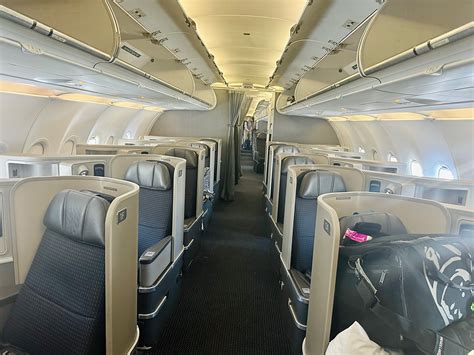
Each cabin included modern features that older widebodies lacked. Seatback screens, onboard Wi-Fi, and fully lie-flat seats gave passengers an experience closer to international business class than domestic travel.
Flagship First seats used an adapted version of the Safran Cirrus II design, similar to those installed in American’s Boeing 777-300ER. Business class featured the Collins Aerospace Diamond seat, providing direct aisle access and long-haul comfort.
The aircraft might have been smaller, but the onboard experience was undeniably more modern.
A Strategy Built Around Premium Demand
The logic behind the A321T was subtle but powerful.
American Airlines recognized that premium passengers, not economy travelers, drove profitability on transcontinental routes. The airline did not necessarily need more seats; it needed more high-yield seats.
Replacing the 168-seat 767-200ER with a 102-seat A321T accomplished several things simultaneously.
First, it reduced operating costs. Narrowbody aircraft burn less fuel, require fewer crew members, and generally cost less to maintain.
Second, the smaller size allowed American to increase flight frequency. Instead of operating fewer large aircraft each day, the airline could schedule more departures, giving business travelers flexibility.
Third, the cabin layout dramatically increased the ratio of premium seating to economy seating.
The result was an aircraft almost purpose-built for corporate travelers commuting between the nation’s financial and technology capitals.
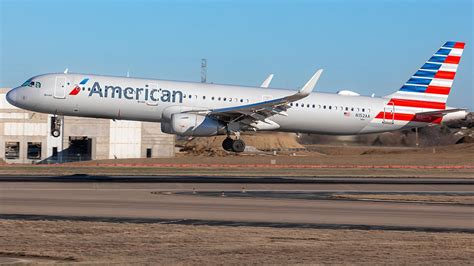
By 2013, American proudly advertised ambitious schedules including 13 daily flights between JFK and Los Angeles and five daily flights between JFK and San Francisco. The A321T became the flagship of these routes.
From a branding perspective, the strategy worked beautifully. The aircraft symbolized American’s commitment to luxury domestic travel, something relatively rare in the United States airline industry.
A Tale of Two Airline Philosophies
Then something unexpected happened.
In 2013, American Airlines merged with US Airways, forming the world’s largest airline at the time. While the combined company retained the American Airlines name, much of the leadership structure came from US Airways.
Before the merger, American had been investing heavily in premium cabins, seatback screens, and upscale passenger amenities. US Airways historically followed a more cost-focused approach, prioritizing operational efficiency over luxury features.
After the merger, the airline’s overall strategy began shifting toward higher seat density and lower operating costs.
Seatback screens gradually disappeared from new narrowbody deliveries. Premium cabins shrank on several widebody aircraft. Even the Boeing 777-200ER saw its Flagship Business cabin reduced from 45 seats to 37.
Against this new backdrop, the A321T looked like an artifact from another era—a reminder of American’s earlier focus on premium differentiation.
What Happened to the Other 767-200ERs?
The story grew more complicated when the merger introduced ten additional 767-200ERs from the US Airways fleet.
These aircraft differed significantly from American’s configuration. Instead of emphasizing luxury, US Airways had installed a much denser layout featuring:
- 18 business class seats
- 186 economy seats
That brought the total capacity to 204 passengers, far higher than the legacy American configuration.
Interestingly, these aircraft never received the full American Airlines livery. They continued operating briefly before being retired in 2015, the same year the US Airways brand disappeared entirely.
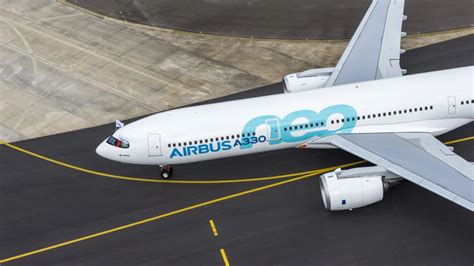
Their role was largely taken over by Airbus A330-200 aircraft, which had originally been ordered by US Airways. These widebodies featured Rolls-Royce Trent 700 engines and became important components of American’s international fleet.
Ironically, that fleet would also face an unexpected fate years later.
Pandemic Shock and the Widebody Reset
During the COVID-19 pandemic, global air travel collapsed almost overnight. Airlines rushed to cut costs and simplify fleets.
American Airlines made one of the most controversial decisions of that period: it retired its entire Airbus A330 fleet, including both A330-200 and A330-300 aircraft.
Many observers questioned the move. The A330-200s were relatively young and well-suited for medium-long haul routes. Meanwhile, Boeing experienced serious production delays with the 787 Dreamliner, which slowed the arrival of replacement aircraft.
As international travel rebounded in the mid-2020s, American found itself operating fewer widebodies than some competitors. The airline instead relied heavily on Boeing 777 and 787 aircraft to carry long-haul demand.
Meanwhile, the A321T fleet quietly continued its specialized role on domestic premium routes.
The Next Evolution: Enter the Airbus A321XLR
Even successful strategies eventually face technological change.
By the mid-2020s, the Airbus A321-200 platform powering the A321T was no longer the most efficient narrowbody available. Airbus had developed a far more capable variant: the A321XLR, designed for ultra-long-range missions.
American Airlines quickly saw an opportunity.
The A321XLR combines extended range with improved fuel efficiency, allowing airlines to fly routes previously served by widebodies using a single-aisle aircraft with far lower operating costs.
American’s configuration includes 155 seats, arranged as:
- 20 Flagship Suites
- 12 Premium Economy seats
- 123 Economy seats
This layout significantly increases total capacity compared with the A321T while still preserving a strong premium offering.
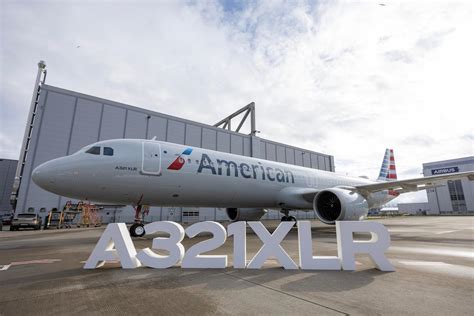
The airline has already taken delivery of two A321XLR aircraft, with 38 more on order. Once the fleet expands, these jets will gradually replace the A321T on premium transcontinental routes.
Afterward, American plans to reconfigure the A321T aircraft into a standard domestic layout, allowing them to continue flying elsewhere in the network.
The End of an Unusual Experiment
In retrospect, the A321T experiment was one of the most intriguing fleet decisions in modern airline history.
Replacing a widebody aircraft with a narrowbody might sound counterintuitive. Yet the strategy made sense within the economic ecosystem of premium transcontinental travel.
The aircraft delivered several advantages:
- Lower operating costs than widebodies
- High ratios of premium seating
- Increased daily flight frequency
- Modern passenger amenities
For over a decade, the A321T served as a specialized tool for extracting maximum revenue from elite business routes.
However, aviation rarely stands still. New aircraft technologies, evolving corporate travel patterns, and shifting airline strategies inevitably reshape the landscape.
The arrival of the A321XLR marks the next chapter in that evolution. It blends the narrowbody efficiency that made the A321T attractive with greater range and higher capacity, opening possibilities that extend far beyond domestic routes.
Airlines are, at heart, giant logistical puzzles. Aircraft types, cabin layouts, and route networks all interact in a delicate economic ecosystem. Sometimes the most successful move is not deploying the biggest aircraft available—but deploying the right aircraft for the right passengers.
For American Airlines, the A321T proved that even a single-aisle jet could replace a widebody legend when the economics, technology, and passenger expectations aligned just right. And in the endlessly inventive world of aviation strategy, that kind of gamble is exactly what keeps the skies interesting.