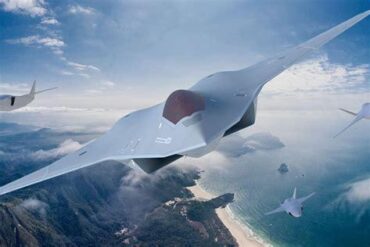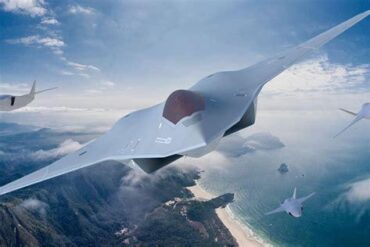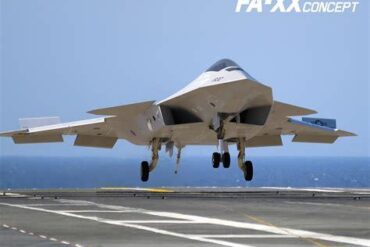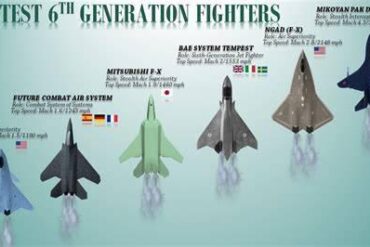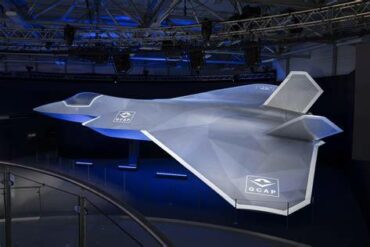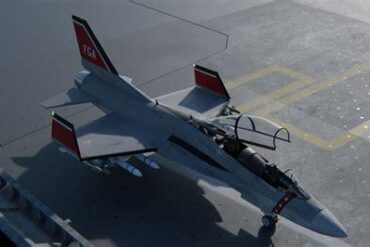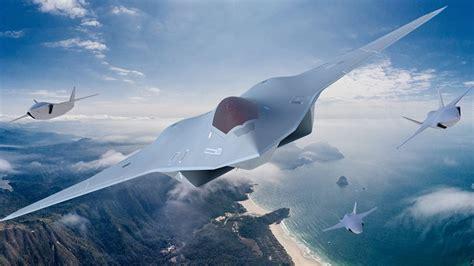
America’s dominance in aerial warfare has long been anchored in technological superiority, and with the Next Generation Air Dominance (NGAD) initiative, the United States is laying the groundwork for an unparalleled leap forward. The centerpiece of this sixth-generation fighter jet revolution is adaptive propulsion technology, a cutting-edge innovation promising to transform not just how fighter aircraft fly—but how they fight.
At the core of NGAD is the Next Generation Adaptive Propulsion (NGAP) program, a multi-billion-dollar effort jointly helmed by GE Aerospace and Pratt & Whitney (P&W). These industry titans are racing to perfect two game-changing engines: the GE XA102 and P&W XA103. Designed to redefine performance, endurance, and survivability, these engines are poised to shape the future of aerial combat.
Adaptive Propulsion: A New Era of Aerial Power
Traditional jet engines operate within a fixed performance envelope, with a single bypass ratio optimized for either speed or efficiency—not both. But future air superiority demands engines that adapt in real time to shifting mission needs. That’s precisely what NGAP engines are engineered to do.
The breakthrough lies in the introduction of a third airflow stream. Unlike conventional two-stream engines, which split airflow into core combustion and bypass thrust, adaptive engines incorporate a variable third stream. This enables dynamic switching between high-thrust and high-efficiency modes:
- High bypass for cruising: The third stream redirects airflow around the core, significantly increasing bypass ratio and delivering remarkable fuel savings.
- High thrust for combat: The same stream is rerouted through the core for rapid, raw power when the mission demands maximum performance.
This flexibility allows fighter jets to operate at greater distances and for longer durations while still having the power to dominate in dogfights.
Thermal Management: Surviving the Heat of Future Wars
Modern aerial warfare is becoming increasingly energy-intensive. From directed-energy weapons to advanced avionics and electronic warfare systems, tomorrow’s jets need more onboard power—and they generate far more heat. This is where thermal management capacity becomes mission-critical.
GE and P&W’s adaptive engines are designed with next-generation thermal management systems capable of more than twice the heat dissipation capacity of current systems. This leap is enabled in part by advanced materials, including ceramic matrix composites (CMCs). These ultra-high-performance materials not only reduce weight but also withstand temperatures hundreds of degrees higher than traditional metal alloys.
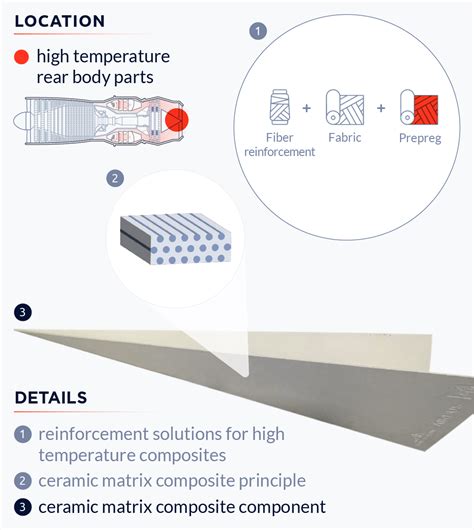
The result is a powerplant that can support energy-hungry onboard systems without compromising engine performance or aircraft survivability.
Fuel Efficiency and Operational Reach
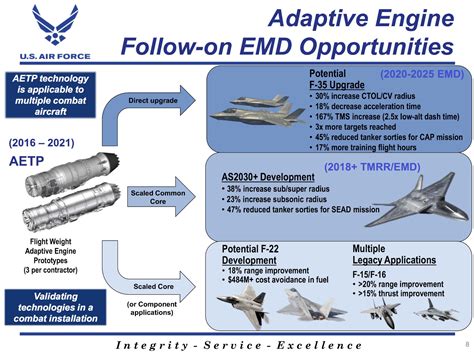
Another major performance benchmark for the XA102 and XA103 is fuel efficiency—a weakness in legacy fifth-generation fighters. The F-22 Raptor and F-35 Lightning, while unparalleled in agility and stealth, are hamstrung by limited combat radius due to their thirsty engines.
Adaptive engines aim to slash fuel consumption by up to 25%, according to GE Aerospace. This transformative improvement would allow next-gen fighters to:
- Fly farther without refueling
- Loiter longer over contested areas
- Respond to dynamic missions without tanker support
The strategic implications are profound, particularly in the Indo-Pacific theater, where vast oceanic distances challenge traditional combat logistics.
GE XA102 and P&W XA103: The Future, Unfolding in Metal
While both GE Aerospace and Pratt & Whitney are tight-lipped about proprietary specifications, available information points to a fierce race between two powerhouse designs:
- GE XA102 builds on the foundation of the XA100, which has already completed full-scale ground tests. The XA102 introduces further thermal enhancements, refined third-stream management, and likely stealth-optimized packaging.
- P&W XA103, while not as publicly disclosed, leverages the engine maker’s extensive experience with the F135, the powerplant behind the F-35. Early indications suggest a design that prioritizes durability, maintenance access, and electronic system integration.

In both cases, the engines are built with future-proofing in mind—capable of supporting unmanned systems, directed energy weapons, and next-gen sensor arrays.
Timeline and Testing: What Comes Next
GE has already successfully fired up its XA100, and the technologies proven in this engine are now being scaled and enhanced in the XA102. The development team is refining the integration of third-stream airflow and fine-tuning adaptive controls for real-world combat conditions.
Pratt & Whitney is on a similar trajectory, with test runs of the XA103 expected in the latter half of the 2020s. These test beds are key to validating not just raw performance but also how well the engines integrate with emerging sixth-generation aircraft designs.
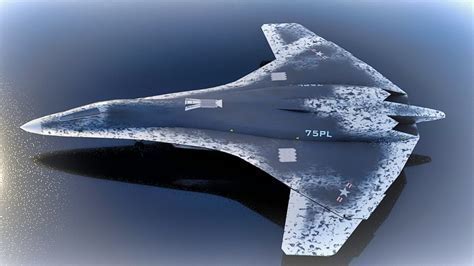
While the exact airframe for NGAD remains classified, the engines will be designed to power a family of systems—including crewed fighters, loyal wingmen drones, and possibly hypersonic derivatives.
Strategic Context: Why the Stakes Are Higher Than Ever
The race for sixth-generation air dominance is not just a technological quest—it’s a strategic imperative. Competitors like China and Russia are also investing heavily in stealth, hypersonics, and electronic warfare. Beijing’s J-20 is being fielded in greater numbers, and development of a J-XX sixth-generation platform is reportedly underway.
In this context, propulsion superiority becomes a force multiplier. A fighter jet’s ability to reach distant battlefields quickly, stay on station longer, and support power-intensive technologies may spell the difference between dominance and defeat.
Moreover, adaptive propulsion isn’t just about aircraft—it’s about strategy. With enhanced range and endurance, the U.S. can reduce dependency on vulnerable forward bases and tankers, offering greater flexibility and resilience in a contested environment.
The Bigger Picture: Ecosystem of Innovation
Beyond the engines themselves, NGAP is fostering a renaissance in aerospace engineering. From digital twin simulations to AI-powered predictive maintenance, the program is reshaping how propulsion systems are designed, built, and sustained.
Key spillover benefits include:
- Improved sustainment efficiency through advanced diagnostics and predictive tools
- Reduced life-cycle costs by using modular, maintainable designs
- Faster tech insertion via digital design and agile prototyping
This ecosystem approach ensures that the technologies developed for the XA102 and XA103 will influence not just NGAD but also future upgrades to existing fleets and allied platforms.
Looking Ahead: Powering the Next Century of Air Dominance
The development of the XA102 and XA103 engines is more than just a technological milestone—it’s a statement of intent. The United States is positioning itself not just to win the next air battle but to define the parameters of aerial warfare for decades to come.
As geopolitical tensions rise and the nature of warfare evolves, America’s sixth-generation fighter—powered by these adaptive engines—will be a cornerstone of national security. It will bring together stealth, range, power, and intelligence in a single, integrated system that is as adaptable as the missions it must perform.
The true measure of the XA102 and XA103 may not lie in specs alone, but in their ability to reshape strategy, extend reach, and elevate survivability in the most challenging environments. With every test fire and turbine spin, these engines bring us closer to the future of flight—and the next chapter in air supremacy.