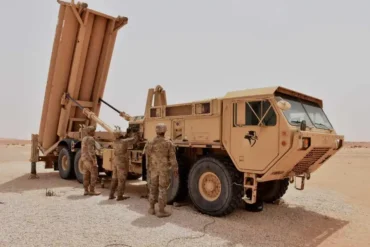
The U.S. Air Forces Central Command (AFCENT) launched a multi-day readiness exercise on 26 January 2026 to test its ability to deploy, disperse, and sustain combat airpower across the U.S. Central Command (CENTCOM) region. This theater-wide event focused on validating operational procedures under real-world conditions, emphasizing logistics resilience, multinational coordination, and the ability to maintain combat sortie generation despite geographical and political constraints.
The exercise unfolded against a backdrop of heightened regional tensions and an expanded U.S. military presence in the Middle East, underscoring the strategic imperative of maintaining rapid response capabilities. Rather than a routine training cycle, the event was framed as a validation of operational concepts, with a particular focus on dispersal and sustainment of air assets across multiple contingency locations. In the CENTCOM theater, where basing rights, airspace sovereignty, and infrastructure limitations shape operational planning, dispersal is not a theoretical concept but a practical necessity.
Lt. Gen. Derek France, commander of Ninth Air Force and AFCENT, highlighted the critical requirement for Airmen to operate in distributed environments while maintaining precision, safety, and operational tempo. The exercise centered on the generation of combat sorties under austere conditions, emphasizing that airpower effectiveness is measured not merely by deployment speed, but by the sustained ability to project force and execute missions over time.
The dispersal model tested during the exercise is designed to reduce reliance on a limited number of major airbases, complicating adversary targeting and preserving operational continuity even under degraded conditions. By operating from temporary or lesser-developed locations, the U.S. Air Forces aim to maintain sortie generation even if primary hubs are compromised, reinforcing resilience in contested environments.
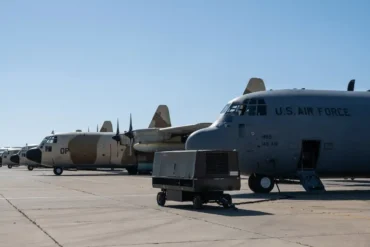
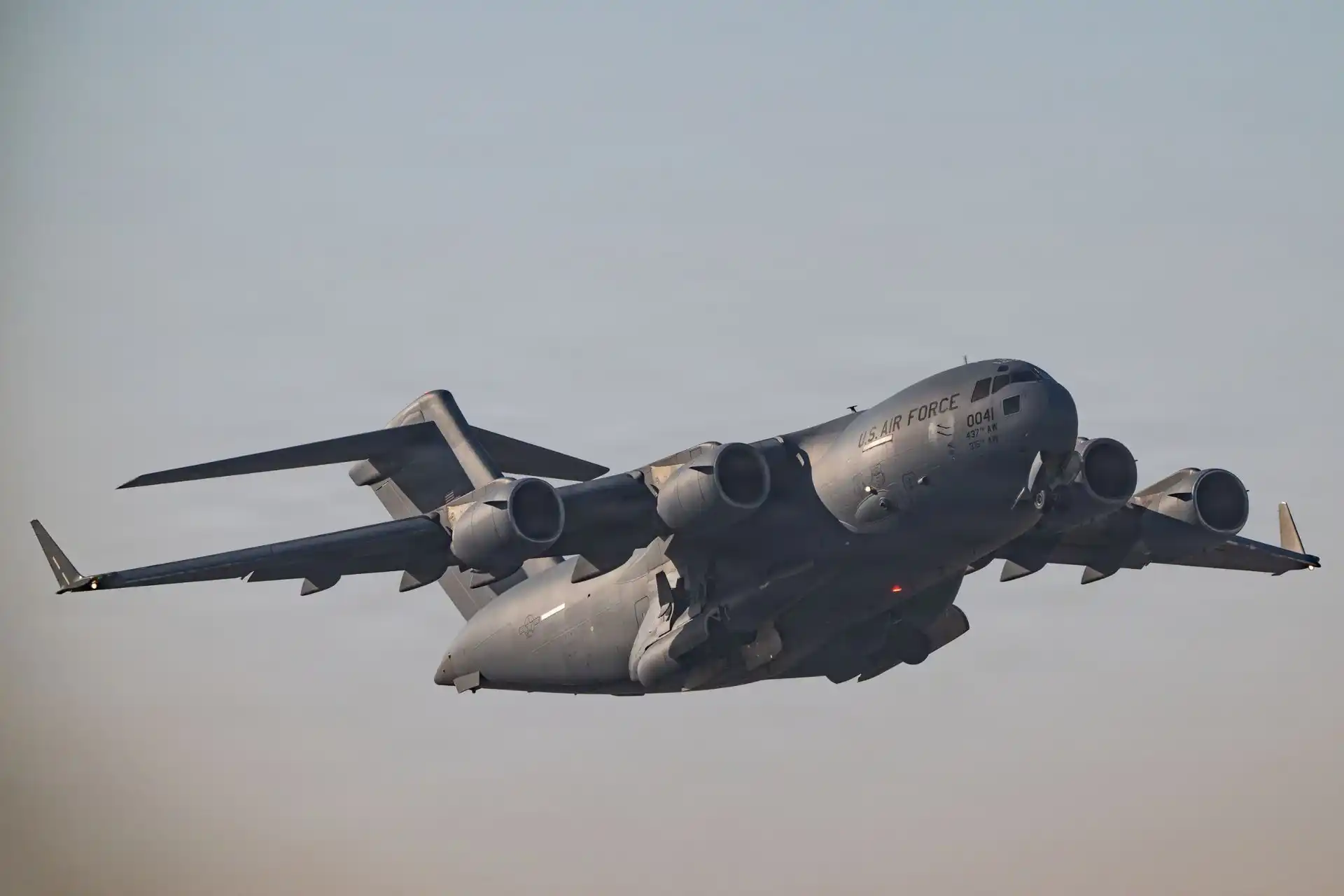
A key confirmed asset in the exercise was the C-17A Globemaster III, a strategic airlifter capable of transporting personnel, heavy equipment, and sustainment packages across long distances while operating from relatively short or austere runways. The aircraft’s ability to deliver critical logistics in a limited number of sorties makes it indispensable in a dispersed operational model, where rapid establishment of forward operating locations depends on efficient airlift capacity.
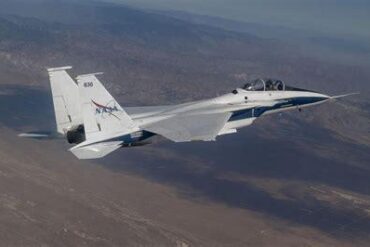
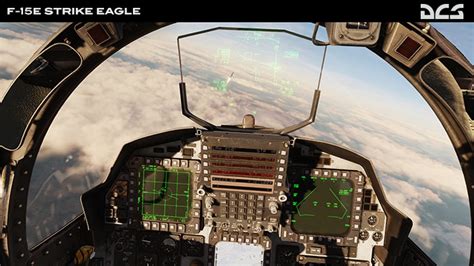
Although the official statements did not specify all aircraft types involved, the nature of the exercise strongly suggests the participation of multirole fighter platforms such as the F-16 Fighting Falcon and the F-15E Strike Eagle. These aircraft are frequently deployed within the CENTCOM area and are optimized for air superiority, precision strike, and interdiction missions. Their integration into dispersed operations requires streamlined maintenance processes, rapid munitions handling, and flexible command and control structures to maintain combat effectiveness with reduced infrastructure.
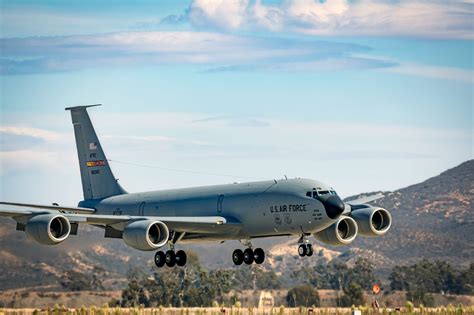
Aerial refueling capabilities are also central to distributed air operations, enabling extended range and persistence over contested areas. Within AFCENT’s typical force structure, tankers such as the KC-135R Stratotanker and the KC-46A Pegasus play a decisive role. These platforms not only extend mission endurance but also shape the operational geometry of air campaigns, allowing temporary concentration of combat power followed by rapid redistribution across the theater.
Beyond aircraft and logistics, the exercise emphasized integrated multinational command and control. In a region characterized by complex airspace management and diverse political sensitivities, coordination with host nations and coalition partners is essential. Tactical data links such as Link 16 enable real-time sharing of situational awareness, mission tasking, and threat information across distributed nodes, reducing friction and ensuring coherent execution despite physical dispersion of forces.
Dispersal as a Core Airpower Survival Strategy
Dispersal has emerged as a cornerstone of modern airpower doctrine, particularly in theaters where adversaries possess advanced strike capabilities. By operating from multiple locations, forces reduce the vulnerability associated with centralized basing, where a small number of high-value targets could cripple operational capacity. The CENTCOM region, with its mix of established bases, temporary facilities, and politically sensitive host nation agreements, presents a complex environment where dispersal is both a tactical and strategic necessity.
The exercise tested the ability to deploy “small, efficient support packages” to contingency locations, validating rapid setup, launch, and recovery procedures under constrained conditions. These agile detachments must maintain strict flight safety and maintenance standards while operating with a deliberately reduced footprint, highlighting the importance of highly trained personnel and modular logistics frameworks.
Logistics Resilience and Sustained Sortie Generation
At the heart of the exercise was the concept of sustained sortie generation under degraded conditions. Airpower is not defined solely by the number of aircraft deployed but by the ability to keep them flying, armed, and connected to command networks. This requires resilient logistics chains, robust maintenance processes, and adaptable force protection measures capable of functioning in austere environments.
Dispersed operations challenge traditional logistics models by requiring distributed stockpiles of fuel, munitions, and spare parts. The exercise sought to validate the ability of AFCENT units to maintain operational tempo despite limited infrastructure, demonstrating that airpower can remain effective even when centralized hubs are unavailable.
Multinational Coordination in a Contested Theater
The CENTCOM area of responsibility is characterized by overlapping airspaces, coalition operations, and complex political dynamics. The readiness exercise underscored the necessity of close coordination with civil and military aviation authorities, as freedom of action depends not only on military capability but also on diplomatic and regulatory frameworks governing airspace use.
Integrated multinational command and control structures were a focal point, ensuring that coalition partners could operate seamlessly within a distributed architecture. This approach reflects the reality that modern air campaigns are rarely unilateral, requiring synchronized efforts across multiple nations and services.
Strategic Signaling and Deterrence Implications
By publicly demonstrating the ability to rapidly deploy and sustain dispersed combat airpower, the United States sends a signal of deterrence and reassurance to both adversaries and regional partners. The exercise took place amid increasing U.S. military presence in the Middle East, including the deployment of the USS Abraham Lincoln carrier strike group and accompanying naval assets. These movements are linked to broader regional tensions, particularly involving Iran and evolving geopolitical dynamics.
The readiness event serves a dual purpose: enhancing operational capability while reinforcing strategic messaging that U.S. forces can respond flexibly and resiliently to emerging threats. Unlike large-scale exercises that simulate major conflicts, this event focused on practical validation of procedures, reflecting a shift toward realism and operational readiness in an era of contested domains.
Operational Elasticity and Future Air Campaigns
The concept of operational elasticity—rapidly shifting combat power across axes of effort—was central to the exercise. Dispersed basing enables forces to adapt to changing threat environments, relocate assets to avoid targeting, and maintain pressure without presenting predictable patterns. This flexibility is increasingly important as adversaries invest in long-range precision strike capabilities designed to neutralize fixed installations.
By validating dispersed operations, AFCENT enhances its ability to conduct distributed air campaigns, where effects are concentrated temporarily and then redistributed to maintain operational unpredictability. This approach aligns with broader U.S. military concepts such as Agile Combat Employment (ACE), which emphasize mobility, modularity, and resilience in contested theaters.
Technology, Connectivity, and the Human Factor
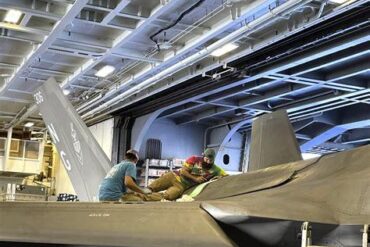
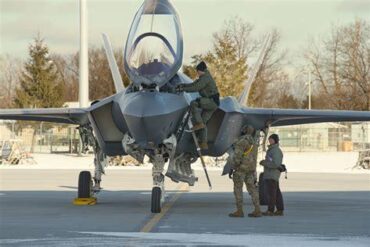
While advanced platforms and networks enable dispersed operations, the exercise highlighted the human dimension of modern airpower. Operating from austere locations with limited support requires disciplined personnel, streamlined procedures, and adaptive leadership. Ground crews, maintenance teams, and force protection units play a decisive role in sustaining sortie generation, often under challenging conditions.
Connectivity technologies, including secure communications and data-sharing networks, function as force multipliers by enabling distributed units to operate as a cohesive system. However, these systems must be resilient against electronic warfare and cyber threats, adding another layer of complexity to dispersed operations.
Implications for Regional Security Architecture
The readiness exercise contributes to the evolving security architecture of the Middle East, where rapid power projection and coalition integration are essential to maintaining stability. By demonstrating the ability to operate across multiple locations with reduced infrastructure, the U.S. Air Forces enhance their capacity to support allies, deter aggression, and respond to crises without relying on a limited number of permanent bases.
This approach also aligns with broader trends in military basing, where political sensitivities and host nation constraints necessitate flexible deployment models. Distributed operations reduce the political and operational risks associated with large, permanent installations, offering a more adaptable framework for sustained engagement.
Conclusion: A Practical Test of Modern Airpower Doctrine
The January 2026 AFCENT readiness exercise represents a practical validation of modern airpower doctrine in a contested and politically complex theater. By focusing on dispersal, logistics resilience, and multinational command and control, the event tested the foundational elements required for sustained combat operations in the CENTCOM region.
The integration of strategic airlift, multirole fighters, aerial refueling assets, and advanced command networks underscores the multidimensional nature of modern airpower. More importantly, the exercise demonstrated that operational effectiveness depends not only on platforms and technology but on the ability to sustain tempo, adapt to constraints, and coordinate across a multinational framework.
As regional tensions persist and adversaries continue to develop capabilities to challenge centralized basing, exercises like this provide critical assurance that U.S. air forces can project power rapidly, operate flexibly, and maintain combat effectiveness under degraded conditions. In an era where speed, resilience, and adaptability define military success, the ability to disperse and sustain airpower across a vast and contested theater remains a decisive strategic advantage.