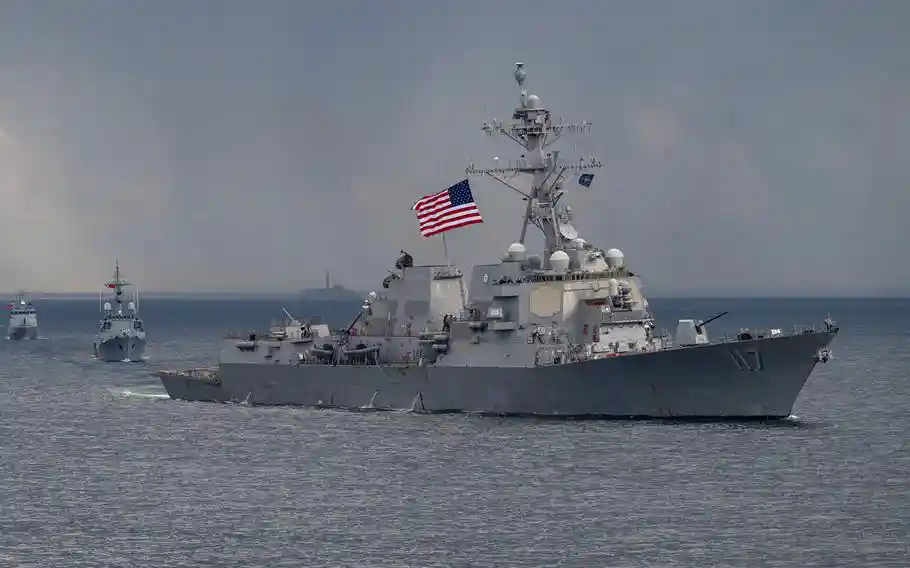
The United States has announced a transformative expansion of its naval fleet, anchored in the Fiscal Year 2026 National Defense Budget, which allocates $47.3 billion for the procurement of 19 new battle force ships. This move comes at a pivotal time of rising global maritime tensions, particularly in the Indo-Pacific region and the Middle East, where naval supremacy is rapidly becoming a cornerstone of strategic dominance.
The budget is part of a record-breaking $1.01 trillion U.S. defense package, reflecting a decisive pivot in Washington’s maritime doctrine. The emphasis on undersea warfare, amphibious readiness, and multi-domain maritime surveillance underscores the urgency to maintain competitive advantage as rival fleets—especially that of China’s People’s Liberation Army Navy (PLAN)—grow in size and capability.
Strategic Priorities Drive FY2026 Naval Procurement Surge
This year’s shipbuilding budget marks a 13.4% increase over the previous fiscal cycle, moving well beyond the five ships funded last year. The Pentagon has outlined four principal objectives guiding the 2026 plan:
- Fortify homeland maritime defense
- Deter Chinese aggression in the Indo-Pacific theater
- Revitalize the U.S. defense industrial base
- Ensure responsible fiscal execution and strategic transparency
Rather than simply adding hulls to match adversarial numbers, the focus is on deploying capable, high-end vessels equipped for 21st-century maritime warfare. The future U.S. fleet will prioritize lethality, survivability, and interoperability across multi-domain battle environments.
What Ships Will Be Built?
The 19 new warships in the FY2026 plan span a wide spectrum of naval capability and purpose. Each class plays a specific operational role in maintaining U.S. maritime dominance:
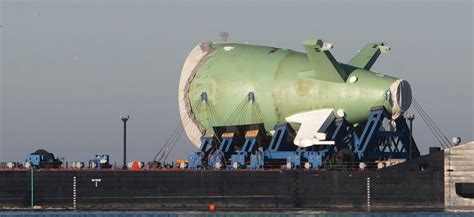
- 1 Columbia-class ballistic missile submarine (SSBN): To replace the aging Ohio-class, ensuring strategic nuclear deterrence beneath the waves.
- 2 Virginia-class attack submarines (SSNs): Enhancing deep-sea strike and intelligence capabilities.
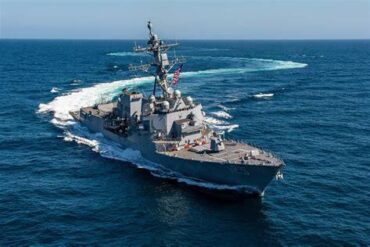
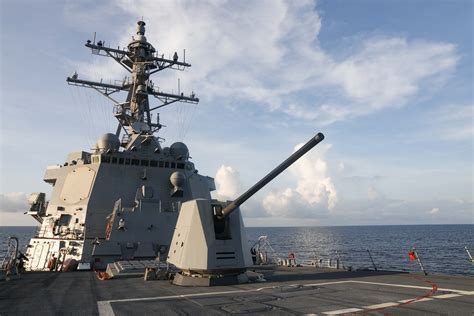
- 2 Arleigh Burke-class destroyers (DDGs): Providing multi-mission firepower, air defense, and Aegis Ballistic Missile Defense.
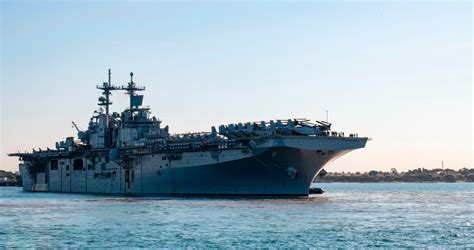
- 1 America-class amphibious assault ship (LHA): Designed for Marine expeditionary operations with vertical lift air support.
- 1 San Antonio-class amphibious transport dock (LPD): Facilitating troop movement and surface-to-shore amphibious assault.
- 9 Landing Ship Mediums (LSMs): Replacing older landing craft with agile, forward-deployable platforms.
- 2 John Lewis-class fleet oilers (TAO): Supporting naval logistics and extended operations.
- 1 T-AGOS ocean surveillance ship: Vital for submarine tracking and undersea domain awareness.
The Chinese Challenge: Why Numbers No Longer Suffice
The People’s Liberation Army Navy (PLAN) now commands over 730 operational vessels, giving China the largest naval fleet in the world by hull count. However, U.S. strategists are increasingly moving away from the notion that numerical superiority alone defines maritime strength. Instead, there is growing emphasis on:
- Advanced sensor fusion
- Long-range strike capabilities
- Distributed lethality
- Autonomous systems and unmanned platforms
The FY2026 strategy narrows the U.S. fleet from 296 to 287 battle force ships, but every vessel introduced is purpose-built for high-threat, near-peer confrontations. The shift symbolizes a doctrine of quality over quantity.
Indo-Pacific Flashpoints: Taiwan, South China Sea, and Sea Lane Security
Washington’s naval investments are aimed squarely at countering Chinese influence in the Indo-Pacific, where tensions over Taiwan and expansive Chinese claims in the South China Sea have escalated in recent years. U.S. warships routinely conduct Freedom of Navigation Operations (FONOPs) through contested waters, a mission that demands enhanced capability and endurance.
With Japan accelerating its own naval modernization and regional allies like Australia and the Philippines boosting maritime cooperation, the U.S. Navy is positioning itself as the keystone force to maintain peace and security in this strategic theater.
Middle East Maritime Posture Remains Vital
While the Indo-Pacific draws headline attention, the Middle East remains a focal point for American naval power. Tensions with Iran, persistent threats from Houthi rebels, and instability in Yemen and the Red Sea corridor create operational hotspots that require a nimble and sustained naval presence.
The 2026 fleet additions reflect this reality with investments in amphibious warfare ships, logistics platforms, and ocean surveillance. These assets enable the Navy to support CENTCOM operations, protect chokepoints like the Strait of Hormuz and Bab-el-Mandeb, and counter asymmetric threats posed by regional non-state actors.
Reviving the U.S. Shipbuilding Base: Industrial and Economic Impacts
The commitment to a 19-ship procurement plan is not only a strategic signal to adversaries—it is also a resounding message to America’s ailing shipbuilding industry. The defense budget’s focus on volume ordering provides predictability and stability for naval contractors, shipyards, and the broader supply chain.
Key beneficiaries include:
- General Dynamics Electric Boat and Huntington Ingalls Industries (for submarine and surface combatants)
- Austal USA and Bollinger Shipyards (for landing ships and support vessels)
- Smaller subcontractors supplying everything from propulsion systems to radar arrays
Increased funding allows these companies to scale up production, invest in workforce development, and modernize aging infrastructure. The result is a more resilient industrial base, capable of surging production if global tensions escalate further.
A Shift in Strategic Signaling
The scale and intent of the FY2026 budget sends an unmistakable signal to both allies and adversaries. It communicates that the United States is doubling down on sea power as the linchpin of its global defense posture. The emphasis on readiness, deterrence, and integrated naval operations reflects a pivot away from reactive crisis management to proactive force projection.
It also comes at a time when NATO navies, Asian allies, and neutral observers alike are reevaluating their maritime postures. With the U.S. taking a leading role in securing the commons, its moves will shape the direction of global naval development.
Final Outlook: Preparedness Over Parity
The decision to invest in fewer—but far more capable—ships represents a deliberate move toward a leaner, more lethal Navy. It acknowledges that the challenges of tomorrow will not be met by sheer numbers but by networked platforms, integrated sensors, and operational adaptability.
In the face of a growing PLAN and volatile Middle Eastern dynamics, the FY2026 shipbuilding plan ensures the U.S. Navy retains its technological edge and strategic reach. As budget execution begins and keel-laying ceremonies follow in American shipyards, the world will watch closely to see how this historic investment reshapes naval power in the years to come.