Spark plugs may seem like humble components buried inside the engine, but in aviation, they are essential for keeping aircraft flying safely, smoothly, and efficiently. Without a proper spark, combustion won’t occur—and without combustion, engines don’t run. The science behind aviation spark plugs, their construction, maintenance needs, and failure modes are critical for understanding overall engine health. We explore these elements in detail to uncover why aviation spark plugs are far more than just metal parts—they are key to reliable flight.
The Science of Spark: How Aviation Spark Plugs Ignite Power
To understand aviation spark plugs, we must revisit the fundamentals of combustion. The internal combustion engine operates by mixing fuel and air, then igniting that mixture to generate the explosive force necessary for propulsion. Spark plugs provide the ignition source—the “heat” in the classic fire triangle of fuel, oxygen, and heat.
Unlike their automotive cousins, aircraft spark plugs are designed for both extreme reliability and redundancy. Each cylinder in an aircraft engine typically contains two spark plugs, not one. This dual setup ensures continued operation even if one plug fails, maintaining both power output and safety.
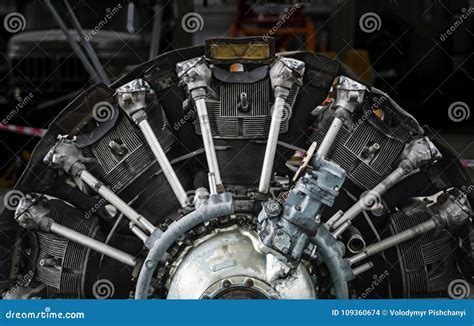
The working mechanism is simple but precise. A high-voltage electrical current, supplied by the aircraft’s magneto system, travels into the plug. There, it leaps across a precisely measured gap between the central electrode and the side electrodes, creating a spark. This spark ignites the compressed fuel-air mixture in the cylinder, generating power.
Anatomy of an Aircraft Spark Plug
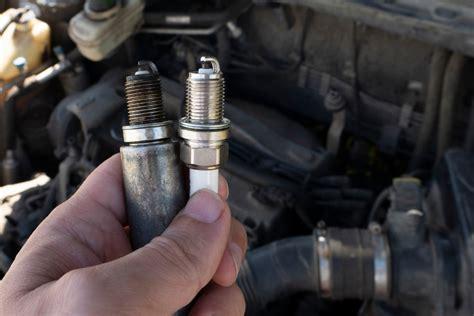
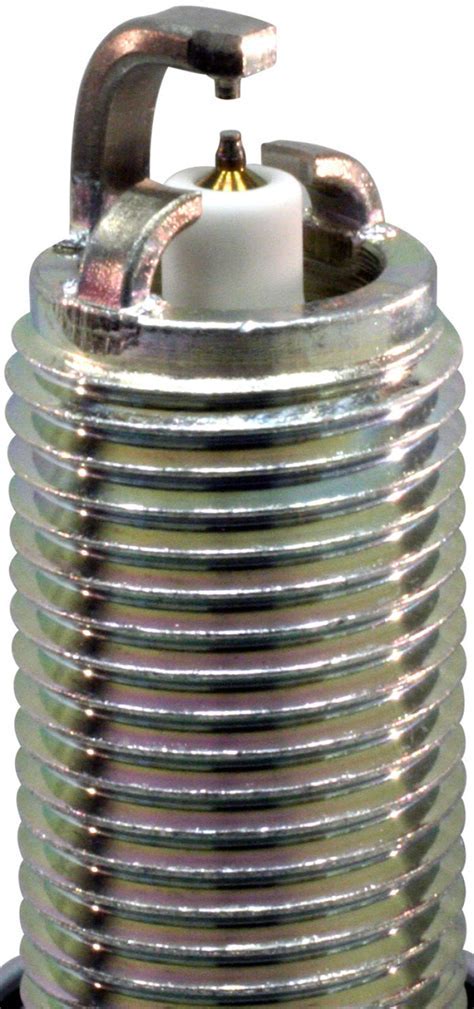
Aviation spark plugs are purpose-built to withstand punishing conditions—vibration, heat, lead fouling, and altitude variations. They typically consist of:
- Metal shell: Threads into the engine cylinder and provides structural stability.
- Insulator: Made of ceramic, it isolates the center electrode and resists electrical leakage.
- Central electrode: Carries the current from the ignition system.
- Side electrodes (ground electrodes): Positioned around the center post to allow the arc to form.
- Electrode gap: A small, calibrated space that determines spark strength and duration.
These components are precision-engineered to ensure exact timing, maximum spark intensity, and extended durability under harsh engine conditions.
The Magneto System: Dual Redundancy in Action
Aircraft do not rely on batteries to power spark plugs. Instead, magnetos—self-contained electrical generators—provide spark energy. There are typically two magnetos per engine, each connected to one spark plug per cylinder. During a pre-takeoff magneto check, a pilot selects either the left or right magneto, effectively taking one spark plug per cylinder offline. The slight drop in RPM indicates the system is working correctly. A significant drop, however, can signal fouled or failing plugs.

This redundancy is a fundamental feature of certified aircraft engines. Should one plug fail mid-flight, the cylinder continues to operate with the remaining one. This safety mechanism prevents total engine failure due to isolated component issues.
Common Causes of Spark Plug Failure in Aviation
Aviation spark plugs are remarkably durable, but they’re not immune to performance degradation. One of the most persistent issues is carbon fouling, caused by leaded fuel and improper mixture settings during low-power ground operations.
When the engine runs rich (too much fuel), unburned hydrocarbons and combustion byproducts—including lead—deposit on the electrodes. These carbon deposits act as insulators, reducing spark effectiveness or even preventing it altogether.
Signs of a fouled spark plug include:
- Noticeable vibration
- Significant RPM drop during magneto check
- Rough engine operation
To mitigate this issue, experienced pilots perform a leaning procedure. This involves increasing throttle, pulling the mixture back until the engine runs rough, then enriching it slightly. This temporary condition creates higher combustion temperatures, effectively burning off carbon buildup.
Maintenance and Inspection: Keeping the Spark Alive
Routine spark plug inspection is vital for long-term engine health. Plugs should be checked at every 100-hour inspection or more frequently in high-lead environments or training aircraft.
Key maintenance steps include:
- Cleaning electrodes: Removing carbon and lead fouling with specialized brushes or blasting tools.
- Checking electrode wear: Excessive wear changes the spark gap and weakens ignition.
- Measuring spark gap: Ensuring the electrode gap remains within manufacturer specifications.
- Replacing gasket seals: Ensuring compression is not lost from the cylinder.

Neglecting this maintenance can lead to misfiring, pre-ignition, or detonation, any of which may cause damage to pistons or valves—issues that are expensive to fix and hazardous in flight.
Heat Range and Plug Selection: One Size Does Not Fit All
Aviation spark plugs come in varying heat ranges, which refer to their ability to transfer heat from the combustion chamber to the cylinder head and cooling system. A plug that runs too hot can cause pre-ignition; one that runs too cool may foul with carbon or lead.
Choosing the correct heat range depends on:
- Engine model and horsepower
- Typical cruise settings
- Fuel type and additive content
- Operating altitude and climate
Manufacturers like Champion and Tempest offer plug models rated for specific aircraft engines. Using a plug outside the recommended heat range can compromise performance and safety.
Modern Innovations in Aviation Spark Plug Technology
While the basic design of spark plugs hasn’t changed much in decades, material science and manufacturing precision have improved longevity and reliability. Modern spark plugs may feature:
- Nickel or iridium electrodes: For better durability and conductivity.
- Resistor elements: To suppress radio interference with onboard avionics.
- Improved ceramic insulators: Withstand higher combustion pressures and temperatures.
In some experimental and high-performance engines, electronic ignition systems (EIS) are replacing magnetos, allowing more precise spark timing and multi-spark firing for better combustion efficiency.
Operational Best Practices for Pilots
Even the best hardware fails if operated improperly. Pilots must take proactive measures to preserve spark plug life:
- Lean aggressively on the ground: Prevents rich mixtures that cause fouling.
- Warm up the engine thoroughly: Ensures proper oil and cylinder temperatures.
- Monitor engine instruments: Unexpected vibration, roughness, or EGT anomalies can signal plug trouble.
- Keep logs of plug replacements and cleanings: Helps identify patterns and diagnose chronic issues.
These small practices help avoid costly repairs and ensure predictable engine performance.
Conclusion: The Ignition Core of Aviation Reliability
In aviation, where engine reliability is non-negotiable, spark plugs form the core of combustion efficiency and flight safety. They are deceptively simple components that perform a complex role, translating electrical energy into explosive combustion hundreds of times per minute. From understanding the electrical arc formation, to maintaining electrode integrity, and adapting to engine-specific demands, spark plug management is as crucial as any other aircraft system.
Their importance is clearly seen during every magneto check, and their impact is felt with every smooth takeoff and landing. By respecting the role of spark plugs, maintaining them rigorously, and operating engines with awareness, we can ensure they deliver the vital spark of flight when it matters most.