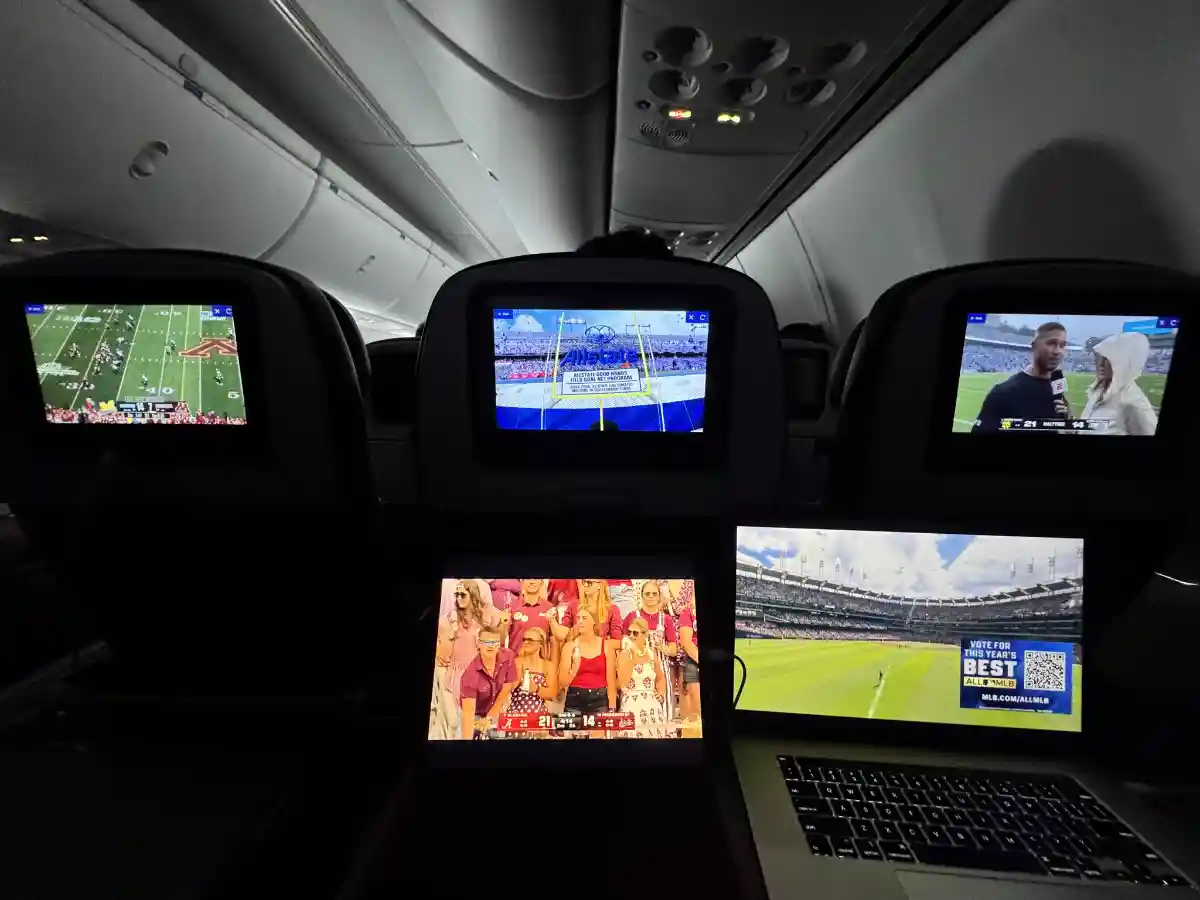
A United Airlines passenger recently found an unusually effective way to turn a routine flight into a college football viewing marathon, streaming five live games simultaneously while cruising at around 30,000 feet. Chase Snyder managed to secure an exit-row section largely to himself, giving him access to three seatback entertainment screens while United’s high-speed Starlink Wi-Fi powered two additional streams on his own devices.
The unusual setup quickly attracted attention after Snyder shared the experience on X. Thousands of users liked the post, and United Airlines itself highlighted the moment on social media. What might otherwise have been a private display of airline-seat luck became an effective demonstration of how dramatically inflight connectivity has changed the passenger experience.
United Passenger Streams Five Football Games At Once
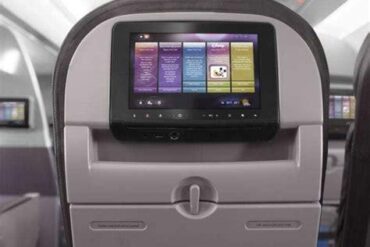
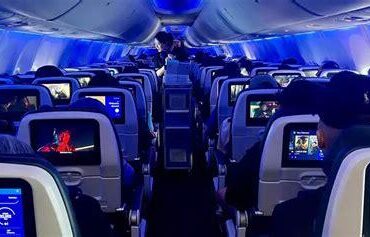
Snyder’s setup was made possible by an unusually favorable combination of seating and connectivity. He was assigned an exit-row seat, but the other seats on his side of the row were unoccupied. That meant he effectively had three seatback entertainment displays available instead of having to share the space with neighboring passengers.
Rather than stopping there, Snyder added a laptop and tablet positioned on the fold-down tray table. With the aircraft’s Starlink connection providing the necessary bandwidth, he was able to stream five football games simultaneously. Three games occupied the aircraft’s built-in screens, while the remaining two played on his personal devices.
The result was essentially a miniature sports control room in the cabin. For a dedicated college football fan, the arrangement offered something that would normally require multiple televisions at home, yet it was happening thousands of feet above the ground.
I’m very excited to announce that I pulled off an entire exit row to myself and have built the quintuplet box thanks to the beautiful invention of Starlink https://t.co/hyh21ewZEh
— Chase Snyder (@ChasingSnyder) October 3, 2026
Starlink Turns United’s Wi-Fi Into A Major Passenger Feature
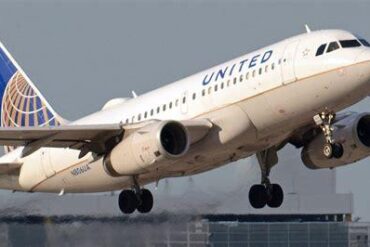
The spectacle also demonstrated why United Airlines has placed such a strong emphasis on Starlink. The Chicago-based carrier began introducing the satellite internet service on selected aircraft in March 2025 and has been steadily expanding its installation program.
United says Starlink can deliver speeds of up to 250 Mbps, making it dramatically more capable than many traditional inflight Wi-Fi systems. The service is also free for passengers, removing one of the biggest frustrations associated with streaming entertainment in the air: having to pay extra for a connection that may still struggle with demanding applications.
For passengers like Snyder, the difference is particularly obvious. Streaming one video can already expose weaknesses in conventional aircraft Wi-Fi. Streaming five live sporting events simultaneously is a much more demanding test, and his experience provided a highly visible example of what satellite connectivity can make possible.
United Plans Full Starlink Fleet Coverage By 2027
United’s Starlink rollout is continuing at a rapid pace. More than 450 aircraft were already equipped according to the airline’s second-quarter results, while the carrier expects more than 880 aircraft to have the technology installed by the end of 2026.
The latest target calls for the entire mainline fleet to receive Starlink by the end of 2027. United operates more than 1,100 aircraft, so completing that deployment would make the airline the first of the US Big Three carriers to offer the technology throughout its fleet.
Approximately a quarter of United’s daily departures already operate with the faster Wi-Fi, meaning the experience Snyder enjoyed is gradually becoming available to a much larger share of passengers.
United And American Bet On Starlink As Delta Takes Another Route
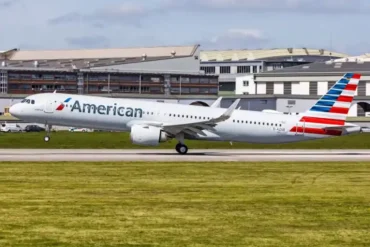
United is not alone in seeing satellite connectivity as a major part of the future inflight experience. American Airlines is also expanding Starlink across its fleet, moving beyond earlier plans that focused primarily on its Airbus aircraft.
Delta Air Lines has taken a different approach, choosing Amazon’s Leo satellite network instead. Delta has said its strategy will support higher bandwidth and additional services, including integration with Amazon Prime and other digital features.
The contrast highlights how inflight internet has evolved from a convenience into a competitive feature. United’s five-game passenger may have been an entertaining novelty, but the underlying technology is increasingly important. When passengers can reliably stream live sports, work online, make video calls and use cloud applications at cruising altitude, the aircraft’s internet connection becomes almost as important as its seatback entertainment system.
For Snyder, however, the technology had one immediate purpose: five football games at 30,000 feet. It was an unusually lucky seat assignment combined with a capable satellite connection, but it also offered a glimpse of what connected airline cabins could soon make completely ordinary.