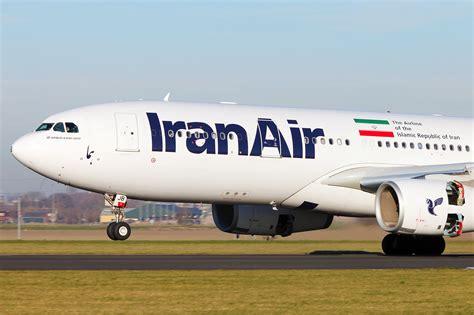
The United States is moving to pressure Iranian airlines far beyond the borders of Iran, threatening foreign airports, fuel suppliers, ground-service companies, and ticketing businesses with financial penalties if they continue supporting Iranian carriers. The measure is designed to make international operations increasingly difficult by targeting the network of services that allows an airline to fly abroad.
US Treasury Secretary Scott Bessent said on September 21 that Washington expected all Iranian airlines to be effectively shut out of international operations from September 23. Speaking to CNBC, Bessent warned that companies providing essential aviation services to Iranian aircraft could risk losing access to the US dollar financial system.
The threat represents a significant escalation in the use of economic sanctions against commercial aviation. Rather than attempting to physically prevent Iranian aircraft from crossing international borders, Washington is seeking to make their foreign operations commercially and financially difficult. The strategy depends heavily on whether airports and aviation companies around the world decide that maintaining Iranian business is worth the potential consequences.

How US Secondary Sanctions Could Ground Iranian Airlines
Iranian airlines depend on foreign airports for much more than a runway. An international flight requires jet fuel, landing arrangements, ground handling, passenger processing, ticketing, and other airport services. Removing several of these elements can quickly turn an otherwise technically possible flight into an impractical operation.
Bessent specifically warned that foreign companies should not refuel Iranian aircraft, provide landing services, or sell tickets for their flights. According to his comments, companies that continue assisting Iranian carriers could face exclusion from the dollar-based financial system.
That distinction is important. The United States does not directly control every foreign airport, and there is no general US authority that physically prevents an Iranian aircraft from landing in another sovereign country. Instead, secondary sanctions attempt to influence the decisions of foreign businesses by connecting their Iranian commercial activities with access to the US financial system.
For airlines, the potential consequences are substantial. A carrier may still possess aircraft, crews, maintenance facilities, and passengers, but international flying becomes much harder when foreign airports refuse fuel or handling support. The result could be a sharp reduction in Iranian international connectivity even without a formal worldwide flight ban.
Foreign Airports Face a Difficult Financial Choice
The policy puts airports and aviation-service providers in a complicated position. Iranian carriers serve markets where commercial, geographic, and political relationships can make continued air links important. At the same time, access to the US dollar system is crucial for many international businesses, making the possibility of sanctions a serious financial consideration.
Several countries have traditionally maintained significant aviation links with Iran, including Iraq, Turkey, Pakistan, and destinations across the Gulf and neighboring regions. Their governments and airport operators must now determine how to respond to Washington’s pressure.
The situation is already producing signs of disruption. Reuters reported on September 23 that Iraq had ordered the suspension of Iranian flights to Baghdad beginning that day, following the US threat against airports and service providers handling Iranian carriers.
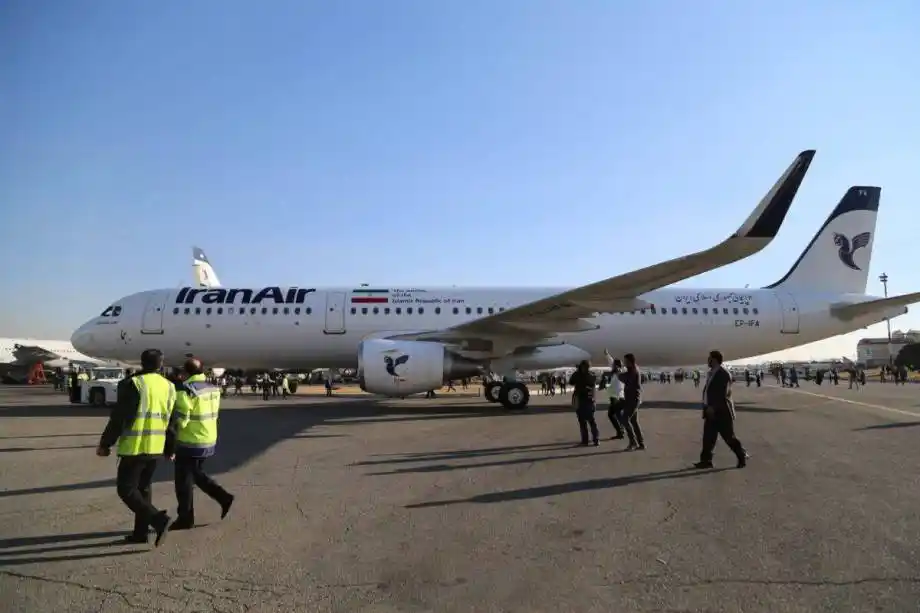
Other countries may take different approaches. Analysts cited by Al Jazeera said Iraq could seek an exemption because of its tourism and economic connections with Iran, while Pakistan and Turkey could face their own incentives to preserve aviation links. Turkey’s substantial trade and tourism relationship with Iran makes the question particularly significant.
China Rejects US Pressure on Iranian Aviation
The US strategy is also creating a broader diplomatic issue because not every major power accepts Washington’s approach to sanctions. China has publicly opposed the latest measures.
Chinese Foreign Ministry spokesperson Guo Jiakun said Beijing opposes what it described as unilateral sanctions lacking a basis in international law or authorization from the United Nations Security Council. His comments came as Washington was increasing pressure on Iran’s commercial aviation network.
The timing is notable because US and Chinese officials are simultaneously pursuing economic discussions. Bessent said Chinese financial authorities had been engaged in conversations about sanctions compliance, while Chinese officials have separately criticized the broader use of unilateral US sanctions. Reuters reported that Chinese President Xi Jinping is scheduled to meet US President Donald Trump on September 24.
This creates a complicated enforcement environment. If major aviation markets cooperate with Washington, Iranian carriers could lose much of their international network. If other governments resist, however, Iranian airlines could retain access to selected foreign destinations and continue operating through countries willing to provide services.
Iran’s International Flights Face an Uncertain Future
Iran has also indicated that its international aviation network has not simply disappeared. Iranian officials said on September 23 that international flights were continuing despite the US sanctions pressure.
That means the immediate outcome is likely to depend on how individual airports, fuel providers, banks, and governments respond to the American threat. The United States can impose financial consequences on companies within its sanctions reach, but the practical effectiveness of the campaign depends on international cooperation.
For Iranian airlines, the stakes are therefore much larger than access to individual airports. Losing reliable refueling, handling, ticketing, and financial services abroad could progressively reduce international operations and force carriers to concentrate more heavily on domestic flying.
The September 23 deadline marks an important test of Washington’s ability to use the global financial system as leverage over foreign aviation. Whether it produces a near-global grounding, a patchwork of suspended routes, or continued international operations through resistant countries will depend on decisions being made far beyond US borders.