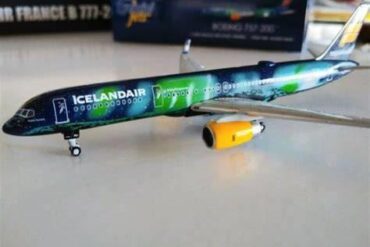
A veteran Icelandair captain who became the focus of a viral aviation video after conducting a low-altitude Boeing 757-200 flyover over his hometown has lost his pilot license for two years following an official investigation. The incident, which occurred during what was intended to be his final flight with the Icelandic flag carrier, raised serious concerns over operational safety and the responsibilities of commercial pilots.
The captain was operating an Icelandair Boeing 757-200 on April 11 when the aircraft passed over Vestmannaeyjar, a group of islands off Iceland’s southern coast. The location held personal significance for the pilot, as it was his hometown, and the flyover was reportedly intended as a farewell gesture before ending his career with the airline.
However, aviation authorities determined that the aircraft was flown below a safe altitude, creating unacceptable risks for the passengers, crew, and people on the ground. The Iceland Transport Authority and the Ministry of Infrastructure investigated the event and concluded that both pilots involved had acted negligently.
Unauthorized Farewell Flight Maneuver Sparked Aviation Safety Investigation
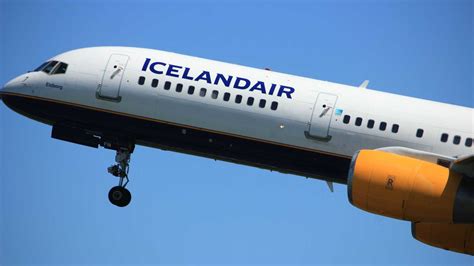
The Boeing 757-200 involved in the incident was operating Icelandair Flight from Frankfurt Airport to Keflavik International Airport with registration TF-ISR, an aircraft named Ketildyngja after a volcanic formation in Iceland. During the flight, the captain chose to divert the aircraft’s path over the Westman Islands, performing a low pass above the community.
Videos of the maneuver quickly spread across social media platforms, showing the aircraft flying unusually close to the terrain. Reports indicated that the aircraft descended to approximately 328 feet (100 meters) above ground level, a height far below normal commercial flight operating standards.
Although ceremonial flyovers are not uncommon in aviation, especially during retirement flights or final journeys for pilots, these events typically require careful planning, official approval, and strict adherence to safety procedures. Commercial aircraft carrying passengers cannot perform personal gestures that compromise established operating rules.
Residents in Vestmannaeyjar reported hearing significant engine noise and feeling vibrations as the aircraft passed overhead. While no accident occurred, authorities emphasized that the outcome did not reduce the seriousness of the decision-making involved.
The investigation found that the captain and first officer failed to meet expected professional standards. As a result, the captain received a two-year license suspension, while the first officer lost their license for 12 months. Both pilots have the option to appeal the decision.
Icelandair Responds After Pilot’s Final Flight Controversy
The incident also prompted an internal review by Icelandair, which confirmed that it had conducted its own investigation. The airline stated that internal investigation results remain confidential but emphasized that the purpose of such reviews is to improve aviation safety.
The company explained that safety recommendations would be considered following the findings. Icelandair also previously reported the matter to authorities, reflecting the airline’s responsibility to maintain strict operational standards regardless of a pilot’s experience or reputation.
The case attracted widespread attention partly because the captain was a highly experienced aviator. In commercial aviation, senior pilots often receive significant respect due to their years of service, knowledge, and leadership. However, aviation regulations apply equally to all pilots, regardless of experience level.
The decision highlights the industry’s strict approach toward unauthorized aircraft maneuvers. A moment intended as a memorable farewell became a reminder that even experienced professionals must balance personal emotions with operational discipline.
Boeing 757 Retirement Adds Significance To Icelandair Incident
The aircraft involved in the event also represents an important chapter in Icelandair’s aviation history. The airline has operated Boeing 757 aircraft for decades, using their range and efficiency to connect Iceland with destinations across Europe and North America.
The Boeing 757 has been a key part of Icelandair’s business model because of its ability to operate long-range flights from Keflavik International Airport while supporting the airline’s unique transatlantic network. Passengers traveling between continents have benefited from Icelandair’s connecting system, including stopover opportunities in Iceland.
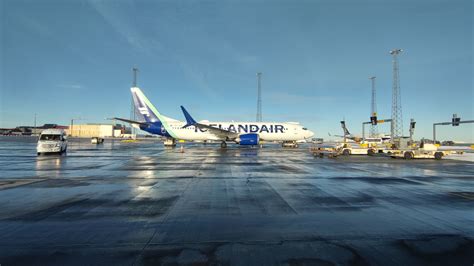
However, the airline is gradually replacing its Boeing 757 fleet with newer aircraft, including the Airbus A321LR and A321XLR. These next-generation narrow-body aircraft offer improved fuel efficiency while maintaining the range required for Icelandair’s international operations.
Icelandair currently has several Boeing 757-200 aircraft remaining in service, including TF-FIN, TF-ISR, TF-FIO, and TF-FIP. Each aircraft carries a unique Icelandic name connected to volcanoes and natural landmarks, reflecting the airline’s strong connection to the country’s geography.
Aviation Community Warns Against Risky Pilot Farewell Traditions
The incident has renewed discussion about farewell flights and ceremonial aviation traditions. Across the aviation industry, pilots and airlines often celebrate final flights with special announcements, water cannon salutes, or approved scenic routes. These traditions allow crews and passengers to mark important moments without affecting safety.
The Icelandair flyover demonstrates how quickly a symbolic gesture can become a serious regulatory issue when proper authorization is missing. Commercial aircraft operations depend on strict procedures because even experienced pilots can underestimate risks when emotions influence decision-making.
For Icelandair, the event comes during a period of fleet transition as the airline prepares for the retirement of its historic Boeing 757 fleet. For the captain involved, a career-ending flight intended to create a lasting memory instead resulted in professional consequences.
The case serves as a reminder that aviation safety standards exist for every flight, from routine commercial journeys to highly personal final trips. Experience is valuable, but adherence to procedures remains the foundation of safe airline operations.