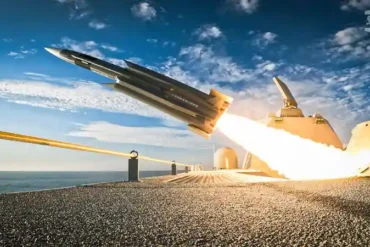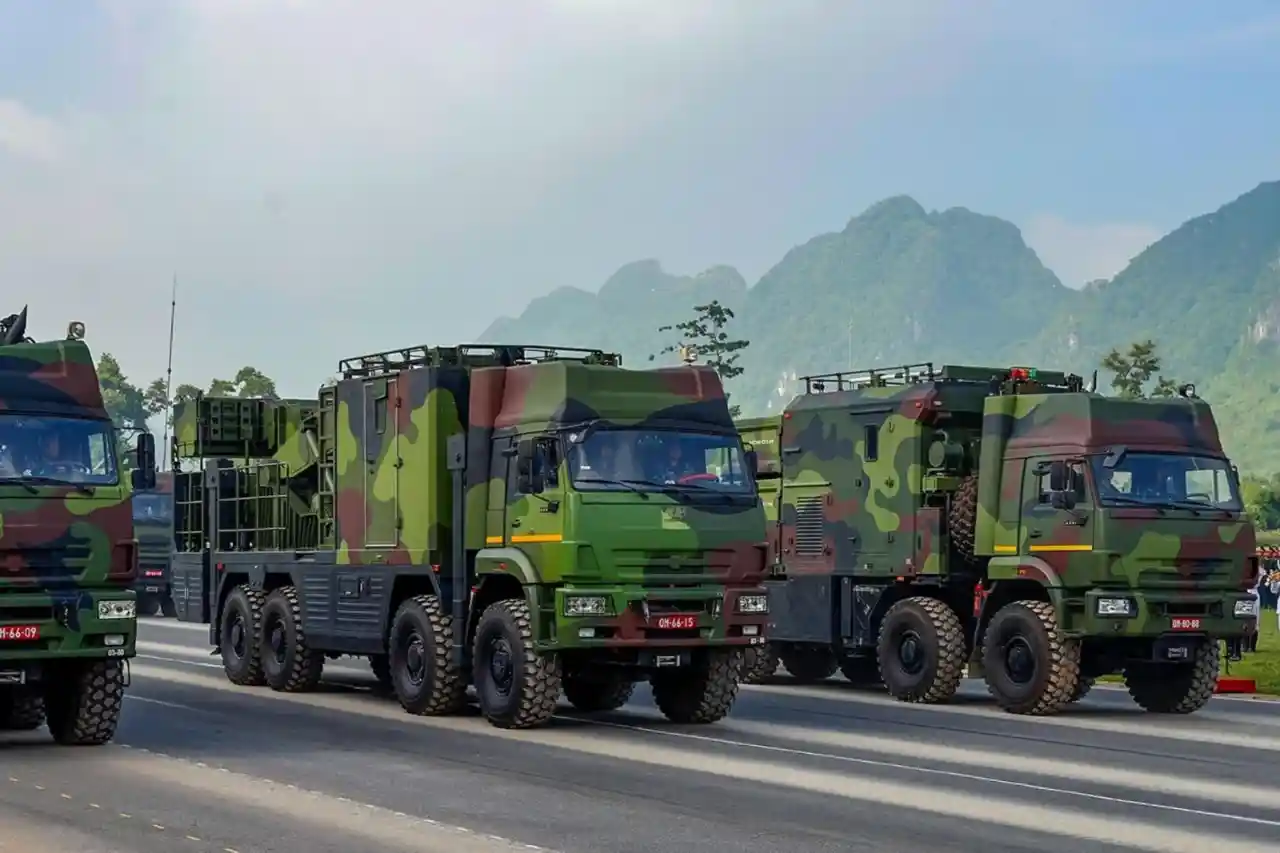
On the cusp of Vietnam’s 80th National Day celebrations, the country has unveiled a formidable new weapon designed to bolster its coastal defense in response to intensifying maritime tensions with China. During a massive military rehearsal held at the National Military Training Center No. 4 in Mỹ Đức, near Hanoi, Vietnamese state media introduced the VCM-B cruise missile system, a coastal defense variant of the indigenously developed VCM-01 anti-ship missile.
The event was part of a national campaign of military readiness and strategic signaling, involving over 15,600 troops and a wide range of combat systems, showcasing Vietnam’s evolving defense capabilities.
VCM-B: A Technological Milestone in Vietnam’s Missile Arsenal
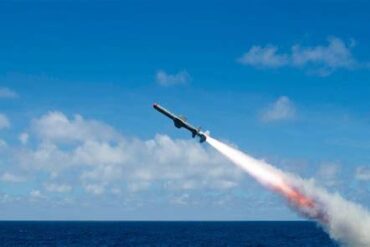
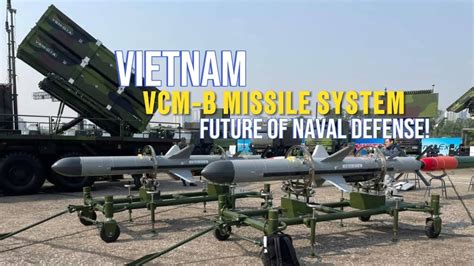
The VCM-B is a new entrant in the family of subsonic cruise missiles engineered by the Viettel Aerospace Institute (VTX). This latest missile is believed to be part of a broader strategy to develop long-range precision-guided munitions for coastal and land-based strike capabilities. According to Vietnamese defense analysts, the VCM-B system includes mobile launch platforms and long-range missile canisters capable of hitting both sea and land-based targets with an effective range of up to 300 kilometers.
Although detailed specifications remain classified, military observers have drawn parallels between the VCM series and Russia’s Kh-35E cruise missile, both in design and deployment philosophy. However, Hanoi has publicly insisted on the independent and domestic origin of the VCM-B system, underscoring its strategic emphasis on autonomy in defense production.
The integration of VCM-B into Vietnam’s defense portfolio marks a substantial leap forward from earlier missile platforms with limited range (80–100 kilometers). It now significantly expands Vietnam’s capacity to monitor and strike strategic targets along its 2,000-mile coastline, particularly in areas of the South China Sea, where territorial disputes with China persist.
South China Sea Tensions and Strategic Deterrence
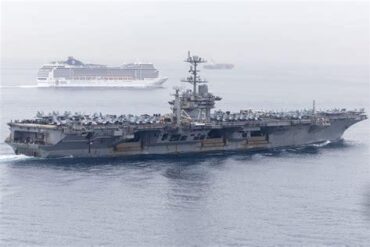
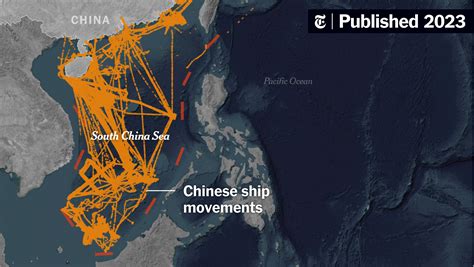
Vietnam’s recent missile unveiling must be seen against the backdrop of escalating geopolitical friction in the South China Sea, where China’s maritime assertiveness has triggered widespread alarm across Southeast Asia. Over the past decade, China has expanded its military presence by constructing artificial islands, installing radar systems, and deploying naval patrols near disputed zones claimed by Vietnam.
In response, Hanoi has quietly but consistently enhanced its defense posture. By showcasing the VCM-B during a nationally televised military event, Vietnam is signaling both its domestic population and foreign observers that it remains determined to maintain strategic deterrence and territorial sovereignty.
A Domestic Defense Industry on the Rise
The VCM-B cruise missile is not just a military asset; it’s a symbol of Vietnam’s defense industrial transformation. Spearheaded by Viettel Group, one of Vietnam’s largest and most technologically advanced conglomerates, the VCM-B reflects years of investment in aerospace research and missile engineering.
Viettel’s Viettel Aerospace Institute (VTX) has emerged as a pivotal player in shaping Vietnam’s self-sufficient military technology landscape. The move to domestically produce advanced missile systems reduces Vietnam’s historical reliance on Russian, Israeli, and Indian suppliers, while also providing greater control over maintenance, modernization, and tactical integration.
According to defense expert Lee Ann Quann, the VCM-01 series is likely available in multiple configurations:
- Short-range variants (80–100 km) for coastal skirmish and littoral defense
- Long-range variants (up to 300 km) for deep-strike deterrence against naval intrusions
The modular nature of the VCM platform enables adaptability for various combat scenarios, whether mounted on mobile land vehicles, coastal batteries, or even naval vessels in the future.
Vietnam’s Expanding Arsenal of Modernized Weaponry
The July 17 military exercise where the VCM-B was unveiled also served as a stage to exhibit Vietnam’s broader efforts in military modernization. The event featured:
- T-62 and T-90S tanks, symbolizing Vietnam’s legacy and new-generation armored forces
- Locally produced armored vehicles XCB-01 and XTC-02, signifying innovation in ground combat systems
- Self-propelled artillery units like the SU-122 and SU-152
- Multiple rocket launchers such as the BM-21
- Scud-B ballistic missiles with strategic value for area denial
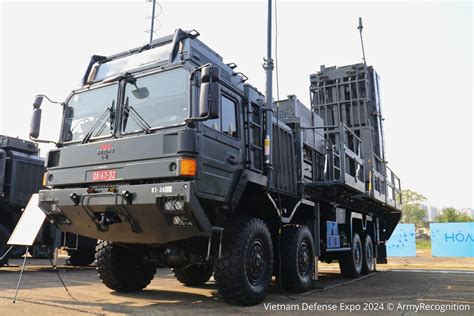
- Modernized S-125-VT and Israeli-made Spyder air defense systems
- Locally manufactured loitering munitions designed for ISR (intelligence, surveillance, reconnaissance) and precision strike missions
Together, this array reflects Vietnam’s balanced approach to building both asymmetric and conventional warfare capabilities.
Symbolic Power and Strategic Messaging
General Nguyễn Tân Cương, Chief of the General Staff of the Vietnam People’s Army, emphasized the dual purpose of the military showcase: reinforcing logistical readiness and delivering a powerful message ahead of the country’s first grand military parade in 40 years. The public rollout of VCM-B, along with Vietnam’s most advanced ground and air systems, is designed to resonate both domestically and internationally.
This carefully orchestrated demonstration aligns with broader state efforts to invoke the legacy of the August Revolution while conveying that Vietnam is not only commemorating the past but preparing resolutely for the future. The symbolic value of military independence resonates strongly in a country that won its sovereignty through decades of struggle.
Regional Implications and ASEAN Dynamics
Vietnam’s investment in indigenous missile capabilities like the VCM-B could reshape regional military balances, particularly within ASEAN. While most Southeast Asian nations have opted for imported missile systems, Vietnam is emerging as a unique player capable of designing and deploying strategic weapons with minimal foreign input.
This autonomy gives Hanoi more flexibility in regional defense diplomacy. It can support multilateral maritime cooperation without compromising national security policies or being overly dependent on any major power bloc, be it Russia, the United States, or China.
Moreover, the VCM-B could become a valuable asset in defense partnerships, either through joint exercises or limited technology sharing with trusted neighbors such as Indonesia, the Philippines, or Malaysia, all of whom share concerns over Chinese aggression.
Future Outlook: Toward a Self-Reliant Defense Doctrine
Vietnam’s cruise missile ambitions are not an isolated phenomenon but part of a long-term vision to become a self-reliant regional defense power. The production and deployment of the VCM-B system marks an evolution from Vietnam’s prior defense postures that largely depended on legacy Soviet systems.
Looking ahead, defense analysts anticipate the following developments:
- Enhanced integration of missile systems with Vietnam’s coastal surveillance and naval command
- Expansion into air-launched cruise missile platforms, potentially enabling strike capabilities from Vietnam’s Su-30MK2 fighter jets
- Development of electronic warfare suites and multi-domain control centers to improve targeting precision and real-time battlefield awareness
- Greater incorporation of AI-assisted reconnaissance drones to work in tandem with missile batteries
Such a trajectory would align Vietnam with other regional powers like South Korea and Taiwan, which have also embraced a homegrown defense-industrial approach to deter large adversaries without direct escalation.
Conclusion: A Message Cast in Steel and Precision
The unveiling of the VCM-B coastal cruise missile is far more than a ceremonial showcase; it is a strategic declaration. Vietnam is signaling its ability and will to defend its maritime claims with homebuilt, high-precision strike systems that extend its reach and bolster its deterrent posture.
In a region teetering between competition and conflict, the presence of long-range indigenous cruise missiles along Vietnam’s coast sends a message louder than any diplomatic communique: Vietnam is prepared to defend its sovereignty with precision, independence, and resolve.