Kirtland Air Force Base, located in Albuquerque, New Mexico, stands apart from traditional U.S. military installations. Instead of being dominated by fighter squadrons or heavy bomber fleets, this base operates at the intersection of experimentation, national security, and specialized missions. Spanning over 50,000 acres, it serves as a critical hub for nuclear operations, advanced weapons testing, and elite rescue training, shaping an aircraft inventory that is as unconventional as its mission profile.
At the heart of Kirtland’s operations is the 377th Air Base Wing, which oversees a wide range of responsibilities tied to the U.S. Air Force’s nuclear enterprise. This mission alone influences the type of aircraft stationed here—favoring versatility, adaptability, and specialized capabilities over sheer numbers. Rather than maintaining a static fleet, Kirtland often hosts aircraft tailored to evolving programs, including experimental platforms and systems designed for cutting-edge warfare technologies such as directed energy and missile defense.
The base’s aviation identity becomes clearer through the presence of the 58th Special Operations Wing, a unit deeply embedded in Combat Search and Rescue (CSAR) and special operations training. This wing operates a diverse collection of aircraft that emphasize survivability, endurance, and multi-role performance in high-risk environments. Unlike conventional combat units, the 58th focuses on preparing crews for complex missions where recovery, extraction, and precision support are paramount.
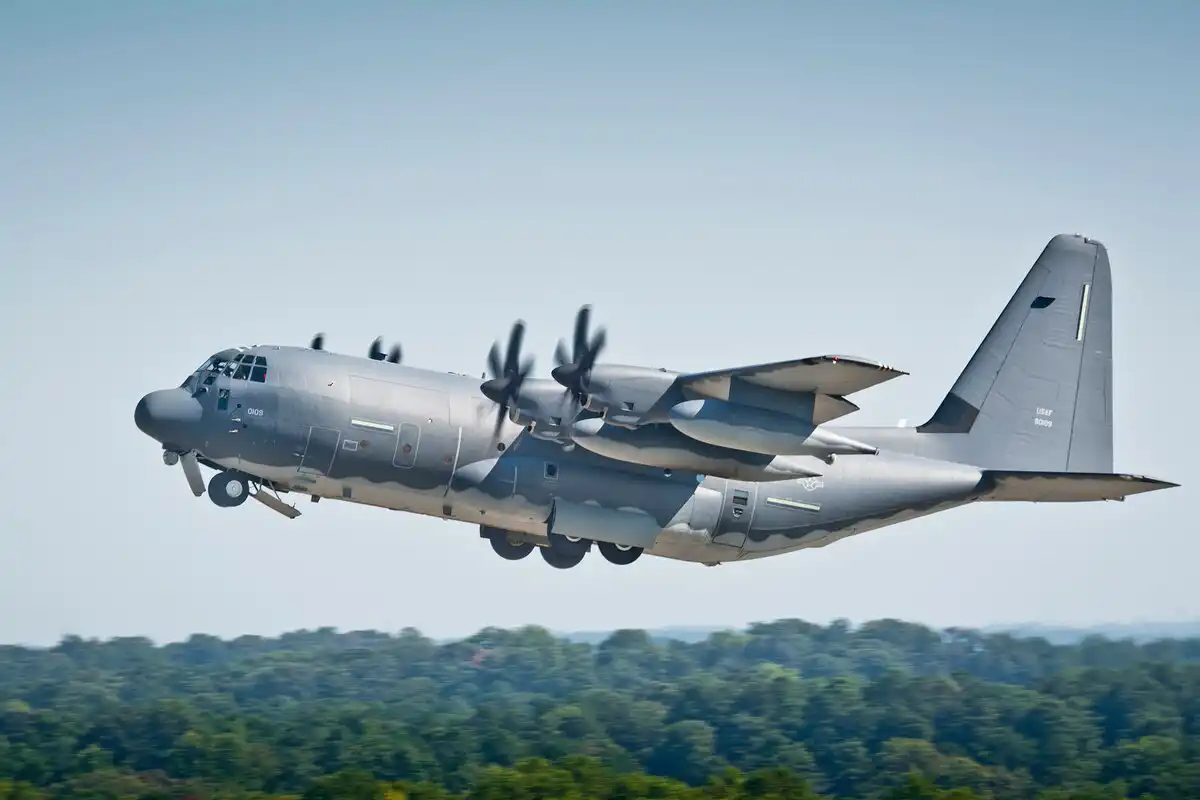
Among its most important assets is the HC-130J Combat King II, a long-range rescue aircraft designed to locate and refuel helicopters during CSAR missions. Its ability to extend the reach of rescue operations makes it indispensable in hostile or remote regions.
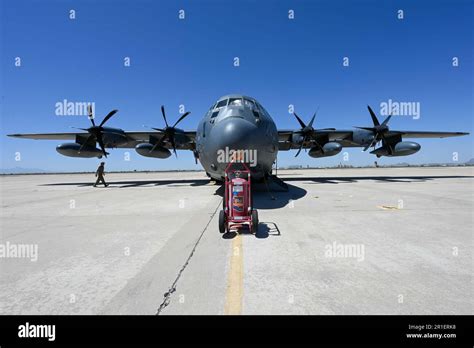
Complementing this role is the MC-130J Commando II, a highly adaptable platform used for infiltration, exfiltration, and aerial refueling. Its precision navigation and low-level flight capabilities allow it to operate in environments where conventional aircraft cannot.
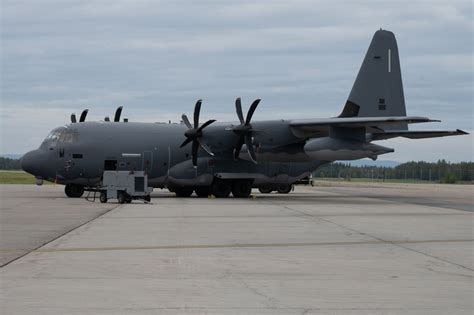
Equally striking is the presence of the AC-130J Ghostrider, a heavily armed gunship often referred to as the “Angel of Death.” Equipped with powerful cannons and precision-guided munitions, it provides close air support for ground forces, particularly during rescue operations or special missions. Its loitering capability and overwhelming firepower make it one of the most formidable aircraft in Kirtland’s inventory.
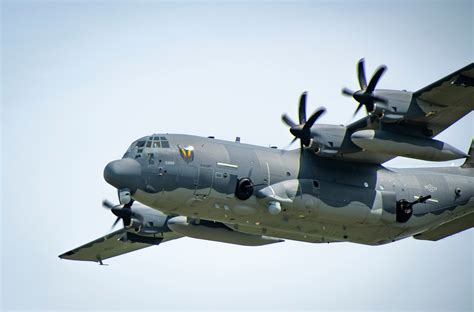
Helicopter operations further define the base’s versatility. The HH-60W Jolly Green II serves as a dedicated combat rescue helicopter, built to recover personnel under fire.
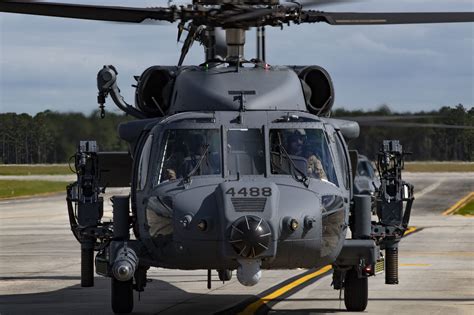
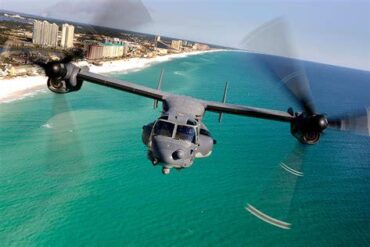
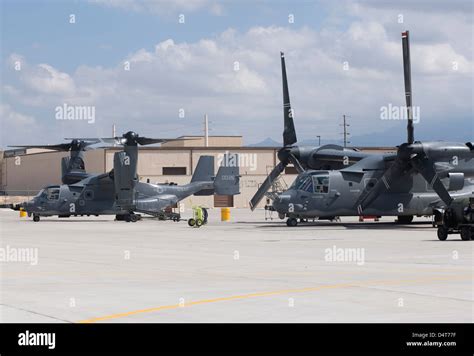
Alongside it, the CV-22 Osprey introduces a unique tiltrotor capability, combining the vertical lift of a helicopter with the speed and range of a fixed-wing aircraft. This hybrid design allows rapid deployment across vast distances, a critical advantage in time-sensitive missions.
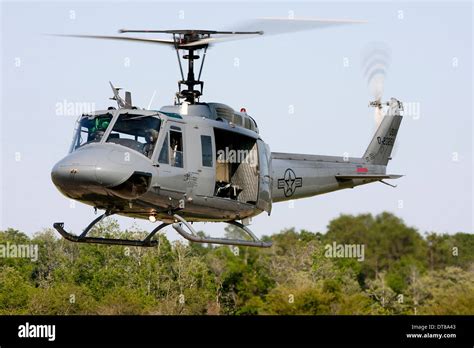
Supporting roles are filled by aircraft like the UH-1N Huey and its training counterpart, the TH-1H Huey II, which are used for utility missions and pilot instruction.
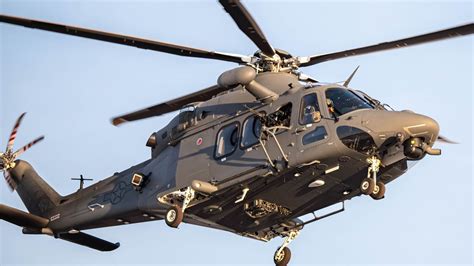
Meanwhile, the MH-139 Grey Wolf represents a newer addition, tasked with protecting intercontinental ballistic missile fields and transporting security forces with enhanced speed and reliability.
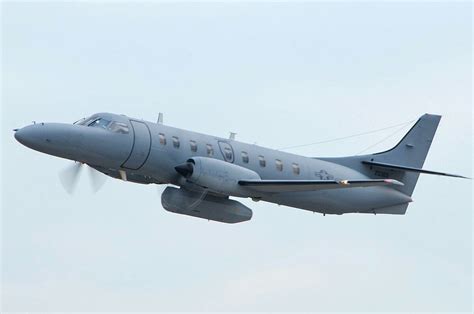
The 150th Special Operations Wing contributes additional capability through the C-26 Metroliner, a smaller aircraft used for logistical and support operations. Though less prominent, it plays a crucial role in maintaining operational efficiency across the base.
Kirtland Air Force Base may lack the visual spectacle of fighter-heavy installations, but its aircraft tell a more compelling story—one of precision, adaptability, and mission-driven innovation. Each platform is carefully chosen not for dominance in the skies, but for excellence in the most demanding and specialized operations the Air Force undertakes.