In the fiercely competitive world of American commercial aviation, United Airlines, American Airlines, and Delta Air Lines—collectively known as the “Big 3″—have each cultivated massive fleets that span thousands of aircraft. While these carriers have been active in modernizing their fleets with the latest fuel-efficient and passenger-centric models, a few venerable workhorses have managed to endure the test of time. These legacy aircraft, some flying well past their 30th birthday, reflect not only the engineering prowess of their manufacturers but also the evolving operational strategies of each airline.
American Airlines: The Airbus A320-200 Legacy Lives On
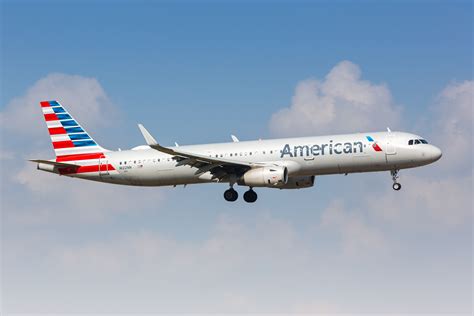
At American Airlines, the oldest aircraft still in active service is the Airbus A320-200. With 48 aircraft still flying under its banner, the average age of these jets hovers around 24 years, with some nearing 28 years in operation. Their roots trace back to US Airways, which merged with American in 2013, bringing in a large fleet of A320s that had become the backbone of US Airways’ domestic operations.
Following the merger, these aircraft were integrated into American’s network, primarily operating short-to-medium haul domestic routes. Unlike widebodies that traverse transcontinental or international routes, the A320s typically handle high-frequency sectors between key hubs and major cities such as Dallas/Fort Worth (DFW), Charlotte (CLT), and Phoenix (PHX).
American has made substantial investments in fleet modernization, including orders for Boeing 737 MAX, Airbus A321neo, and 787 Dreamliners, signaling a slow but steady retirement trajectory for its older A320-200s. Still, these aging narrowbodies have earned their place in history, having served reliably during periods of fleet consolidation, economic turbulence, and record-breaking travel demand.
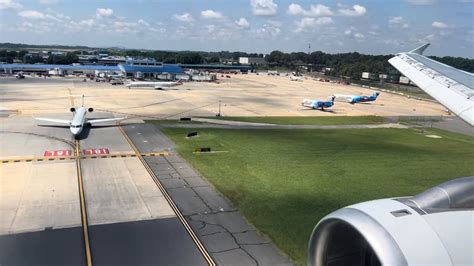
United Airlines: The Boeing 767-300ER, A Workhorse From a Different Era
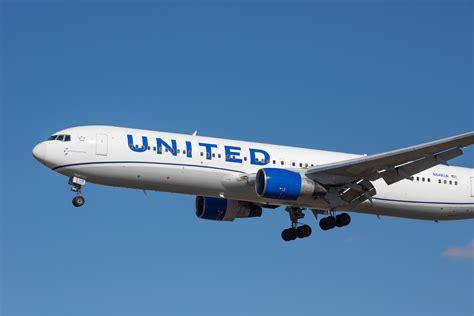
Among United’s fleet, the Boeing 767-300ER stands out as the most seasoned aircraft still flying. With 37 units still in operation, this widebody jet averages 29 years of age. The oldest among them, tail number N641UA, has been airborne since 1990, amassing over three decades of transcontinental and international service.
Initially introduced to meet growing demand for medium to long-haul routes, the 767-300ER became a staple of United’s domestic premium transcontinental flights (such as Newark–San Francisco) and international services to Europe, South America, and Hawaii. Despite its age, the aircraft remains a versatile platform, especially with cabin retrofits offering flat-bed business seats and modern in-flight entertainment systems.
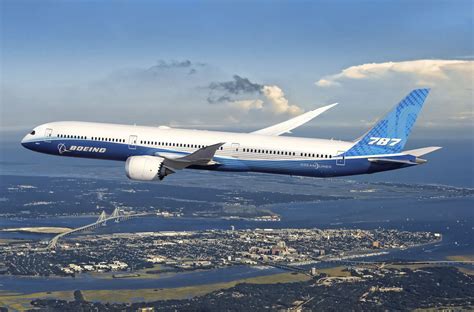
However, its twilight years are clearly visible. United has announced plans to replace the 767 fleet with up to 200 Boeing 787 Dreamliners, citing superior fuel efficiency, reduced carbon emissions, and a better overall passenger experience. This decision marks the largest Dreamliner order in aviation history and reflects United’s long-term strategy to rejuvenate its widebody operations while optimizing cost and sustainability.

Delta Air Lines: A Stalwart of the Skies, the 767-300ER Still Endures
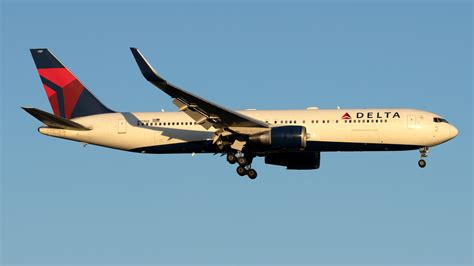
Delta Air Lines shares a similar story with United when it comes to their oldest aircraft. With 40 Boeing 767-300ERs still flying, the fleet averages just over 30 years in age, with the most senior aircraft exceeding 35 years. For decades, this model has formed the core of Delta’s intercontinental service, particularly from its Atlanta (ATL), New York-JFK, and Seattle (SEA) hubs.
These jets have weathered the transition from the pre-9/11 travel boom to the post-pandemic resurgence in global mobility. Known for their reliability, Delta’s 767s were mainstays on routes to Europe, South America, and Asia, though they have increasingly taken on domestic coast-to-coast missions in recent years as their international duties are taken over by newer aircraft.
Delta is actively phasing out its 767s in favor of Airbus A330-900neos and A350-900s, both offering significant advancements in fuel economy, range, and passenger comfort. This transition aligns with Delta’s broader sustainability goals and its push to become a net-zero emissions carrier by 2050. Yet, the 767 remains an icon of Delta’s operational resilience, having carried millions of passengers safely across continents for more than three decades.
Engineering Durability and Operational Necessity
Why do these aging aircraft remain in service, especially given the availability of newer, more efficient jets? The answer lies in the interplay of engineering reliability, economic optimization, and fleet flexibility. Aircraft like the Airbus A320 and Boeing 767 were built during a golden era of commercial aviation engineering. With proper maintenance and regular retrofits, these planes can easily surpass 30 years of service life, all while remaining structurally sound and operationally viable.
For airlines, extending the lifecycle of such aircraft offers cost advantages, especially when weighed against the capital expenditures of new purchases. While newer aircraft offer better fuel burn and reduced emissions, the cost savings from operating a fully depreciated but still serviceable airframe can be compelling—particularly on routes with stable demand and moderate range requirements.
Cabin Retrofits: Giving Old Jets a Modern Feel
One of the key reasons passengers rarely notice the age of these aircraft is due to cabin refurbishments. Airlines have invested millions into upgrading the interiors of their oldest aircraft with:
- LED lighting systems
- New lavatories and galley equipment
- Slimline seats to optimize space
- Modern IFE systems with touchscreens and streaming options
These updates bring the in-flight experience in line with that of newer jets, making the age of the airframe largely irrelevant to the passenger’s perception—until, perhaps, they encounter some of the quirks of older aircraft like noisy air circulation, creaky fuselages, or dated overhead bins.
Retirement on the Horizon
Despite their legacy, all of these aircraft have their sunset firmly in view. United’s aggressive move toward an all-Dreamliner widebody fleet signals an industry-wide shift, one echoed by Delta and American through their commitments to Airbus and Boeing’s newest models. The fleet compositions of tomorrow will be increasingly dominated by:
- Boeing 787-9 and 787-10
- Airbus A350-900 and A330-900neo
- Narrowbody replacements like the A321XLR and 737 MAX series
As the industry confronts mounting environmental pressures, economic headwinds, and operational complexity, the push for younger, smarter fleets becomes both a financial imperative and a brand necessity. The next generation of aircraft promises lower carbon footprints, better integration with digital systems, and greater reliability, marking the end of an era for some of aviation’s longest-serving giants.
Final Approach: A Salute to Longevity in the Sky
As the oldest active aircraft in the fleets of the Big 3 US carriers edge toward retirement, they leave behind more than just a gap on the tarmac. These aircraft symbolize endurance, adaptability, and the evolving demands of a global air travel ecosystem. Their longevity is a testament to aerospace engineering at its finest and airline strategy at its sharpest.
Whether it’s the humble A320 at American Airlines, the long-legged 767s at United and Delta, or the sophisticated jets waiting in the wings to take their place, each aircraft tells a story of a business constantly in motion, chasing efficiency while honoring its past. With each passing year, these flying veterans edge closer to becoming part of aviation history, even as they continue to carry passengers across continents, one takeoff at a time.