Understanding what a pattern flight is demands a deep dive into one of aviation’s most fundamental operational frameworks — the traffic pattern. Often referred to as a circuit, this standardized flight route governs how aircraft maneuver around airports during takeoff, landing, and touch-and-go operations. These patterns are not arbitrary but are designed for maximum safety, order, and efficiency, especially in environments with mixed aircraft capabilities and traffic volumes.
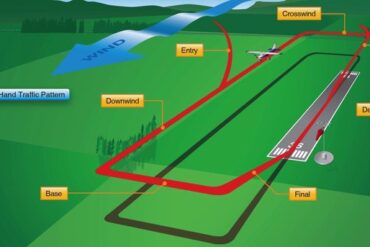
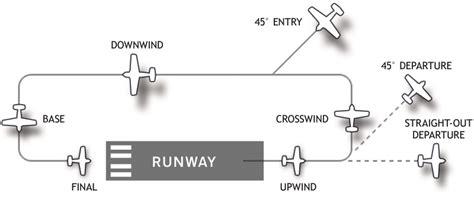
At its core, a pattern flight revolves around a rectangular or oval flight path comprised of distinct legs. These legs include the entry point, downwind leg, base leg, and final approach leg, each of which serves a highly specific function. Understanding these elements is crucial not only for pilots but also for air traffic controllers, flight instructors, and aviation regulators, all of whom depend on a harmonized airspace.
The primary objective of pattern flights is to ensure safe, predictable aircraft movement within the vicinity of an airport. By adhering to this structure, pilots can maintain visual separation, coordinate with ground control, and prepare for the complexities of landing or departure in an organized manner.
The Core Components of a Pattern Flight
The anatomy of a flight pattern reveals a balance between geometry, aerodynamics, and aviation protocol. Each leg serves as a building block for coordinated air traffic around an airport, especially non-towered fields where visual flight rules (VFR) predominate.
Entry and Integration
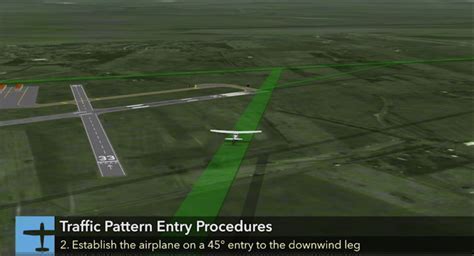
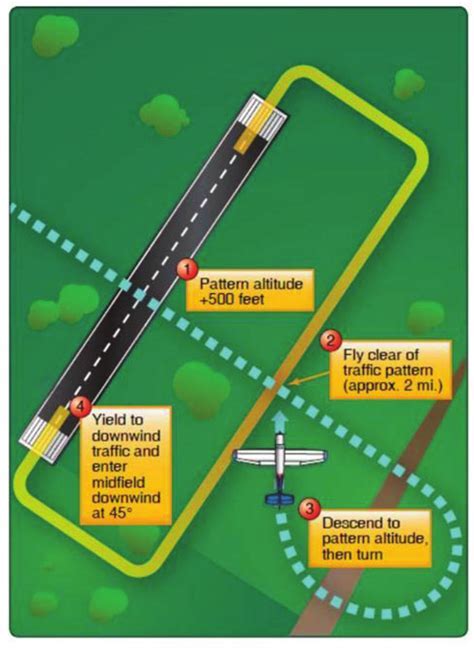
Aircraft usually enter the traffic pattern at a designated entry point — typically at a 45-degree angle to the downwind leg, ensuring pilots have both visibility and spacing. The entry altitude is also pre-specified to prevent conflicts with inbound or outbound aircraft. By following this entry route, pilots seamlessly integrate into active patterns without disrupting ongoing operations.
This point of entry also requires high situational awareness. Pilots must monitor airspace congestion, cross-check navigation aids, and remain in constant communication with the control tower or through Common Traffic Advisory Frequency (CTAF) where applicable.
Downwind Leg
The downwind leg is flown parallel to the runway, but in the opposite direction of landing or takeoff. It allows pilots to prepare for final alignment and configuration, including adjusting altitude, deploying flaps, and confirming landing clearance.
Importantly, it is during the downwind leg that aircraft spacing is monitored closely. Pilots observe aircraft ahead, maintaining visual contact to ensure separation. The pilot’s positioning here determines how smoothly the transition to base and final approach occurs.
Base Leg
Transitioning from the downwind leg, the base leg is flown perpendicular to the runway. This critical maneuver aligns the aircraft for the final approach turn. It provides an opportunity to reduce airspeed, finalize descent rates, and visually confirm runway alignment.
The geometry of the base leg is especially crucial. If it’s too short or too long, the final turn could become unstable, risking overshoot or undershoot scenarios, both of which are safety concerns during landing phases.
Final Approach Leg
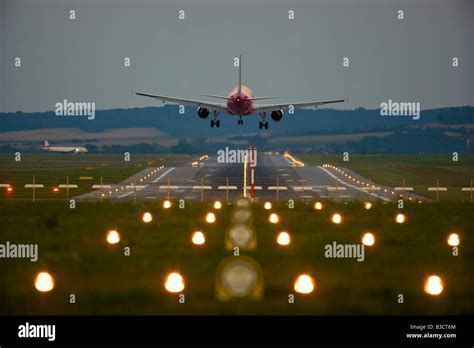
The most intense segment of the pattern, the final approach leg involves aligning the aircraft with the runway centerline. All flight parameters — speed, altitude, descent rate, and heading — must be perfectly managed. This is where touch-and-go landings, full-stop landings, or go-arounds are executed based on pilot decisions or ATC commands.
The final leg is heavily scrutinized during pilot training as it demands maximum precision. Even slight miscalculations can lead to unstable approaches, forcing last-minute corrections or full aborted landing procedures.
Altitude and Vertical Separation in Pattern Flight
One of the most crucial safety mechanisms in a traffic pattern is the pattern altitude. This altitude is typically 1,000 feet above ground level (AGL) for most general aviation aircraft. Maintaining this altitude ensures vertical separation between aircraft entering, exiting, or maneuvering within the pattern.
Aircraft of different classes or performance levels (e.g., gliders, helicopters, ultralights) may operate at different pattern altitudes to maintain deconfliction. For example, helicopters often use a lower pattern or a separate pattern altogether. This stratification minimizes risk and enhances predictability.
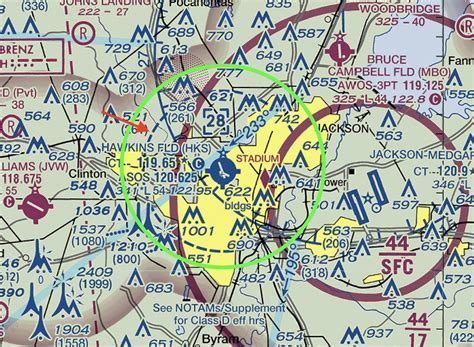
Airport-specific procedures, published in Aeronautical Information Publications (AIP) or Sectional Charts, outline these altitude and entry procedures. Pilots are expected to study and adhere to these guidelines meticulously.
Standard vs. Non-Standard Patterns
The standard traffic pattern direction is left-hand, meaning all turns are made to the left. However, some airports — due to terrain, obstructions, noise abatement, or military operations — may use right-hand patterns.
Patterns also differ by:
-
Runway configuration (e.g., parallel runways)
-
Controlled vs. uncontrolled airports
-
Instrument flight rules (IFR) procedures overlapping VFR patterns
Despite these differences, the goal remains consistent: to standardize aircraft behavior around the airport and prevent erratic movement.
Enhancing Safety Through Predictability
One of the most notable advantages of pattern flight is its contribution to mid-air collision avoidance. By offering a predictable flight path, it allows pilots and air traffic controllers to anticipate aircraft positioning.
Key safety benefits include:
-
Predictable sequencing: Pilots can visually locate and follow other aircraft.
-
Improved communication: Set positions (e.g., “turning base”, “on final”) provide concise position reports.
-
Separation assurance: Staggered entries and fixed altitudes prevent convergence.
Additionally, emergency response and go-around protocols are easier to implement when aircraft movements follow standard expectations. These practices contribute to the overall risk mitigation strategy embraced by civil aviation authorities.
Traffic Patterns as Training Tools
For student pilots, mastering pattern flying is a rite of passage. It is in these patterns that they perform initial takeoff, landing, and go-around maneuvers, learning to handle their aircraft under both calm and challenging conditions.
Pattern work also trains:
-
Situational awareness by observing other traffic
-
Radio communication proficiency with ATC or CTAF
-
Aircraft configuration and speed control
Instructors often use pattern flying to diagnose pilot weaknesses. Sloppy turns, altitude deviations, or poor airspeed management reveal broader training gaps that can be addressed early.
Integration with Modern Airspace Management
With the evolution of NextGen airspace systems, pattern flight procedures are being harmonized with automated ATC systems, ADS-B tracking, and satellite-based navigation. Although primarily a VFR procedure, patterns are increasingly adapted into controlled airspace models, ensuring that general aviation integrates smoothly into busier environments.
Even drones and UAVs now follow modified traffic patterns when operating in shared airspace with manned aircraft. These adaptations illustrate the resilience and adaptability of this foundational flight concept.
Conclusion
The pattern flight represents far more than just a rectangular route around an airport — it is a cornerstone of aviation safety and order. From training fields to busy Class D airports, traffic patterns ensure that aircraft operate within a framework of predictability, efficiency, and communication.
Understanding how to enter, navigate, and exit the pattern correctly is a vital skill for pilots of all levels. With aviation technology and traffic volumes evolving, the fundamental principles of pattern flying remain timeless in their contribution to airspace safety.
FAQs
What altitude should I fly in a traffic pattern?
Most general aviation aircraft operate at 1,000 feet AGL in the traffic pattern. However, helicopters and other specialized aircraft may use 500 feet AGL or custom altitudes depending on airport procedures.
Do all airports use the same traffic pattern direction?
No. While most airports use left-hand traffic patterns, some airports may designate right-hand patterns due to terrain, airspace restrictions, or operational needs. Always consult the airport facility directory or sectional chart.
Can IFR flights use the traffic pattern?
Yes, IFR aircraft may transition through or join a VFR traffic pattern, especially in mixed-use airports. However, they typically follow published instrument approach procedures and are under ATC control, unlike VFR traffic operating under see-and-avoid principles.