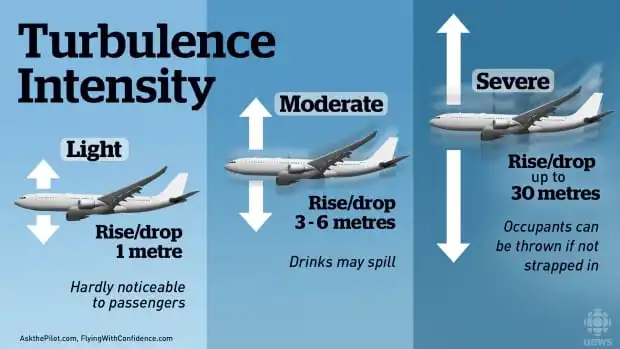
Severe turbulence remains one of the most misunderstood aspects of air travel, especially among passengers. In aviation, turbulence is classified professionally and federally, with precise definitions far removed from the emotional interpretations often made by those seated in the cabin. In this article, we delve deep into what constitutes severe turbulence, how commercial pilots define and experience it, and what their real-world encounters reveal.
Understanding Severe Turbulence: The Official Definition
Severe turbulence, according to the Federal Aviation Administration (FAA), involves large, abrupt changes in altitude or attitude, causing significant variations in indicated airspeed. During such conditions, an aircraft may become momentarily out of control, and occupants not secured by seatbelts can be violently forced against their restraints.
It is crucial to note that ‘momentarily’ typically refers to very brief durations — often no longer than 5 to 10 seconds. This distinguishes aviation turbulence from, say, hydroplaning in automobiles, which can last longer and lead to catastrophic loss of control.
Pilot Experiences: Rare but Memorable Encounters
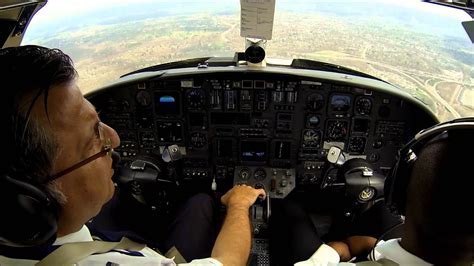
Among seasoned commercial pilots with tens of thousands of flight hours, true encounters with severe turbulence are extraordinarily rare. For instance, a veteran airline pilot with over 24 years and 20,000+ hours in the cockpit reported experiencing severe turbulence only three times — once each in a Dash 8-200, an Airbus A320, and an Airbus A220.
During these rare events, the standard cockpit procedure is immediate:
- “Flight attendants be seated immediately” is the first command.
- A candid internal acknowledgment, “This sucks,” follows.
- Rapid coordination with air traffic control to request altitude changes seeks smoother conditions.
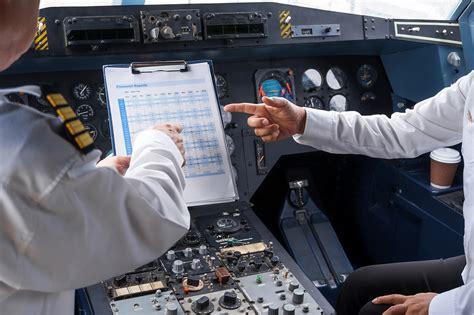
The primary concern for pilots during severe turbulence is passenger and crew safety. Ensuring that everyone is secured and minimizing movement becomes the top priority.
Passenger vs. Pilot Perception: A Crucial Distinction
Most passengers misinterpret turbulence severity, perceiving moderate turbulence as severe. According to a meteorologist participating in the discussion, turbulence felt by passengers is often perceived 1–2 categories higher than it objectively is.
An airline pilot emphasized that even a single violent jolt — causing unbelted passengers to strike the ceiling — could still fall under moderate turbulence if the aircraft remains in controlled flight. Severe turbulence is strictly defined by the effect on the aircraft’s stability, not merely passenger discomfort.
Notable Anecdotes: Real-World Severe Turbulence Cases
One vivid pilot account recounted an incident where, during a bout of severe turbulence, a flight attendant witnessed an extraordinary phenomenon. A cup of water, upon the aircraft’s sudden movement, rose from its cup, floated in midair, shifted slightly, and then splat — collapsed onto the cabin floor without spilling on her. This instance reflects the gravity-defying moments that can occur when an aircraft experiences severe vertical shifts.
Such moments, while awe-inspiring, underline the physical forces at play during these brief, extreme encounters.
Airframe Matters: Aircraft Response to Turbulence
Pilots uniformly agree that modern commercial aircraft — whether Airbus or Boeing — are designed to withstand turbulence far beyond what they typically encounter. Discussions revealed no significant difference in turbulence handling between the two manufacturers.
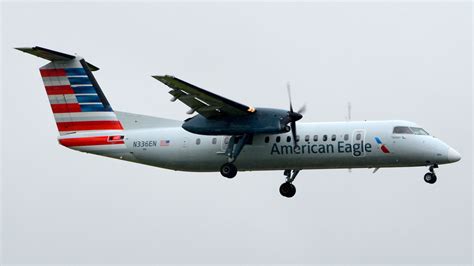
Certain aircraft, like the Dash 8, are often praised for their robust performance in turbulent conditions. Designed with stronger frames and superior low-speed handling characteristics, regional turboprops like the Dash 8 can deliver a smoother ride when piloted by experienced crews.
The Rarity of Severe Turbulence Events
Data shared by multiple pilots reinforces the rarity of severe turbulence:
- One pilot noted encountering severe turbulence twice in 18 years.
- Another mentioned three instances across 12,000+ flights.
- Several pilots with over 2,000 hours of flying reported never experiencing severe turbulence.
This underscores the truth: while moderate turbulence is relatively common, severe turbulence is a statistical anomaly in commercial aviation.
Out of Control? What It Really Means
When pilots describe an aircraft as “momentarily out of control” during severe turbulence, it does not equate to imminent disaster. Instead, it reflects temporary deviations from stable flight parameters — abrupt, uncontrollable movements lasting a few seconds before pilots regain control.
Training for these conditions is rigorous and standardized, ensuring that pilots remain prepared to respond correctly. Unlike the prolonged hydroplaning of a car, an aircraft encountering severe turbulence briefly “slides” through unstable air, only to stabilize shortly thereafter.
Military vs. Commercial Aviation: Different Risk Profiles
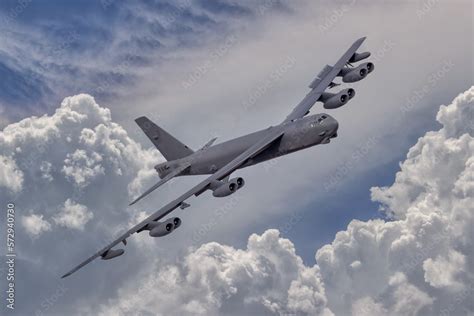
Military pilots tend to encounter more aggressive turbulence due to mission demands and different risk tolerances. For instance, a B-52 bomber pilot described severe turbulence as a “shit-kicking good time,” indicating the rugged handling and less risk-averse nature of military operations.
In contrast, commercial airlines actively avoid high-risk turbulence zones, relying on meteorological data, pilot reports (PIREPs), and predictive software to plan safe, comfortable routes for passengers.
Extreme Turbulence: A Theoretical Risk Only
While severe turbulence is rare, extreme turbulence — the category above severe — is virtually unheard of in commercial aviation. Encountering extreme turbulence would typically require flying through phenomena like a supercell thunderstorm, an event commercial pilots are meticulously trained to avoid.
Pilots unanimously agree: encountering extreme turbulence in commercial flight is so unlikely that most will never face it over their entire careers.
Key Takeaways for Nervous Flyers
- Severe turbulence is extremely rare and occurs far less frequently than many believe.
- Aircraft are built to endure even severe turbulence without structural failure.
- Pilots are highly trained to manage brief periods of severe turbulence safely.
- Passenger perception often exaggerates the severity of turbulence.
Understanding these facts can greatly alleviate anxiety and restore confidence in the resilience of both pilots and aircraft.
Conclusion: Severe Turbulence – Real but Rare and Manageable
In conclusion, while severe turbulence is a real meteorological phenomenon, it remains exceptionally rare in the commercial aviation world. Thanks to modern engineering, advanced weather forecasting, and highly trained flight crews, the odds of encountering such conditions — and experiencing them unsafely — are minuscule.
Rather than fearing turbulence, passengers can take comfort in the professionalism and preparedness of the airline industry. The sky may occasionally shake the airplane, but the hands guiding it are steady, skilled, and supremely capable.