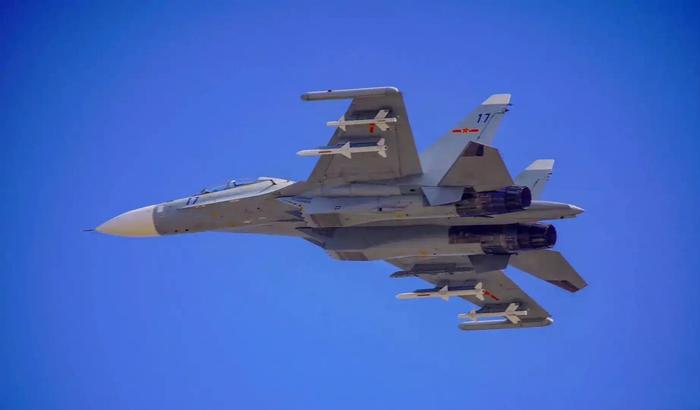
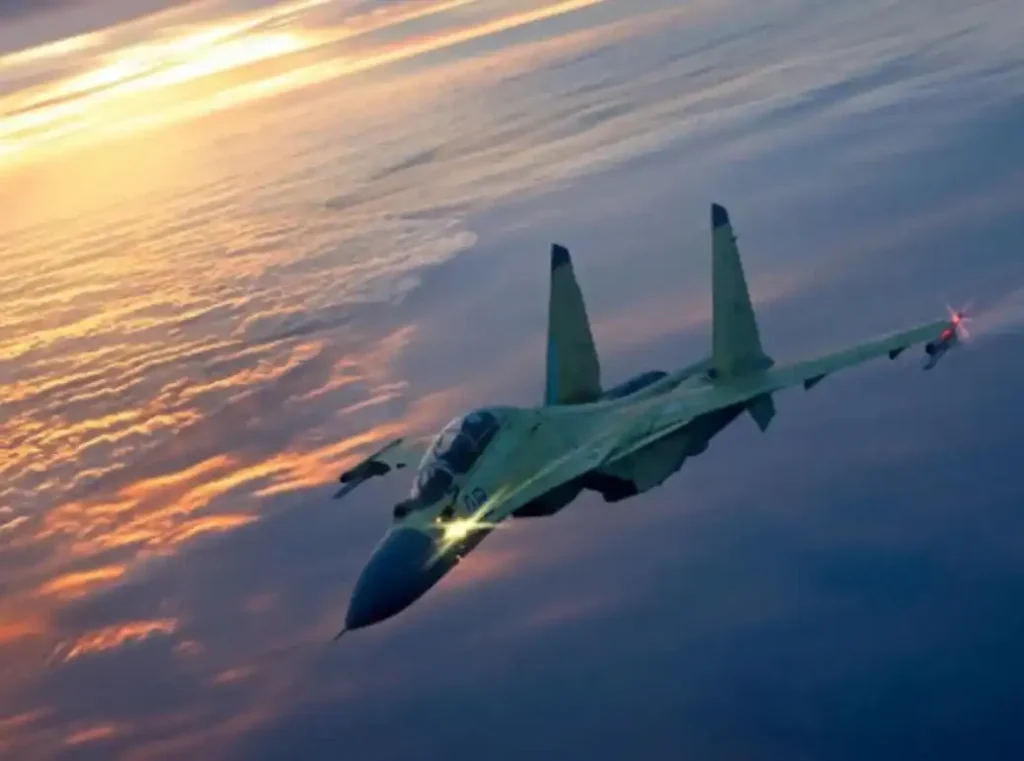
The Sukhoi Su-30 has been a mainstay of multiple air forces worldwide, providing formidable multi-role capabilities for over two decades. However, with advancing military aviation technology and increasing maintenance costs, several operators have outlined their respective retirement timelines for the aircraft. This article explores the retirement plans for the Su-30 across key operators, including China, India, Russia, and other nations, analyzing the factors influencing their decisions.
China: Phased Retirement Between 2025 and 2035
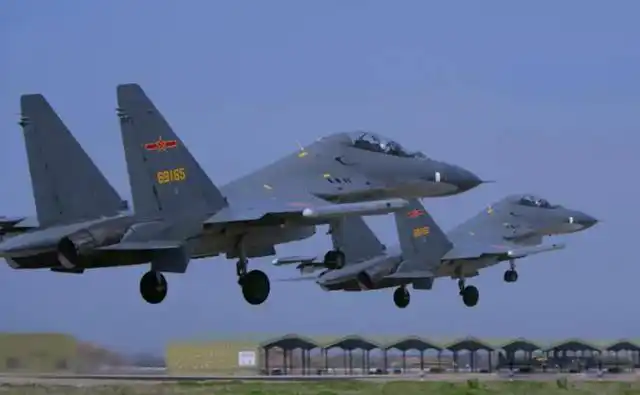
China was one of the earliest and largest foreign operators of the Su-30MKK and Su-30MK2 variants, acquiring 100 units from Russia between 2000 and 2004. These aircraft primarily served in ground attack and maritime strike roles, proving their versatility in the People’s Liberation Army Air Force (PLAAF) and Naval Aviation units.
Retirement Timeline
- The first Su-30 units are expected to be retired starting in 2025 due to prolonged operational service exceeding 20 years.
- A complete phase-out is projected within 10 years, with the fleet fully replaced by the domestically produced J-16 by 2035.
Current Status and Challenges
- The Su-30s continue to serve in low-intensity missions, primarily patrol and training operations.
- Unlike other aircraft in China’s fleet, these units have not undergone significant modernization, with only basic service-life extension programs in place.
- The J-16, equipped with advanced avionics, AESA radar, and modern weaponry, is positioned as the direct successor to the Su-30MKK/MK2.
India: Life Extension Until 2055, With Challenges
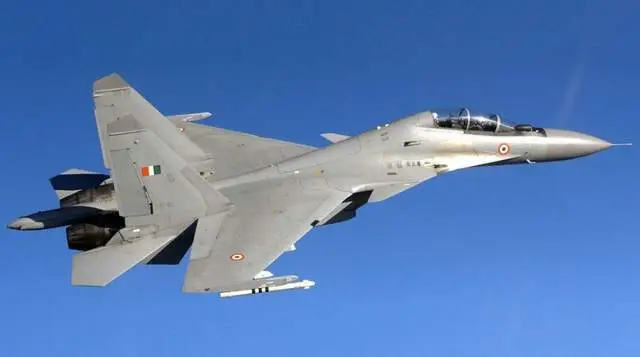
India is the largest international operator of the Su-30MKI, with a fleet of over 260 aircraft. However, reliability concerns, aging airframes, and geopolitical factors complicate their long-term service plans.
Mid-Life Upgrades and Service Extension
- In 2024, India initiated an upgrade program to modernize its Su-30MKI fleet, incorporating indigenously developed radars, avionics, and advanced weapon systems.
- The goal is to extend the aircraft’s service until 2055, ensuring continued frontline capability.
- Despite these efforts, India’s reliance on Russia for spare parts and technical support has proven to be a bottleneck, particularly in light of global sanctions affecting Russia’s defense industry.
Potential Early Retirements
- India’s pursuit of the fifth-generation Su-57 and development of the AMCA (Advanced Medium Combat Aircraft) could accelerate the phase-out of older Su-30 units.
- The aircraft’s high crash rate, attributed to airframe aging and inconsistent maintenance practices, also raises concerns about long-term viability.
Russia: Gradual Retirement in the 2030s
As the original manufacturer and primary operator, Russia’s air force employs the Su-30SM variant, primarily in ground attack and air superiority missions.
Replacement Strategy
- The Su-30SM will be gradually phased out throughout the 2030s as newer aircraft, including the Su-57 stealth fighter and additional Su-35S units, enter service.
- Older Su-30 airframes will be transferred to secondary roles, such as training and export markets.
Export Market and Challenges
- Russia aims to sell surplus Su-30s to foreign buyers, particularly in Africa and the Middle East.
- However, competition from fifth-generation fighters like the F-35 and J-20, coupled with economic sanctions, limits the market demand for second-hand Su-30s.
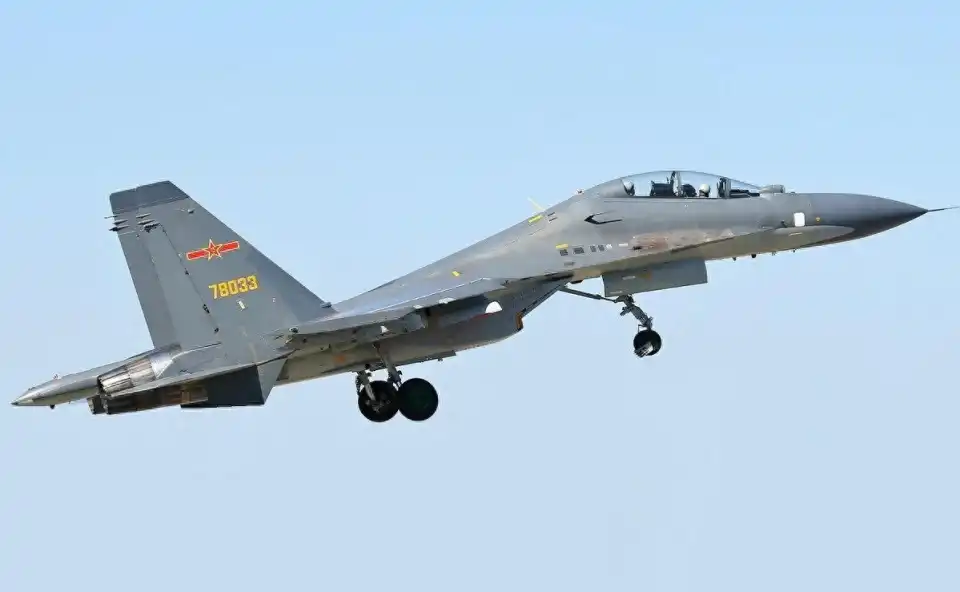
Other Operators: Economic and Strategic Considerations
Southeast Asia: Phasing Out by 2030
- Vietnam and Malaysia, both Su-30 operators, are considering retirement by 2030 due to high maintenance costs.
- These nations are exploring lighter, more cost-effective fighter replacements, such as the F-16V and Gripen E.
Algeria and Venezuela: Financial Constraints
- Algeria is reportedly evaluating Su-34s as a replacement for some of its Su-30s.
- Venezuela, facing economic difficulties, may retire its fleet earlier than anticipated, particularly as spare parts become more expensive and harder to source.
Belarus: A Precedent for Heavy Fighter Retirement
- In 2012, Belarus retired all its Su-27s due to cost constraints, opting not to replace them with Su-30s. This case highlights the economic burden of maintaining heavy fighters, a factor other nations may consider when planning Su-30 retirements.
Key Factors Driving Su-30 Retirement
1. Technological Advancements
- The emergence of fifth-generation stealth aircraft like the F-35, J-20, and Su-57 is reducing the strategic relevance of the Su-30.
- Newer platforms offer superior radar evasion, enhanced avionics, and networked warfare capabilities.
2. Maintenance and Operating Costs
- The Su-30 is a heavy twin-engine fighter, with maintenance costs estimated to be 2-3 times higher than lightweight alternatives like the F-16.
- Smaller nations struggle to sustain these expenses over long periods, making earlier retirements and fleet reductions likely.
3. Geopolitical and Economic Pressures
- The United States is actively promoting alternatives like the F-16V and F-15EX in markets that traditionally relied on Russian aircraft.
- Sanctions on Russia’s defense sector further complicate spare parts availability and modernization options.
Conclusion: The Future of the Su-30 Fleet
The retirement of the Su-30 will be a gradual process, driven by economic realities, technological advancements, and evolving defense strategies. While some operators, like India, plan to keep their fleet operational until 2055, others, such as China and Russia, are actively phasing out older units by the 2030s. Economic constraints are also influencing smaller operators, with some nations planning early retirements in favor of more cost-effective platforms.
As fifth-generation fighters become the standard for modern air forces, the Su-30’s days as a front-line combat aircraft are numbered. However, it will likely continue serving in secondary roles, training missions, and as a cost-effective solution for nations unable to afford next-generation fighters.