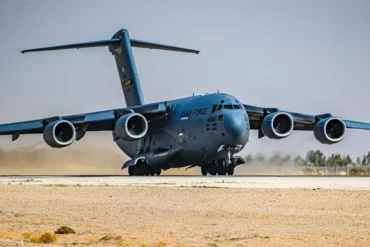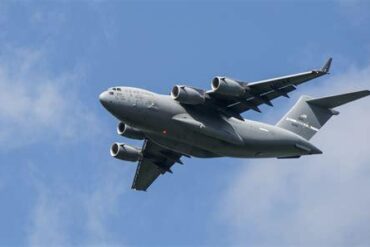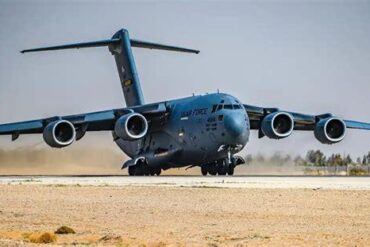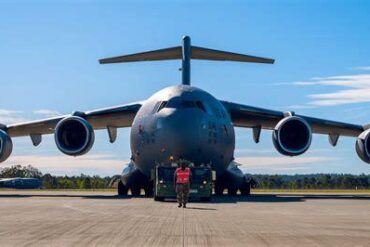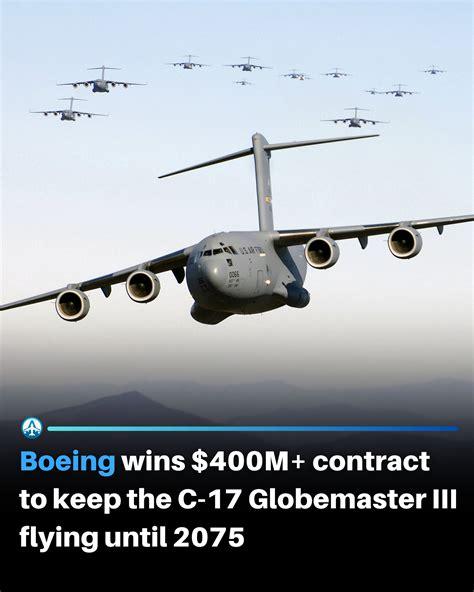
The Boeing C-17 Globemaster III was designed during a different era of military aviation, but decades after its first flight, it remains one of the most important strategic airlifters in the world. Although the final aircraft rolled off the production line in 2015, the C-17 is far from retirement. Instead, Boeing is investing in advanced digital technologies designed to keep the aircraft operational until 2075, extending the service life of a platform that has already become a cornerstone of global air mobility.
The decision to preserve the C-17 fleet is not simply about maintaining an aging aircraft. It represents a broader shift in military aviation, where software, predictive analytics, and intelligent maintenance systems can transform older platforms into highly capable assets. With 222 C-17 aircraft operated by the United States Air Force and additional aircraft flown by international partners, keeping every available airframe mission-ready provides enormous strategic value.
The challenge facing Boeing is significant. The company no longer builds new C-17s, meaning the future of the program depends entirely on sustaining existing aircraft efficiently. The introduction of technologies such as Boeing’s Aircraft Data Reasoner (ADR) demonstrates how advanced data analysis can give the Globemaster a new operational life.
The C-17 Globemaster III Remains Essential For Global Air Mobility
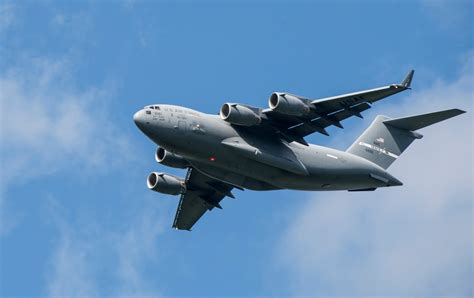
The C-17 Globemaster III occupies a unique position within the United States military transportation network. It combines strategic range with tactical flexibility, allowing it to transport troops, armored vehicles, humanitarian supplies, and critical equipment directly into locations that larger aircraft cannot easily access.
Unlike many strategic airlifters that require long runways and extensive infrastructure, the C-17 was engineered for operations from smaller and less developed airfields. Its advanced design, including its powerful engines, reinforced landing gear, and externally blown flap system, allows it to perform short takeoffs and landings while carrying heavy payloads.
This capability has made the aircraft valuable in some of the most demanding military and humanitarian missions of the modern era. C-17s have supported combat operations, disaster relief missions, medical evacuations, and rapid troop deployments around the world.
The aircraft’s importance has only increased as geopolitical competition has intensified. Modern military operations require the ability to move forces quickly across continents, and replacing the C-17’s unique combination of payload capacity, speed, and flexibility would require enormous investment.
Instead of replacing the aircraft immediately, Boeing and the US Air Force are pursuing a different approach: making the existing fleet smarter, more reliable, and more affordable to operate.
Boeing’s Aircraft Data Reasoner Gives The C-17 A Digital Upgrade
One of the biggest obstacles facing aging military aircraft is not necessarily structural fatigue. Often, the greatest challenge is maintaining thousands of complex components that become harder to support as manufacturing lines disappear and suppliers reduce production.
Boeing’s Aircraft Data Reasoner addresses this problem by using advanced analytics to predict failures before they occur. The system collects enormous amounts of aircraft information and analyzes patterns that indicate potential problems.
Instead of waiting for a component to fail during a mission, maintenance teams can identify warning signs earlier and replace parts during planned servicing. This approach reduces unexpected downtime and improves overall fleet readiness.
The ADR system analyzes data from more than 65,000 aircraft parameters and uses approximately 36,000 sensor-based algorithms to identify potential maintenance issues. Boeing estimates that early implementation has already helped prevent thousands of non-mission-capable hours and significantly reduced unnecessary maintenance work.
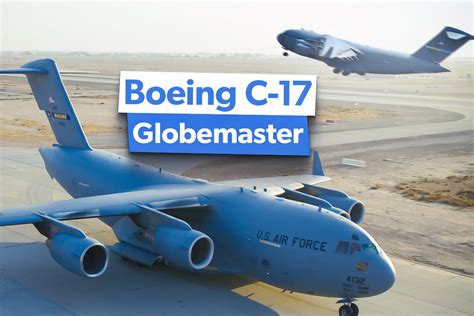
The value of this technology extends beyond individual aircraft. Data collected from one C-17 can improve understanding of the entire fleet. Boeing’s digital engineering database allows operators to identify trends across hundreds of aircraft, improving supply planning and reducing the need to stock excessive numbers of expensive spare parts.
This represents a major transformation in aircraft maintenance. Instead of reacting to failures, operators can anticipate them.
Why Extending The C-17 Fleet To 2075 Makes Strategic Sense
Keeping the C-17 operational until 2075 may seem ambitious for an aircraft that began service in the 1990s. However, modern military aircraft often remain effective for many decades when supported by continuous upgrades.
The C-17 fleet has already demonstrated exceptional durability. Collectively, the aircraft have accumulated approximately 4.5 million flight hours, proving the strength of the original design.
A replacement aircraft would require billions of dollars in development costs, years of testing, and significant infrastructure investment. Maintaining the current fleet while improving reliability offers a far more economical solution.
The value becomes even clearer when considering global airlift demand. Military forces increasingly require rapid transportation capabilities for crisis response, strategic deterrence, and humanitarian operations. Every additional available C-17 represents another aircraft capable of delivering essential equipment or personnel when time matters most.
For the United States Air Force, even a small improvement in availability can create significant operational benefits. A few percentage points of increased readiness can translate into additional aircraft available for daily missions without purchasing new airframes.
For smaller international operators, the impact is even greater. Countries operating only a limited number of C-17s cannot easily absorb unexpected aircraft downtime. Losing one aircraft temporarily can represent a substantial reduction in national airlift capability.
The Global C-17 Community Benefits From Shared Sustainment
The C-17 is not only a United States asset. International operators including Australia, Canada, India, Kuwait, Qatar, the United Kingdom, and the United Arab Emirates rely on the aircraft for strategic transportation missions.
These operators benefit from a unified sustainment approach because many of their aircraft share similar maintenance requirements, spare parts, and technical knowledge.
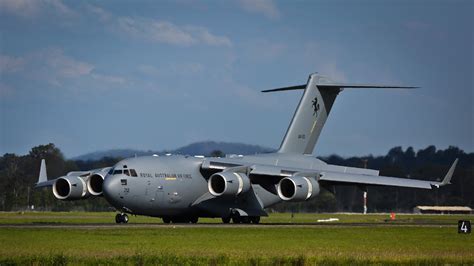
A strong example of this cooperation is the partnership between the United States Air Force and Royal Australian Air Force, where maintenance procedures have become increasingly synchronized. Shared practices allow personnel from different countries to support each other more effectively.
This global network gives smaller operators access to advantages normally available only to larger military forces. Instead of each country maintaining enormous inventories of spare parts, centralized data and supply systems allow resources to be managed more efficiently.
Boeing’s digital maintenance approach strengthens this international ecosystem. A problem identified on one aircraft can provide useful information for the entire fleet, helping prevent similar issues elsewhere.
Boeing Needs The C-17 Sustainment Program To Succeed
The future of the C-17 is also closely connected to Boeing’s business interests. Since production ended, Boeing’s role has shifted from aircraft manufacturer to long-term fleet supporter.
The company operates under performance-based sustainment agreements, meaning Boeing must maintain aircraft readiness while controlling costs. If maintenance becomes unpredictable and expensive, profitability suffers.
This creates a strong incentive for Boeing to invest in predictive maintenance technologies. A traditional maintenance model often requires replacing components based on fixed schedules, even when those parts may still have significant useful life remaining.
The ADR system changes that model by allowing Boeing and operators to make decisions based on actual aircraft conditions. This reduces unnecessary replacements, prevents costly emergency repairs, and improves operational reliability.
For Boeing, keeping the C-17 efficient is not only about supporting customers. It is also about protecting a long-term defense business relationship built around sustainment services.
Modernizing The C-17 Flight Deck For Future Operations
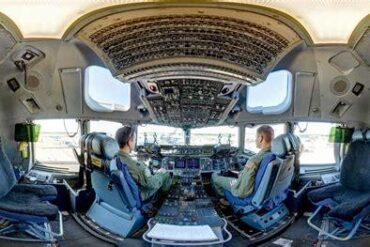
Predictive maintenance is only one part of Boeing’s plan to extend the C-17’s service life. The aircraft also requires modernization of its onboard systems to remain compatible with future operational demands.
The original C-17 flight deck was developed using technology from the 1980s and 1990s. While highly capable for its era, many components are now approaching obsolescence.
Through the Flight Deck Obsolescence and Technology Refresh program, Boeing is upgrading key avionics systems with modern mission computers and improved displays. The goal is to create a more flexible architecture that can accept future upgrades without requiring major redesigns.
This modular approach is critical because military aircraft often remain in service for decades. A platform that can easily integrate new software and hardware has a much greater chance of surviving changing requirements.
The combination of upgraded avionics, predictive maintenance, and improved logistics creates a pathway for the C-17 to remain relevant well into the second half of the century.
The C-17’s Long-Term Future Depends On Smarter Maintenance
The story of the Boeing C-17 Globemaster III is no longer just about an aircraft built decades ago. It is about how advanced technology can extend the usefulness of proven platforms.
By combining digital engineering, artificial intelligence-based maintenance forecasting, and modernization programs, Boeing is creating a new model for sustaining military aircraft.
The C-17 will not remain valuable because it is old. It will remain valuable because it continues to evolve.
As global security challenges demand rapid response capabilities, the ability to move people and equipment quickly remains essential. Keeping every C-17 flying until 2075 ensures that one of the most capable airlifters ever built continues supporting military operations, humanitarian missions, and international partnerships for generations to come.