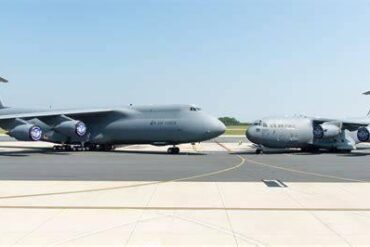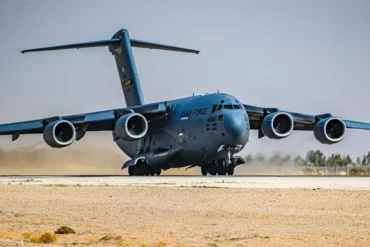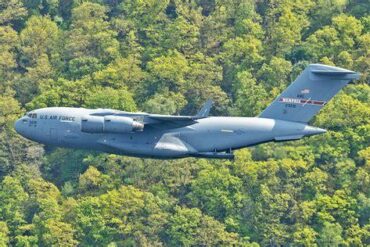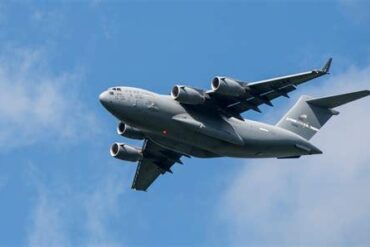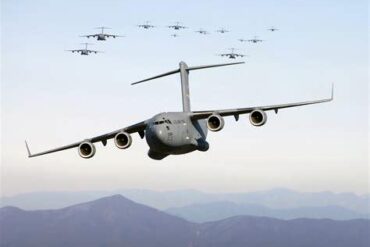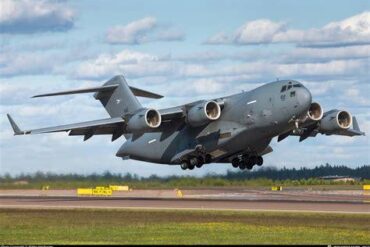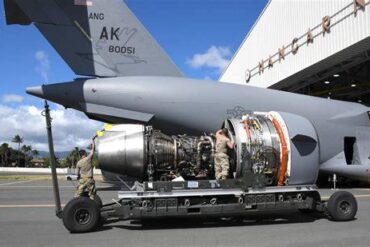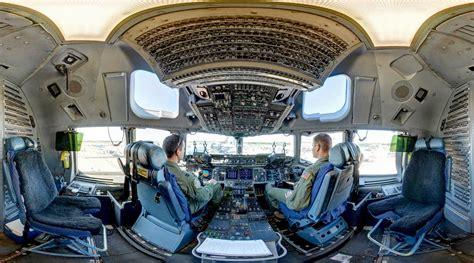
The Boeing C-17 Globemaster III was designed in a different technological era, but the U.S. Air Force has no intention of letting its age become a limitation. The service is preparing for a sweeping digital cockpit modernization because some of the aircraft’s most important avionics components are approaching a point where replacement parts will no longer be reliably available. Mission computers and multifunction displays are among the systems facing the most immediate pressure, with some spare-parts supplies projected to run out as early as fiscal year 2027.
That creates an unusual problem. The C-17 airframe itself still has enormous value, yet some of the electronics responsible for operating it are becoming increasingly difficult to support. The Air Force operates 222 C-17s, while more than 275 aircraft and prototypes were produced for the United States and international customers between 1993 and 2015. Rather than allow aging avionics to force premature retirement, the service is investing in a new architecture intended to keep the aircraft relevant for decades.
The modernization effort is being driven by a $266.6 million Boeing contract awarded in December 2025. Its central feature is the transition toward a Modular Open Systems Architecture (MOSA), an approach designed to make future upgrades substantially easier. Instead of treating the cockpit as a collection of tightly interconnected proprietary systems, MOSA allows individual components to be replaced, improved, and integrated with less disruption to the rest of the aircraft.

The C-17 Globemaster III Faces an Avionics Obsolescence Problem
The urgency behind the program is not primarily about the C-17’s engines, airframe, payload capacity, or basic flying characteristics. It is about avionics obsolescence. Much of the aircraft’s original electronic architecture dates from the late 20th century, when computing power, displays, networking, and digital integration were far less sophisticated than they are today.
For a military aircraft expected to remain operational into the middle of the 21st century, that creates a fundamental sustainability problem. An aircraft can remain structurally sound and mechanically capable while becoming increasingly difficult to operate because the electronics supporting its mission are no longer manufactured. Once suppliers stop producing particular components, the Air Force must rely on diminishing inventories of spare Line Replaceable Units, or LRUs.
That problem becomes especially serious when the affected equipment includes mission computers and multifunction displays. These are not optional conveniences. They form part of the electronic infrastructure that allows crews to manage flight information, navigation, aircraft systems, and mission-related functions. If replacement hardware cannot be obtained, an otherwise serviceable C-17 could eventually be grounded simply because a critical electronic unit has failed.
The projected fiscal year 2027 shortage therefore provides a powerful explanation for why modernization cannot be postponed indefinitely. Waiting until existing inventories are exhausted would leave the Air Force trying to solve an operational problem after it had already become a readiness problem. The overhaul is instead intended to get ahead of that deadline.
Why the Air Force Is Rebuilding the C-17 Cockpit Instead of Retiring the Aircraft
The decision to invest heavily in a decades-old aircraft might initially appear surprising. The C-17 first entered service in the 1990s, and production ended in 2015. Yet its operational characteristics remain highly valuable, particularly for missions requiring a combination of heavy payload capacity, long-range mobility, and access to relatively short runways.
The aircraft can carry a maximum payload of 170,900 pounds and operate from runways as short as approximately 3,500 feet. That combination gives the Globemaster III considerable flexibility in military logistics. It can move troops, equipment, and supplies rapidly while supporting operations in locations where a larger strategic airlifter may face greater limitations.
The C-17 has also become deeply integrated into the United States’ global mobility system. Its missions extend beyond conventional military deployments to include humanitarian assistance, disaster response, medical evacuation support, and joint operations. International operators add another dimension to the platform’s continuing relevance, creating a broad ecosystem around an aircraft type whose production line has already closed.
That makes the remaining service life of the airframe particularly important. If a relatively inexpensive electronic component becomes the reason an otherwise capable aircraft cannot fly, retiring the platform would effectively discard decades of remaining structural and operational value. Modernizing the cockpit is therefore a way of preserving that investment.
MOSA Will Give the C-17 a More Adaptable Digital Architecture
At the heart of the transformation is Modular Open Systems Architecture, or MOSA. The concept is important because it changes not merely what equipment sits inside the cockpit but how future equipment can be introduced.
Traditional avionics architectures can be highly interconnected. Replacing one subsystem may require changes to interfaces, software, processors, displays, and other equipment. That can make modernization expensive and slow, particularly when the original architecture was designed around hardware and standards that are no longer common.
MOSA takes a different approach. It emphasizes open standards and modular interfaces, allowing individual components to be upgraded without requiring a complete redesign of the surrounding system. The easiest analogy is a set of building blocks: when one block becomes outdated, it can potentially be removed and replaced without rebuilding the entire structure.
For an aircraft intended to fly toward 2075, that flexibility could be more important than any single processor or display installed during the initial upgrade. Technology will continue changing long after the current modernization program is completed. A cockpit that is modern in the late 2020s could itself become outdated decades later.
The new architecture is therefore intended to make the C-17 easier to modernize repeatedly. Future navigation technologies, communications equipment, cybersecurity improvements, mission applications, and processing capabilities can potentially be integrated more efficiently because the underlying architecture is designed for change.
New Mission Computers Will Become the Digital Core of the Cockpit
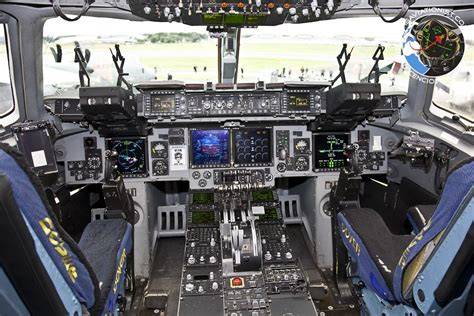
Mission computing is another major part of the modernization. The C-17’s new architecture requires processors capable of handling significantly greater quantities of information while supporting the interconnected functions expected from a modern military aircraft.
Curtiss-Wright is playing an important role through a major subcontract associated with the new mission computing system. The company’s MOSA-aligned computing technology is intended to provide the processing foundation for the upgraded cockpit. The reported lifetime value of that subcontract is more than $400 million, highlighting the scale of the broader modernization effort.
The mission computer effectively serves as a central digital hub. Information from navigation systems, aircraft sensors, communications equipment, and other onboard sources can be processed and presented to the crew through modern displays. Increasing computing capacity also creates more room for future software and mission capabilities.
That matters because the C-17 does not operate in isolation. Modern military mobility increasingly depends on digital connectivity between aircraft, command networks, logistics organizations, and joint forces. A cockpit capable of processing and presenting information more efficiently can help the aircraft remain compatible with this evolving operational environment.
Large Area Displays Could Transform the C-17 Pilot Experience
The cockpit overhaul also addresses the way information is presented to pilots. Legacy multifunction display technology is being replaced by a more modern display architecture incorporating Large Area Displays, supported by open-architecture display processors.
The significance of this change goes beyond making the cockpit look newer. Modern displays can provide pilots with more information in a clearer and more integrated format. Instead of forcing crews to manage information across multiple older interfaces, the new system can support a more coherent presentation of navigation, flight, and aircraft-system information.
That can contribute to improved situational awareness and reduced cockpit complexity. The objective is not simply to put larger screens inside an old aircraft. It is to create an electronic environment that is better suited to the demands of contemporary operations while retaining the C-17’s established flight characteristics and reliability.
The transition also demonstrates why replacing isolated components would not be enough. A new display is only as useful as the processor, software, data interfaces, and communications architecture supporting it. The Air Force’s decision to pursue a broader digital transformation reflects the interconnected nature of modern avionics.
Open Architecture Could Reduce Future C-17 Upgrade Costs
Another major advantage of MOSA is the potential to reduce dependence on individual proprietary suppliers. Closed architectures can make military programs vulnerable when a particular manufacturer stops producing a component or when a technology becomes commercially obsolete.
An open architecture can create more opportunities for competing suppliers to provide future components that meet established standards. That can improve flexibility while potentially encouraging greater competition over price, performance, and innovation.
For the Air Force, this is particularly valuable when considering a service-life target extending to 2075. No procurement team can realistically predict which processors, display technologies, communication standards, or navigation systems will dominate several decades from now.
The answer is therefore not to guess correctly today. It is to build an aircraft architecture that can accept tomorrow’s technology. That is arguably the most important strategic purpose of the C-17 cockpit modernization.
The C-17 Must Bridge the Gap Before Next-Generation Airlift Arrives
The modernization also makes sense when viewed alongside the Air Force’s longer-term plans for a Next-Generation Airlift (NGAL) capability. NGAL is expected to eventually succeed current strategic airlift platforms, but its development and deployment timeline means that the C-17 cannot simply be treated as an aircraft approaching immediate replacement.
Operational NGAL aircraft are not expected to enter service until the 2040s under current projections. Even after a new aircraft reaches operational status, replacing hundreds of established airframes would take years. Production capacity, training, infrastructure, logistics, and fleet transition all have to be considered.
That leaves the C-17 with an important bridging role. The Air Force needs the Globemaster III to remain capable while the next generation of airlift gradually emerges. Modernizing its cockpit ensures that the aircraft does not become technologically stranded during that transition.
In that sense, the upgrade is not a declaration that the C-17 is being kept forever. It is a recognition that the future will arrive gradually, while military logistics cannot simply pause until it does.
Keeping a C-17 Flying Until 2075 Will Require More Than New Electronics
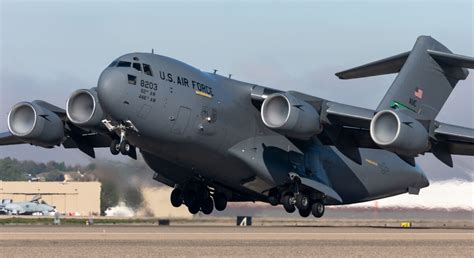
A digital cockpit cannot solve every problem associated with operating an aircraft for nearly eight decades. By 2075, the oldest C-17 airframes will approach 80 years of age. Structural inspection, fatigue management, engine support, wiring, hydraulics, landing gear, and countless other systems will remain important factors in determining whether individual aircraft can continue flying.
The cockpit modernization addresses one particularly dangerous form of aging: technological obsolescence. It ensures that the electronic systems supporting the aircraft do not become the limiting factor while the airframe still has useful life remaining.
That distinction is important. Military aircraft longevity is not achieved through one enormous upgrade followed by decades of inaction. It requires continuous maintenance and periodic modernization. The C-17’s new architecture is intended to make those future improvements easier rather than forcing the Air Force into another disruptive redesign whenever technology changes.
The same broader philosophy can be seen in modernization programs involving other long-serving U.S. Air Force aircraft, including the Boeing B-52 Stratofortress. Proven airframes can remain strategically useful when their systems are continuously adapted to changing requirements.
The C-17’s Future Will Depend on Digital Adaptability
The C-17 Globemaster III’s cockpit overhaul ultimately represents something larger than a replacement of obsolete displays and computers. It is an attempt to change how the aircraft ages.
A traditional modernization can solve today’s problem by installing today’s technology. A MOSA-based digital cockpit is designed to solve today’s problem while making tomorrow’s upgrades easier. That distinction becomes critical when the planned service life extends to 2075.
The C-17’s value has never depended solely on its age or technology. Its combination of payload, range, runway flexibility, reliability, and global mobility utility has made it one of the most important airlifters in the U.S. inventory. The challenge now is ensuring that its electronic systems can keep pace with the missions the aircraft is expected to perform.
The approaching shortage of legacy avionics spare parts has forced the Air Force to confront that challenge sooner rather than later. The $266.6 million Boeing modernization contract is consequently not just an upgrade to an old cockpit. It is an investment in keeping a proven strategic airlifter connected to the digital military environment of the future.
If the modernization succeeds, the C-17 will enter the coming decades with a fundamentally different relationship to technology. Instead of depending on electronics designed generations ago, it will have a modular foundation capable of evolving as new requirements emerge. That could allow the Globemaster III to remain useful well beyond the era in which its original cockpit was conceived.
By targeting technological flexibility rather than simply replacing obsolete hardware, the Air Force is effectively buying time for the C-17—and, more importantly, buying the ability to keep upgrading it. For an aircraft expected to fly until at least 2075, that may be the most important upgrade of all.