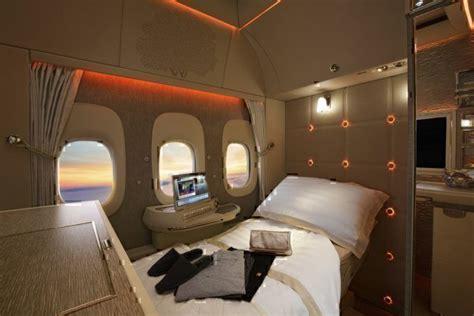
When it comes to modern air travel, first class represents more than just a seat upgrade — it’s an emblem of status, comfort, and exclusivity. In a world where travel is increasingly standardized, first class remains a stronghold of bespoke experiences, tailor-made luxury, and service that goes far beyond the transactional. The popularity of first class isn’t just about reclining seats or gourmet meals — it’s about a seamless journey from curb to cabin that caters to the body and soul, especially for discerning travelers.
Flying first class means entering a different reality at the airport. From the moment a traveler checks in, the experience is curated to feel elite and effortless. Passengers are guided through dedicated check-in counters, bypass congested security lines with priority screening, and glide into private airport lounges that resemble five-star hotels more than terminal waiting areas.
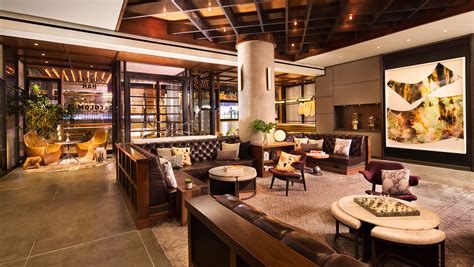
Exclusive Perks on the Ground
One of the first major attractions to flying first class begins before even boarding the plane. Major carriers such as Emirates, Qatar Airways, Lufthansa, and Singapore Airlines offer exceptional on-the-ground services designed to relax and impress.
Lounge Access Redefined
First class lounge access is not a simple waiting area. Think gourmet à la carte dining, fully stocked bars with rare whiskeys and champagnes, private nap rooms, spa treatments, and even chauffeur-driven car services directly to the aircraft. The ambiance is more akin to a boutique hotel than an airport. For instance, Lufthansa’s First Class Terminal in Frankfurt has its own passport control and security check, isolating guests from the bustle of the main airport entirely.
Streamlined Security and Check-In
Time is money, especially for business travelers. First class passengers often benefit from dedicated check-in desks, expedited TSA checks, and even fast-track immigration and customs services upon arrival. This eliminates one of the biggest stressors in travel — queues. A few minutes saved here and there can make a world of difference for professionals hopping between meetings or presentations.
Priority Boarding and Deplaning
No standing in the crowd or rushing through narrow aisles. First class ticket holders are ushered in first — or last, depending on their preference — and are typically first to exit the aircraft. This further enhances the experience, especially on long-haul routes where every minute of rest or work counts.
Elevated Experiences In The Air
Once onboard, the shift from transportation to transformation becomes apparent. First class cabins today are engineered for indulgence, privacy, and productivity.
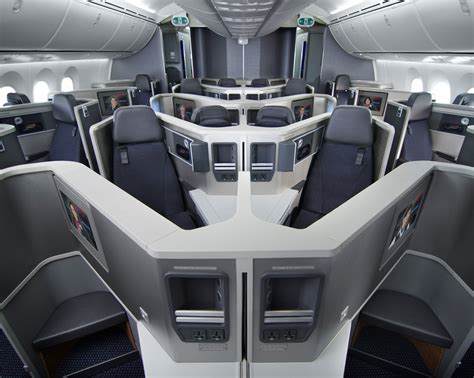
Private Suites & Lie-Flat Comfort
Forget narrow seats and elbow wars. First class cabins often feature enclosed suites, complete with sliding doors, privacy partitions, and in some cases, actual beds with mattress pads, duvets, and pajamas. On airlines like Singapore Airlines and Etihad, some suites even resemble mini hotel rooms, with separate chairs and beds, or dual seating configurations for dining with a companion.
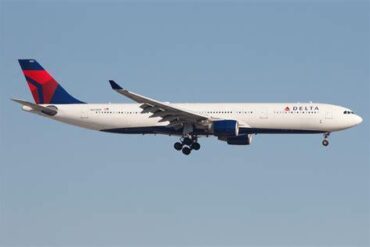
In Delta’s “Delta One” product, the 180-degree reclining seats become fully flat beds, turning a 10-hour red-eye into a night at a luxury hotel. Paired with amenities like noise-canceling headphones, bottled water, and amenity kits filled with designer skincare, the in-flight experience becomes one of serenity and care.
Personalized Service & Dining
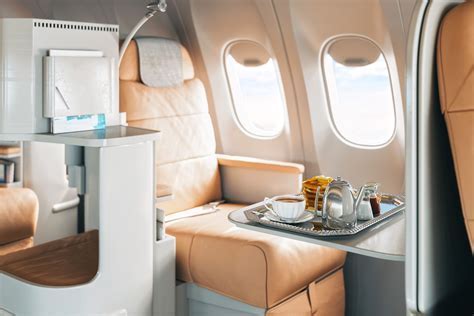
Food service in first class is an event. Think multi-course meals curated by celebrity chefs, complete with wine pairings and on-demand dining schedules. Passengers can often choose to be served at a time convenient to them, allowing flexibility to either sleep or dine without the structured economy routine.
Menus are regional and seasonal, offering fresh options and catering to dietary needs with gourmet finesse. Flight attendants often memorize passenger names, greet them personally, and offer individualized service throughout the journey. The difference in attention to detail is dramatic — it feels personal rather than procedural.
The Price Tag vs. the Perceived Value
Unsurprisingly, first class comes at a cost, and often an astronomical one. A flight from Los Angeles to Paris, for example, can range from $1,100 in economy to over $18,000 in first class. But despite the eye-watering price tag, the allure of first class hasn’t waned. In fact, it’s become even more desirable — especially as people redefine what value means.
For the wealthy, it’s an easy decision. For others, comfort is currency. A frequent flyer with back issues, a senior traveler on a long-haul route, or a corporate executive chasing productivity gains can all find rational justification for the investment. Reddit threads are full of testimonials:
“Money is worth less and comfort is worth more as you get older.”
“If it lets me work productively on a transatlantic flight, it’s worth the upgrade.”
And that’s the crux of the matter — for many, the real currency is time, space, and peace of mind.
Who’s Actually Flying First Class?
Most passengers in first class are not paying full fare. Many travelers upgrade using points, airline miles, or get complimentary upgrades through elite frequent flyer status. Airlines recognize the lifetime value of repeat business and offer first class as a strategic incentive to foster loyalty.
For business travelers, the cost is absorbed by corporations that value employee rest and productivity. For retirees and affluent passengers, it’s a reward for decades of hard work. And for savvy travelers who know how to work the system, award flights and last-minute upgrade deals make it accessible without going broke.
How to Fly First Class Without Paying Full Price
Scoring a seat in first class without spending five figures isn’t just possible — it’s increasingly common.
- Use airline miles strategically: Programs like Lufthansa’s Lifemiles, American Airlines AAdvantage, and Air France Flying Blue offer generous first class redemption rates.
- Transfer credit card points: Capital One, Amex Membership Rewards, Citi ThankYou points can be transferred to airline partners.
- Watch for flash sales or mistake fares: Sites like Secret Flying or The Flight Deal sometimes post error fares or discounted premium tickets.
- Book one-way or separate leg flights: You might find a cheaper upgrade booking two one-way first class seats than a roundtrip.
- Ask at the gate: Unfilled first class seats are sometimes sold at a significant discount just before boarding.
With the right strategy, passengers can snag a $10,000 seat for a fraction of the cost — or even free.
Final Thoughts: Luxury Meets Logic
At its core, first class remains popular because it delivers value that transcends money. Whether for comfort, productivity, medical reasons, or simply indulgence, passengers are willing to pay (or save) for a travel experience that offers physical rest and psychological ease. In a hyper-connected world where people are constantly moving, having a moment of peace and spaciousness at 35,000 feet is a rare luxury.
Flying first class is not just about better food and softer seats. It’s about an experience that respects your time, your body, and your needs. That’s why, no matter how high the prices rise, first class continues to soar in popularity — not just as a travel class, but as a coveted lifestyle experience.