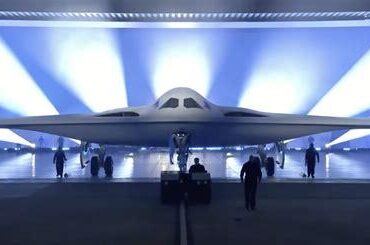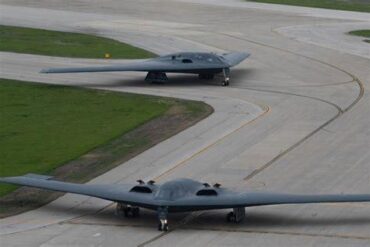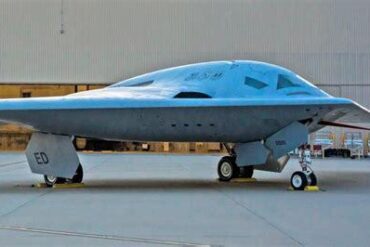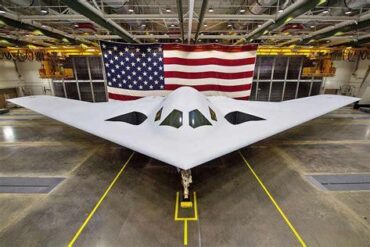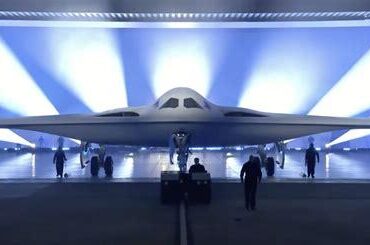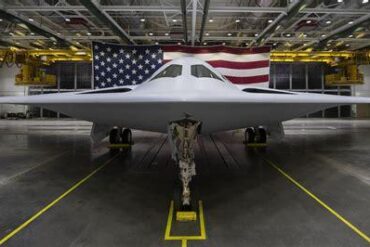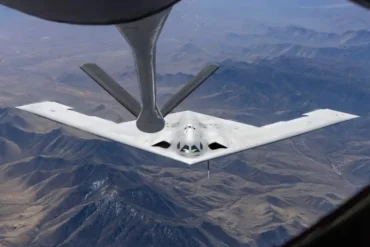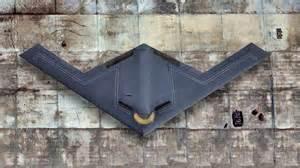
The Northrop Grumman B-21 Raider represents more than a new generation of stealth bomber technology. It is the centerpiece of a broader American strategy built around hardened infrastructure, distributed basing, and decades of specialized military investment. While many allies operate advanced fighters, tanker aircraft, and surveillance platforms, none possess the combination of land, funding, classified expertise, and existing facilities required to replicate the B-21 Raider’s hardened network of stealth bomber bases.
The discussion surrounding the B-21 program often focuses on the aircraft itself: its estimated unit cost, advanced stealth characteristics, artificial intelligence integration, and ability to penetrate heavily defended airspace. However, the aircraft is only one component of a much larger system. Behind every Raider will be a highly specialized ecosystem of maintenance facilities, secure mission centers, weapons infrastructure, radar testing areas, and hardened operational support buildings.
Before the first operational B-21 arrives at Ellsworth Air Force Base in South Dakota, the United States will have invested billions of dollars transforming existing facilities into a next-generation stealth bomber complex. Similar modernization efforts are underway at Dyess Air Force Base in Texas and Whiteman Air Force Base in Missouri. Together, these installations represent one of the largest military construction efforts of the modern era.
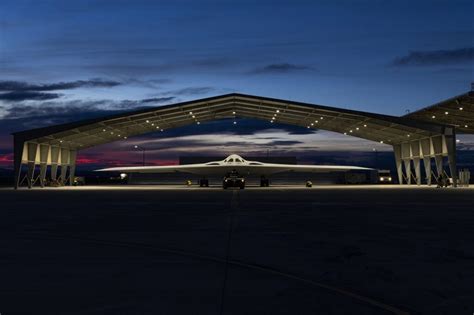
The cost of creating this network reveals a fundamental reality: acquiring a stealth bomber is not simply a matter of purchasing aircraft. It requires building an entire national infrastructure architecture capable of supporting a highly classified strategic weapon system. For most U.S. allies, the challenge is not only the price of the aircraft but the enormous investment required to create the environment where such an aircraft can operate.
The B-21 Raider Requires More Than an Airfield
A conventional military aircraft can operate from many existing air bases with relatively limited modifications. A stealth bomber designed for penetrating advanced air defenses requires something completely different. The B-21 cannot simply arrive at a normal runway, park in a standard hangar, and begin operations.
The aircraft depends on a network of specialized facilities designed around its unique requirements. These include low-observable maintenance buildings, secure weapons storage areas, classified mission planning centers, radio-frequency testing facilities, climate-controlled aircraft shelters, and advanced training infrastructure.
The United States is spending approximately $1.5 billion to $2 billion per major B-21 operating base because each location must function as a complete stealth bomber ecosystem. The investment is not just about buildings. It includes the engineering knowledge, security procedures, specialized equipment, and trained workforce needed to preserve the aircraft’s combat capability.
Ellsworth Air Force Base provides the clearest example. Located in South Dakota away from major population centers, the base offers geographic advantages for stealth bomber operations. Its remote location improves security, reduces interference from civilian activity, and provides an environment suitable for maintaining sensitive low-observable aircraft.
The transformation of Ellsworth includes dozens of construction projects covering everything from runway improvements to classified operational facilities. The base is receiving new maintenance hangars, environmental protection shelters, radio-frequency testing facilities, and infrastructure designed specifically for the B-21.
This scale of construction highlights a major difference between the United States and its allies. Many nations could theoretically afford several billion dollars for aircraft procurement over time. Far fewer could justify spending billions more simply to prepare a base before the first aircraft arrives.
Hardened Stealth Infrastructure Is the Real Strategic Barrier
The B-21 Raider’s classified technology is an obvious reason why allies cannot simply duplicate the American system. The United States does not export nuclear-capable stealth bombers, and many aspects of the aircraft’s avionics, materials, and mission systems remain closely protected.
However, even if those restrictions disappeared, most countries would still face a massive infrastructure challenge.
A stealth bomber base is not a normal military installation. It is a carefully engineered environment designed to maintain the aircraft’s low-observable characteristics throughout its operational life. The smallest mistakes in maintenance procedures could reduce the effectiveness of the aircraft’s stealth profile.
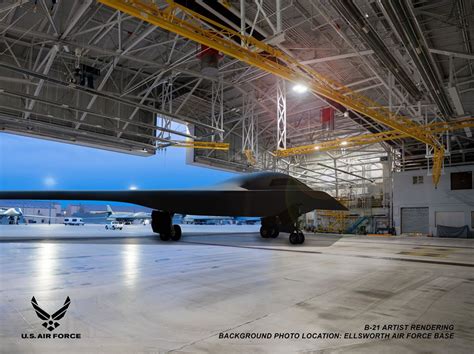
One of the most important facilities is the Low Observable Restoration facility, often considered the heart of stealth bomber maintenance. These specialized buildings operate as a combination of aircraft hangar, clean room, and precision repair facility.
Modern stealth aircraft depend on radar-absorbing materials and carefully shaped surfaces to minimize detection. These coatings experience wear from weather exposure, flight operations, temperature changes, and maintenance activities. Restoring them requires controlled environments and highly specialized testing equipment.
The B-21’s low-observable maintenance system requires technicians who understand classified procedures and have years of experience working with stealth aircraft. This expertise cannot be created overnight. It represents institutional knowledge accumulated through decades of programs such as the B-2 Spirit.
An ally starting from zero would not only need to build the facility but also develop an entire workforce capable of operating it.
The Six Specialized Facilities Behind Every B-21 Base
The complexity of the B-21 basing system comes from several specialized infrastructure categories that are uncommon even among advanced air forces.
The first is the Low Observable Restoration facility, where technicians repair and maintain the aircraft’s stealth surfaces. These facilities require advanced environmental controls, specialized materials handling, and electromagnetic testing capabilities.
The second is the Radio Frequency facility, which allows engineers to evaluate the aircraft’s radar signature after maintenance work. Because stealth depends on measurable electromagnetic performance, every major repair requires verification using sophisticated testing systems.
The third category is Environmental Protection Shelters. Unlike traditional aircraft shelters, these structures are designed to protect stealth materials from weather conditions that could degrade performance. Temperature changes, moisture, sunlight, and freezing conditions can all affect sensitive coatings.
The fourth requirement is the Mission Planning Facility. B-21 operations depend on highly classified intelligence, targeting information, and communication systems. These activities must occur inside secure facilities built to strict intelligence protection standards.
The fifth category involves Weapons Generation Facilities, where nuclear and conventional weapons operations are conducted. These facilities require extensive security measures, specialized handling equipment, and strict operational procedures.
The sixth is the Field Training Detachment infrastructure, which provides simulator-based training and prepares pilots, maintainers, and support personnel for B-21 operations.
Together, these facilities transform a military base into a self-contained strategic complex. A country cannot simply purchase the aircraft and add a few new buildings. It must recreate the entire ecosystem.
Why Whiteman Air Force Base Has a Huge Advantage
The difference between Whiteman Air Force Base and newer B-21 locations demonstrates why existing experience matters so much.
Whiteman has operated the B-2 Spirit stealth bomber for approximately three decades. Because of that history, the base already possesses much of the specialized infrastructure required for stealth bomber operations.
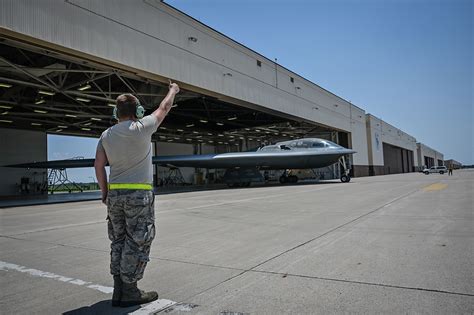
While Whiteman still requires significant upgrades for the B-21, its modernization costs are lower because it already has the foundation. Existing low-observable maintenance facilities, secure mission areas, weapons infrastructure, and trained personnel reduce the amount of new construction required.
Ellsworth and Dyess face a different challenge. They must build much of the stealth-support environment from the ground up.
This comparison reveals an important lesson: the United States is not simply spending billions today. It is benefiting from investments made over decades. The infrastructure supporting the B-21 exists because America invested heavily in stealth bomber operations during the Cold War and continued maintaining that expertise afterward.
A country attempting to create a B-21-style capability today would not only need money for new facilities. It would need decades of experience developing procedures, training personnel, and maintaining operational knowledge.
The Financial Challenge for U.S. Allies
The cost of a B-21-style base network becomes even more significant when compared with allied defense budgets.
A single hardened stealth bomber base could require between $1.5 billion and $2 billion in infrastructure investment. For the United States, this is a major but manageable defense expenditure. For many allies, it would represent years of military construction spending.
Several NATO members maintain annual defense infrastructure budgets smaller than the cost of a single B-21 operating location. Building one stealth bomber base could consume resources that would otherwise fund ships, fighters, air defenses, cyber capabilities, or troop modernization.
The challenge is even greater because a credible stealth bomber force requires more than one base. The U.S. model relies on multiple operating locations to increase survivability.
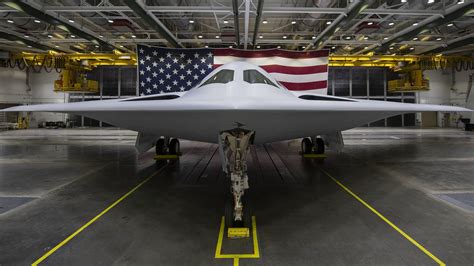
Instead of concentrating the entire fleet at one location, the Air Force is creating a distributed network across Ellsworth, Dyess, and Whiteman. This forces potential adversaries to target multiple hardened facilities rather than a single base.
That strategy increases resilience but also multiplies costs.
Why the Three-Base Strategy Matters for Future Warfare
The B-21 Raider is designed for an era where advanced missile systems, cyber attacks, and precision weapons threaten traditional military bases. A small number of centralized installations creates vulnerability.
The United States learned this lesson during previous generations of strategic aviation. The B-2 Spirit provided unmatched stealth capability, but its entire fleet operated from one primary location at Whiteman Air Force Base.
The B-21 changes that model by expanding the force across multiple hardened locations.
A larger fleet distributed across several bases creates uncertainty for potential adversaries. An enemy must locate, track, and potentially attack multiple protected facilities while dealing with a highly survivable aircraft.
This approach requires enormous investment, but it creates strategic advantages that cannot be achieved through aircraft purchases alone.
The infrastructure itself becomes part of the deterrent.
The B-21 Base Network Represents Decades of American Advantage
The United States’ ability to deploy the B-21 Raider is the result of more than a single aircraft program. It reflects decades of investment in stealth technology, military construction, classified research, training systems, and operational experience.
No U.S. ally currently possesses the complete combination of resources needed to recreate this capability. Some countries have advanced aerospace industries. Others have modern air forces and strong defense budgets. However, none have the full ecosystem required for a hardened stealth bomber network.
The barrier is not simply buying the aircraft. The barrier is creating the world around it.
The B-21 Raider will enter service supported by billions of dollars in specialized infrastructure, decades of stealth experience, and a national defense system designed specifically for penetrating advanced air defenses.
That combination makes the American stealth bomber network one of the most difficult military capabilities in the world to replicate. The aircraft may represent the visible future of strategic aviation, but the hidden network of hardened bases behind it is what truly sets the United States apart.