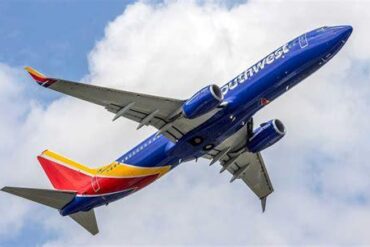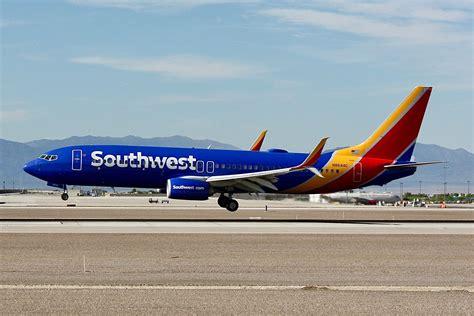
Southwest Airlines built one of the most recognizable business models in aviation by doing something most major carriers avoided: placing nearly its entire operational future on a single aircraft family. While rivals assembled mixed fleets of regional jets, narrowbodies, and widebody aircraft to cover every market segment, Southwest committed itself to the Boeing 737. What looked restrictive on paper became one of the boldest and most successful strategic decisions in airline history.
That choice helped transform Southwest from a Texas intrastate carrier into one of the world’s largest airlines. It delivered lower costs, faster turnarounds, simplified staffing, and a level of operational discipline that competitors spent decades trying to replicate. Yet the same strategy also created vulnerabilities, especially when Boeing’s production and certification troubles began affecting deliveries.
Southwest’s relationship with the 737 is therefore more than a fleet decision. It is a story about efficiency, identity, risk, and long-term conviction in a brutally competitive industry.
Southwest did not merely buy airplanes. It built an empire around one machine.
After the airline’s founding in 1971, leaders including Herb Kelleher understood that complexity could destroy profitability. Airlines already struggled with expensive labor contracts, maintenance burdens, route inefficiencies, and unpredictable fuel prices. Adding multiple aircraft types only increased those complications. Southwest moved in the opposite direction by simplifying nearly everything.
Instead of operating different aircraft for different missions, it standardized around the Boeing 737. That meant pilots could train on one family, mechanics could specialize deeply, spare parts inventories could be streamlined, and route planners could swap aircraft without major disruption.
This sounds obvious today, but at the time it was a radical rejection of conventional airline thinking.
Why Fleet Simplicity Became a Massive Competitive Advantage
Airlines often lose money through inefficiency rather than lack of passengers. Every minute an aircraft sits idle costs money. Every unique aircraft type adds maintenance programs, simulator requirements, crew scheduling headaches, and spare-part complexity.
Southwest’s single-fleet model attacked these problems directly.
With hundreds of near-compatible aircraft, operations became smoother. If one aircraft needed maintenance, another 737 could often replace it quickly. Crew assignment became easier because qualifications were standardized. Mechanics repeated the same procedures daily, improving speed and reducing error rates. Procurement teams could negotiate large-volume deals tied to one platform.
These advantages compounded year after year. A small efficiency gain multiplied across hundreds of aircraft and thousands of daily flights becomes enormous.
This is where many competitors underestimated Southwest. They saw “just another low-cost carrier.” What they were really seeing was a system engineered around repetition.
The Economics of the Boeing 737 Commitment
Fleet commonality creates savings in several categories, and Southwest benefited in nearly all of them.
First, training costs fell significantly. Pilots transitioning between 737 variants required less adjustment than moving across unrelated aircraft families. Cabin crews also worked in a familiar environment with similar procedures and layouts.
Second, maintenance efficiency improved. Specialized technicians become faster when working on the same aircraft repeatedly. Troubleshooting speeds up. Tooling becomes standardized. Parts forecasting becomes more accurate.
Third, inventory management became leaner. Instead of stocking components for multiple aircraft types, Southwest could concentrate resources around the 737 ecosystem.
Fourth, network flexibility increased. A 737 scheduled for one route could often be reassigned elsewhere with minimal disruption.
Most airlines chase revenue growth first and cost discipline second. Southwest’s genius was understanding that controlling cost structure could create strategic freedom.
Fast Turnarounds: The Secret Weapon Rivals Tried to Copy
Southwest became famous for quick turnarounds long before many travelers understood why they mattered. Aircraft only earn revenue when flying passengers, not sitting at gates.
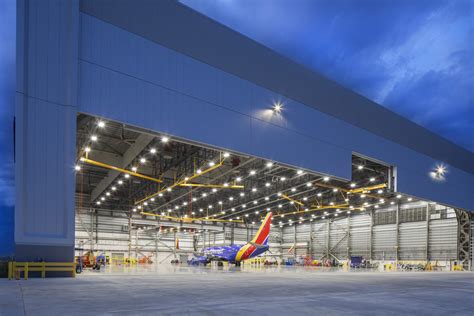
The company’s standardized fleet helped ground crews operate with almost choreographed precision. Baggage loading points were familiar. Cabin cleaning routines were repeatable. Boarding flows became consistent. Fueling procedures were standardized.
This rhythm allowed Southwest to schedule more flights per aircraft each day than slower-moving competitors. Higher utilization spreads fixed ownership costs over more revenue-generating hours.
For decades, this became one of Southwest’s strongest structural advantages. Other airlines could advertise premium cabins or international lounges. Southwest focused on getting airplanes back into the sky quickly.
That discipline sounds unglamorous, but in aviation, boring efficiency often beats flashy ambition.
Why the Boeing 737 Was the Right Aircraft for Southwest
The Boeing 737 itself matched Southwest’s network model unusually well. It offered the right balance of capacity, range, and operating economics for short- to medium-haul point-to-point flying.
Southwest avoided the traditional hub-and-spoke complexity favored by legacy airlines. Instead of funneling passengers through giant hubs, it connected cities directly across domestic markets. The 737 was ideal for that mission.
As newer variants arrived, the aircraft also evolved with Southwest’s needs. Better fuel burn, longer range, improved avionics, and higher seat counts allowed growth without abandoning the single-type philosophy.
This adaptability kept the strategy alive far longer than many critics expected.
Scale Matters: The World’s Largest 737 Operator
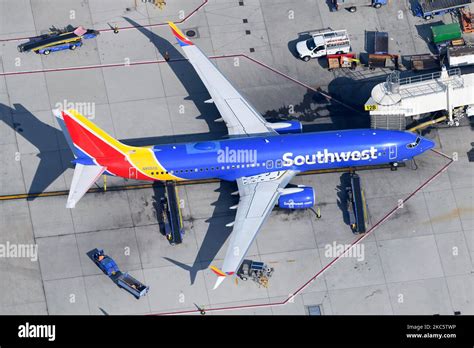
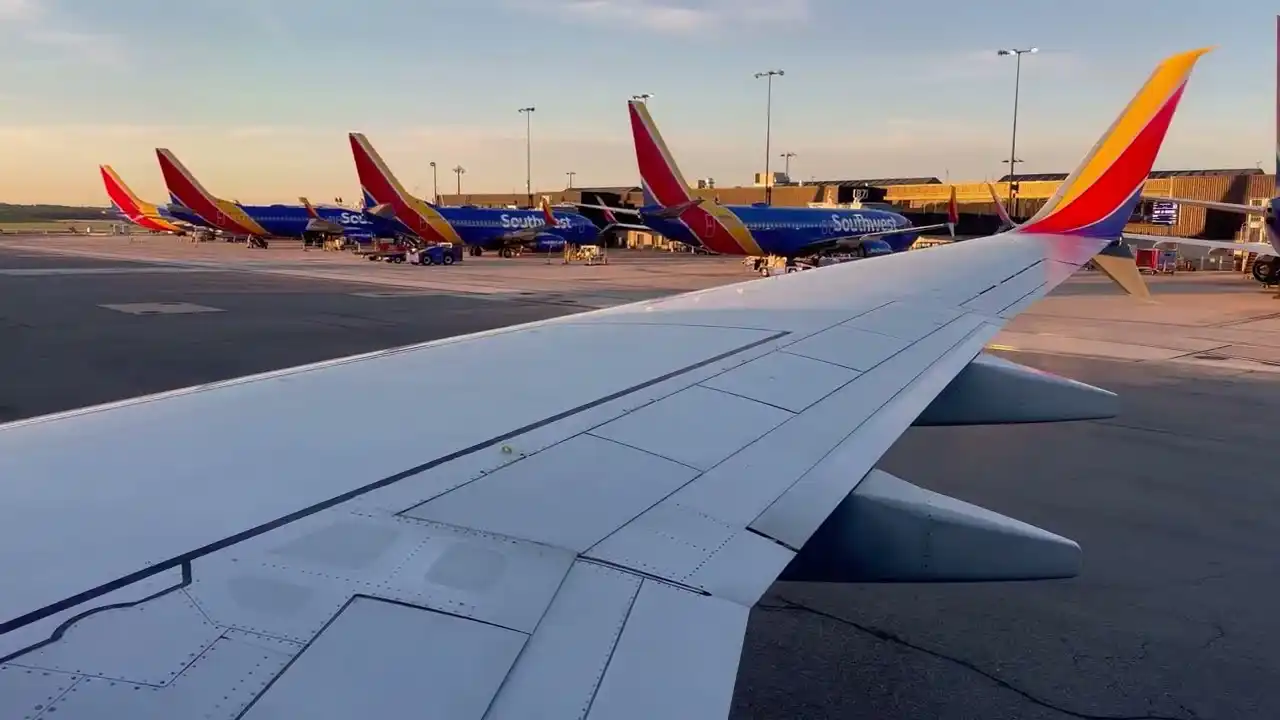
Southwest eventually turned fleet simplicity into sheer scale. Operating more than 800 Boeing 737 family aircraft, it became the world’s largest operator of the type.
Scale magnifies every advantage:
- Larger purchasing leverage with suppliers
- Better crew scheduling flexibility
- Stronger maintenance specialization
- Greater spare-part efficiency
- More route substitution options during disruptions
When a small airline uses one aircraft type, it gains efficiency. When a giant airline does it, those efficiencies become industrial-strength.
That is why Southwest’s fleet strategy cannot be dismissed as mere tradition. It is deeply connected to how the airline achieved size without inheriting legacy-carrier complexity.
When the Strategy Turned Risky
Every strong strategy contains a hidden weakness. For Southwest, dependence on Boeing became the obvious one.
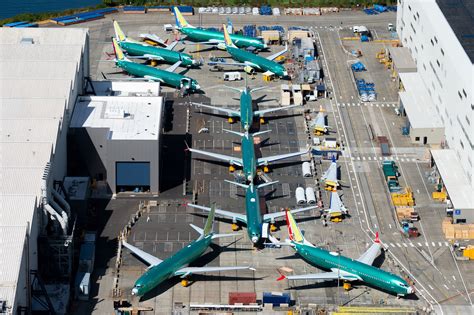
When the 737 MAX program encountered grounding, certification delays, and production problems, Southwest faced direct consequences. Unlike airlines operating Airbus A320-family aircraft alongside Boeing jets, Southwest had no easy alternative source of narrowbody capacity.
Aircraft replacement timelines slipped. Growth planning became harder. Older aircraft stayed longer than intended. Scheduling assumptions had to be revised.
This exposed the trade-off at the center of Southwest’s model: maximum efficiency during normal times can become reduced flexibility during abnormal times.
In calmer years, the single-fleet model looked brilliant. During manufacturer disruptions, it looked exposed.
Why Southwest Did Not Switch to Airbus
Many observers asked a simple question: why not diversify into the Airbus A320neo family?
The answer lies in transition cost and cultural inertia. Introducing a second aircraft family would require:
- New pilot training pipelines
- New simulator investments
- Separate maintenance systems
- Additional spare-parts inventories
- Revised scheduling logic
- Operational complexity across the network
Those costs are not temporary inconveniences. They permanently reshape an airline’s cost base.
Southwest likely concluded that enduring short-term Boeing pain was still cheaper than redesigning its operating DNA.
That may frustrate critics, but it is rational strategic math.
Brand Identity Built Around Consistency
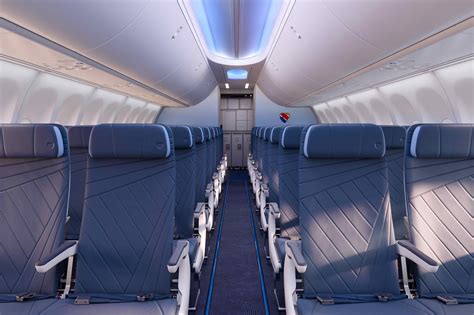
Passengers may not always care about fleet strategy, but they notice consistency. Southwest built a brand where customers generally knew what to expect: similar cabins, familiar boarding processes, and dependable domestic frequency.
Employees benefited too. A standardized fleet creates operational confidence. Pilots, flight attendants, dispatchers, and mechanics all work within a more predictable ecosystem.
That consistency reinforced Southwest’s corporate identity: practical, efficient, no-frills, and dependable.
The Boeing 737 became more than transportation hardware. It became part of the airline’s personality.
Can This Strategy Still Work in the Future?
The airline industry is changing. Fuel efficiency standards are tightening. Labor costs are rising. Technology cycles are accelerating. Travelers increasingly expect better onboard connectivity and comfort. Manufacturers face supply chain pressures.
A single-fleet model still offers major advantages, but it also requires trust that one aircraft family can continue meeting future needs.
If Boeing delivers reliable next-generation products and stabilizes production, Southwest’s bet may continue paying off. If delays or strategic missteps persist, dependence could become more costly.
That makes Southwest one of aviation’s most fascinating case studies. It is an airline proving that focus can create strength—but also concentration risk.
The Bigger Lesson from Southwest Airlines
Southwest Airlines did not become a giant by copying competitors. It became a giant by simplifying what others complicated. Its all-737 strategy lowered costs, accelerated operations, and created one of the most efficient domestic airline models ever built.
Yet no strategy remains risk-free forever. The same concentration that once delivered dominance now ties Southwest’s future closely to Boeing’s execution.
Still, there is something impressive about the consistency of this bet. In an industry obsessed with constant reinvention, Southwest chose disciplined repetition.
And for decades, that repetition worked brilliantly.
Whether it remains brilliant in the next decade will depend not only on Southwest Airlines—but on the aircraft family that helped define it.