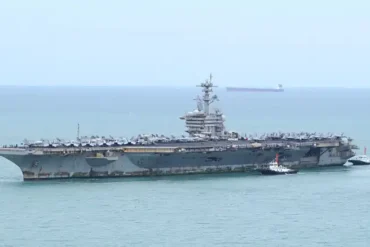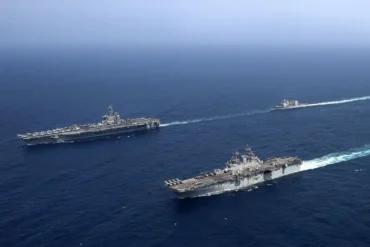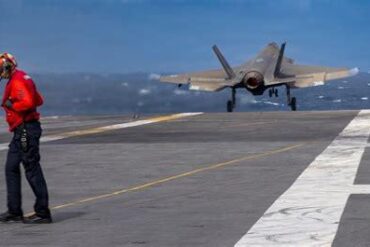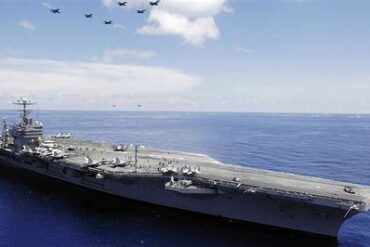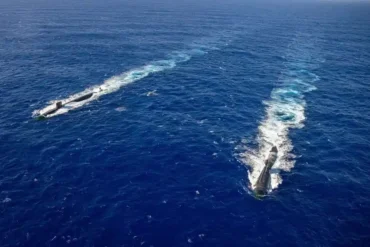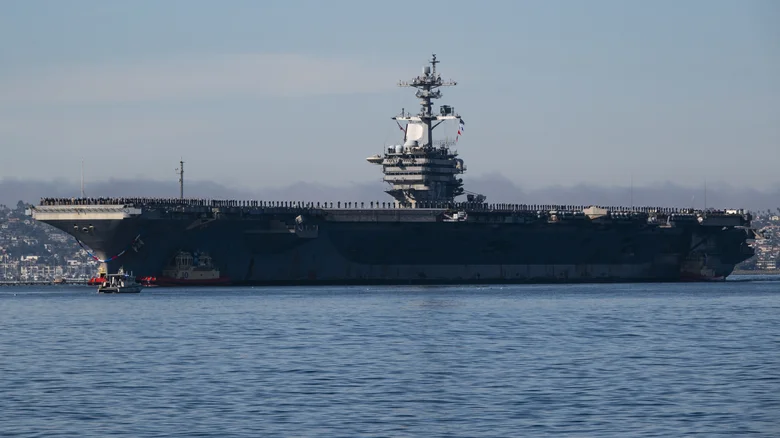
The USS Abraham Lincoln (CVN-72), one of the United States Navy’s most prominent nuclear-powered aircraft carriers, made a notable port call in Guam in December 2025. This arrival is not a coincidence or mere logistical footnote; it is a deeply strategic move rooted in geography, military readiness, geopolitical signals, and the ever-expanding importance of the Indo-Pacific theater.
A Nimitz-Class Powerhouse Positioned in the Pacific
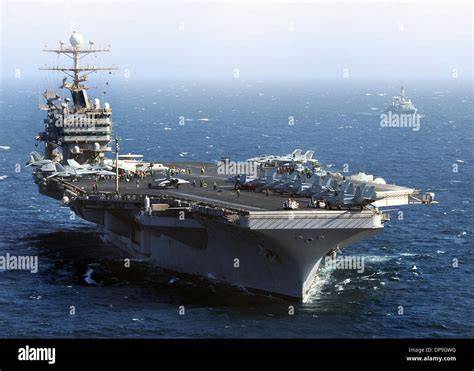
As a Nimitz-class supercarrier, the USS Abraham Lincoln carries with it not only an immense air wing but also a potent projection of U.S. military power. Having previously operated in both the 5th and 7th Fleet Areas of Responsibility—including missions in the Middle East and Indo-Pacific—the carrier’s return to Guam is both a continuation of its deployment cycle and a critical logistical maneuver.
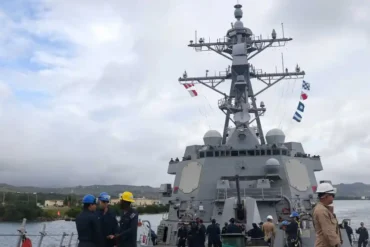
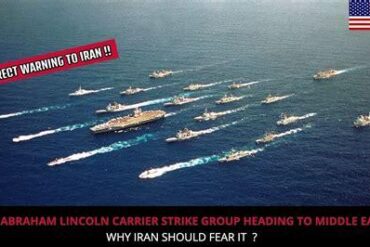
The vessel’s arrival came alongside a Carrier Strike Group, including Arleigh Burke-class guided-missile destroyers, which have been undergoing modernization to keep pace with evolving threats. These ships, working in coordination with the carrier, create a layered defense and power-projection platform capable of responding rapidly to crises across the region.
Guam: The Geopolitical Fulcrum of the Pacific
The significance of Guam’s location cannot be overstated. Located approximately 4,000 miles west of Hawaii and considerably closer to East Asia’s strategic flashpoints, Guam acts as an unsinkable forward base for U.S. operations. As a U.S. territory, the island provides a rare combination of strategic proximity and sovereign control—allowing the Navy to operate without the bureaucratic hurdles associated with foreign bases.
Furthermore, Guam plays host to Andersen Air Force Base and Naval Base Guam, both of which are critical for housing rotational bomber forces, submarines, and surface fleets. These installations serve as launching points for operations in the South China Sea, Korean Peninsula, and Taiwan Strait, thereby reinforcing deterrence in increasingly tense maritime corridors.
Routine Maintenance, Readiness, and Rest
While military strategy commands the headlines, the USS Abraham Lincoln’s port call also fulfills essential operational needs. The four-day stop in Guam facilitated routine maintenance, logistical resupply, and the vital morale boost that comes from rest and community engagement.
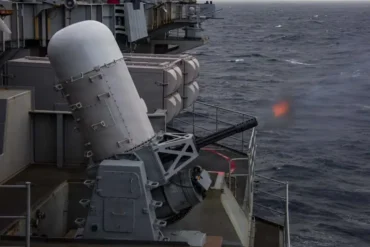
Crew members disembarked to reconnect with family, participate in volunteer events, and enjoy brief reprieve after weeks at sea. These pauses, while less dramatic than flight deck operations, are foundational to sustained readiness. Aircraft, radar systems, defensive weapons, and propulsion equipment undergo checks and minor upgrades, ensuring the vessel remains a reliable force multiplier in the region.
From Alaska’s Cold Waters to the Warmth of Guam
The USS Abraham Lincoln’s journey to Guam followed its involvement in Northern Edge, a multi-branch joint exercise held in Alaska in mid-2025. These drills emphasized joint interoperability between air, land, sea, and missile defense forces. That participation showcased not only the versatility of the Abraham Lincoln’s air wing but also the ability to swiftly transition between arctic and tropical theaters—a testament to the Navy’s strategic flexibility.
Securing the Backbone: Guam’s Energy Infrastructure Challenges
Despite its immense value, Guam’s operational stability is under threat from vulnerabilities in its energy infrastructure. The reliance on centralized power systems creates risks in the event of natural disasters, physical sabotage, or cyberattacks. Recognizing this, the U.S. government has accelerated efforts to fortify Guam’s energy resilience—investing in redundant systems, fuel reserves, and defensive cyber capabilities.
These upgrades are essential. A secure Guam ensures that aircraft carriers like the USS Abraham Lincoln can deploy, refuel, and be maintained without disruption—extending the Navy’s endurance across the Pacific. The island’s integrity is inseparable from the U.S. military’s ability to respond to both humanitarian crises and potential combat operations.
Symbolism and Signal: Strategic Messaging to Regional Actors
The Abraham Lincoln’s presence in Guam carries more than logistical value—it’s a calculated signal to adversaries and allies alike. In a time of heightened tensions in the South China Sea and increasing pressure on Taiwan, the United States demonstrates through presence rather than promises. The visible deployment of a nuclear-powered carrier underscores Washington’s commitment to a free and open Indo-Pacific, its support of allies like Japan and the Philippines, and its resolve to deter any destabilizing aggression.
With the regional balance of power shifting and naval build-ups underway across Asia, the USS Abraham Lincoln in Guam is not just a ship at port. It is a floating message of assurance, a logistical linchpin, and a warfighting asset—all rolled into one. Its arrival is as much about preparing for what lies ahead as it is about reminding the world of America’s unmatched naval reach.