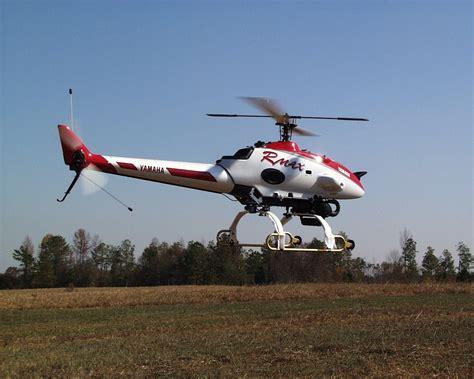
The Yamaha R-MAX stands as a testament to Japanese engineering prowess and foresight, an unmanned helicopter that emerged in the 1990s to address specific, pressing needs and subsequently carved out a significant niche across diverse global industries. Developed by the renowned Yamaha Motor Company, this gasoline-powered, remote-controlled aerial vehicle was initially conceived as a high-precision solution for agricultural spraying, particularly within the unique farming landscape of Japan. However, its robust design, reliability, and adaptability quickly propelled it beyond its agrarian origins, leading to its deployment in critical roles such as aerial surveying, reconnaissance, disaster response, and as a cutting-edge platform for technological development and academic research. The R-MAX is not merely an aircraft; it is a symbol of innovation in unmanned aerial systems (UAS), showcasing the immense potential of remotely piloted technology to perform complex tasks with efficiency and safety.
Its journey from a concept to a globally recognized workhorse is a compelling story of technological evolution driven by practical demands. With its distinctive two-bladed rotor and line-of-sight remote operation, the R-MAX has consistently demonstrated its capability to operate in challenging environments where manned aircraft would be impractical, too costly, or excessively risky. This foundational capability has allowed it to accumulate an impressive operational history, underscoring Yamaha’s commitment to quality and performance in a field that continues to expand and redefine modern operational capabilities across sectors.
The Genesis of an Aerial Workhorse: Development of the R-MAX
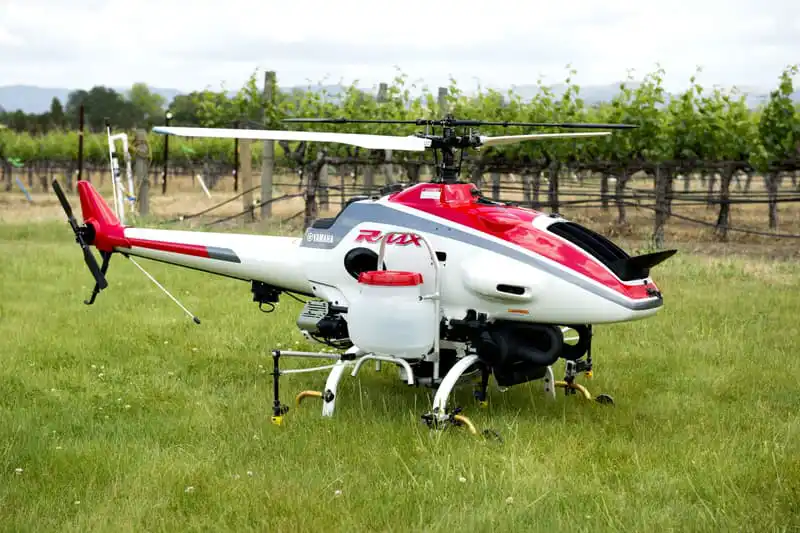
The impetus for the development of the Yamaha R-MAX and its direct predecessor, the Yamaha R-50, arose from a clearly defined need within the Japanese agricultural sector during the 1990s. Japan’s agricultural landscape is characterized by relatively small, often irregularly shaped or terraced farm plots, which rendered traditional aerial crop-dusting methods, primarily employing fixed-wing manned aircraft, largely inefficient and economically unviable for many farmers. While manned helicopters offered a more targeted approach to spraying, their operational costs were prohibitively high for widespread adoption in small-scale farming. This created a significant gap in the market for a cost-effective, precise, and safe aerial application solution. Yamaha Motor Company, with its extensive expertise in engine technology and manufacturing, recognized this challenge and embarked on developing an unmanned aerial vehicle tailored to these specific requirements. The R-MAX was engineered to deliver unparalleled precision in small-scale spraying operations, significantly reducing chemical wastage, minimizing environmental impact, and offering a substantial improvement in operational safety by removing the pilot from direct exposure to hazardous materials and low-altitude flight risks. This innovative approach promised not only to enhance agricultural productivity but also to make advanced aerial application accessible to a broader segment of the farming community.
The development focused on creating a platform that was not only capable of precise chemical delivery but was also reliable and relatively easy to operate via remote control. The successful introduction of the R-MAX marked a paradigm shift, offering a lower-cost alternative that did not compromise on efficacy. Its ability to navigate complex terrains and apply treatments with pinpoint accuracy directly addressed the shortcomings of existing methods, solidifying its role as an indispensable tool for modern Japanese agriculture and setting the stage for its future diversification into other demanding applications worldwide. The foresight in its design catered to a niche yet critical demand, proving that targeted technological innovation can yield solutions with far-reaching impacts.
Engineering Excellence: A Closer Look at the R-MAX Design
The Yamaha R-MAX is a marvel of compact and efficient engineering, meticulously designed to perform its tasks with reliability and precision. At its core, the aircraft features a robust, yet relatively lightweight, airframe supporting a two-bladed main rotor system, which is crucial for its lift and maneuverability. The overall length of the R-MAX is 3.63 meters (11 feet 11 inches), with a width of 0.72 meters (2 feet 4 inches) and a height of 1.08 meters (3 feet 7 inches), dimensions that contribute to its agility and ability to operate in confined spaces. Powering this unmanned helicopter is a water-cooled, 2-cylinder, 2-stroke gasoline engine with a displacement of 0.246 liters (15.01 cubic inches). This choice of powerplant offers an excellent power-to-weight ratio, essential for carrying its maximum payload while maintaining responsive flight characteristics. The engine’s design ensures consistent performance, a critical factor for the demanding flight profiles often required in agricultural spraying and other specialized missions.
Control of the R-MAX is managed through the sophisticated Yamaha Attitude Control System (YACS). This advanced avionics suite is pivotal for maintaining stability and precise flight paths, especially during low-altitude spraying operations where wind gusts and a shifting center of gravity (as the spray payload depletes) can significantly impact flight dynamics. The YACS interprets commands from the line-of-sight remote operator and translates them into precise adjustments of the rotor blades and engine output, ensuring smooth and predictable handling. The main rotor has a diameter of 3.115 meters (10 feet 3 inches), optimized for efficient lift and control. The R-MAX boasts an empty weight of 64 kg (141 lb) and can achieve a maximum takeoff weight of 94 kg (207 lb). This allows for a substantial maximum payload capacity ranging between 28 to 31 kg (62 to 68 lb), which is primarily utilized for carrying agricultural spray tanks and dispersal equipment, making it highly effective for its intended purpose. Its endurance is rated for approximately one hour, a duration well-suited for targeted missions before refueling or battery swap for the control systems is required.
Operational Prowess: The R-MAX Revolutionizing Precision Agriculture
The Yamaha R-MAX has logged an extraordinary number of flight hours, with reports by 2015 indicating over two million hours primarily dedicated to agricultural operations. This extensive service record is a powerful testament to its reliability, efficiency, and the transformative impact it has had on precision agriculture. In this domain, the R-MAX excels due to its ability to deliver pesticides, fertilizers, and other treatments with remarkable accuracy directly onto crops. This precision is particularly beneficial for Japan’s agricultural model, which often involves small, intricately laid out fields where blanket spraying by larger, manned aircraft would be wasteful and potentially harmful to adjacent areas or sensitive ecosystems. The R-MAX’s compact size and maneuverability allow it to fly at low altitudes, closely following the contours of the land and targeting specific rows or sections of crops, thereby minimizing chemical drift and ensuring that treatments are applied only where needed. This targeted application not only reduces the overall volume of chemicals used, leading to significant cost savings for farmers, but also lessens the environmental footprint of agricultural activities.
Compared to traditional ground-based spraying methods, which can be labor-intensive and may cause soil compaction or crop damage, the R-MAX offers a non-invasive aerial solution that can cover terrain quickly and efficiently, irrespective of ground conditions. Its capability to operate effectively even on sloped or uneven terrain further enhances its utility. The system’s design allows for rapid deployment and turnaround, maximizing productivity during critical windows for crop treatment. Farmers utilizing the R-MAX benefit from improved crop yields and quality, a reduction in labor costs, and enhanced operational safety by removing human operators from direct exposure to potentially hazardous chemicals. The success of the R-MAX in Japanese agriculture has not only optimized farming practices there but has also served as a compelling case study for the adoption of unmanned aerial spraying technologies in other regions facing similar agricultural challenges or seeking more sustainable farming solutions.
Beyond the Fields: Diverse and Critical Applications of the R-MAX
While its foundations are firmly rooted in agriculture, the versatility and reliability of the Yamaha R-MAX have enabled its successful deployment across a surprisingly diverse array of non-agricultural sectors, demonstrating its capacity to handle critical and often hazardous tasks.
Pioneering Volcano Observation at Mount Usu
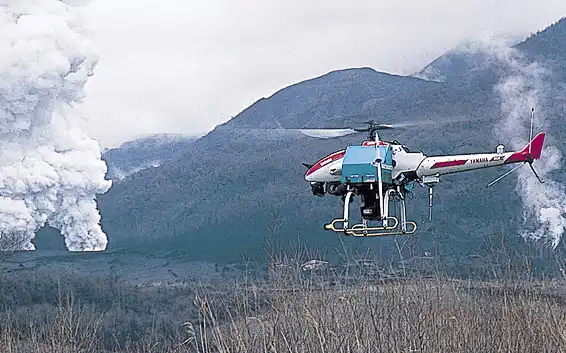
A landmark example of its utility in extreme environments occurred in the spring of 2000 during the eruption of Mount Usu in Japan. The volcano, after a 22-year period of dormancy, became active, posing significant risks that deemed close observation by manned helicopters too dangerous. The Japanese government turned to the R-MAX to provide crucial aerial reconnaissance. The unmanned helicopter was able to fly into hazardous zones, allowing scientific observers to gather invaluable data on the volcanic activity. It enabled the precise spotting and measurement of volcanic ash buildups, details that might have been entirely missed or inaccurately assessed from a safer distance. This close-proximity data significantly improved the scientists’ ability to predict the formation and trajectory of hazardous volcanic mudslides (lahars), thereby enhancing early warning systems and contributing to public safety. The R-MAX’s performance at Mount Usu highlighted the unique advantages of unmanned systems in natural disaster monitoring, where human safety is paramount.
Critical Monitoring During the Fukushima Nuclear Disaster
Following the catastrophic Tōhoku earthquake and tsunami in March 2011, which led to the Fukushima Daiichi nuclear disaster, Yamaha R-MAX units played a vital role in the immediate aftermath. The extreme radiation levels around the crippled nuclear plant created a vast “no-entry” zone, making human-led assessment impossible. R-MAX helicopters, equipped with specialized sensors, were deployed to fly into these highly contaminated areas to monitor radiation levels and assess the structural integrity of the damaged reactor buildings. This remote sensing capability provided essential information to emergency response teams and government officials, aiding in the management of the crisis and the planning of mitigation efforts. The R-MAX’s ability to operate in such a toxic environment without risking human lives underscored its immense value in radiological and nuclear emergency response scenarios, further solidifying the case for unmanned systems in hazardous material incidents.
Expanding Roles in Aerial Surveying and Reconnaissance
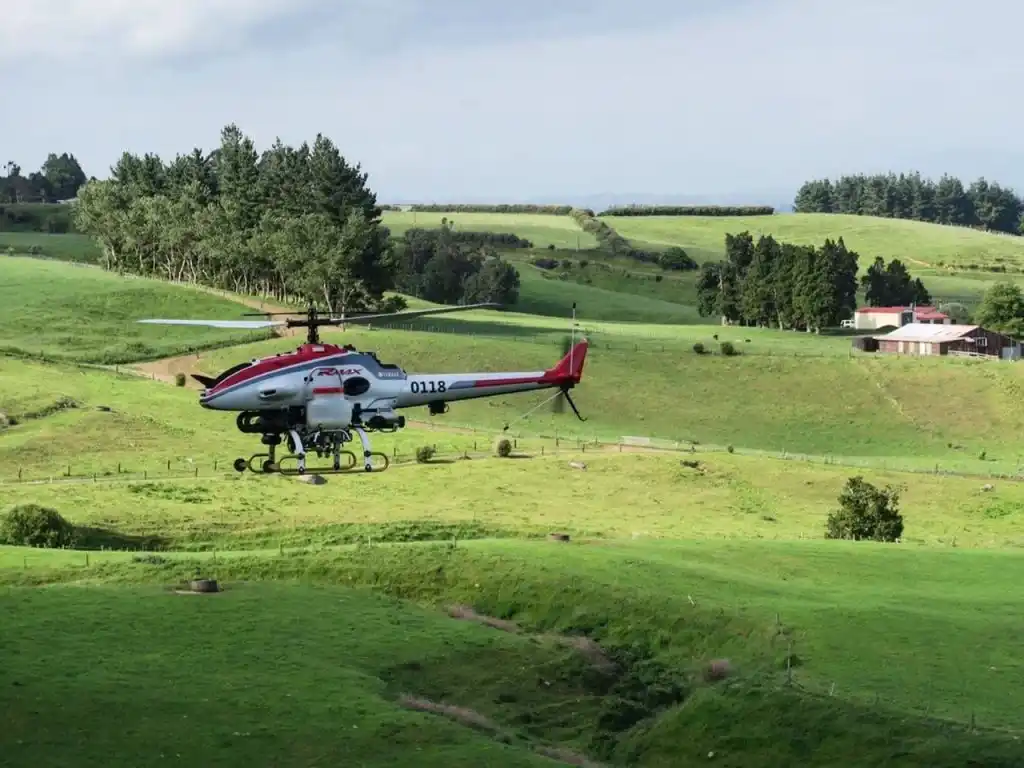
Beyond acute disaster response, the R-MAX has proven effective in general aerial surveying and reconnaissance missions. Its stable flight platform and ability to carry various sensor payloads make it suitable for tasks such as infrastructure inspection (e.g., bridges, power lines, pipelines), land mapping for urban planning or environmental management, and detailed site surveys for construction or archaeological projects. Its relatively low operational cost compared to manned aircraft, coupled with its ability to capture high-resolution imagery and data from unique low-altitude perspectives, offers a compelling alternative for a wide range of observational tasks. This capability extends to environmental monitoring, where it can be used to track changes in land use, monitor wildlife populations, or assess the health of forests and waterways with minimal disturbance.
A Premier Platform for Advanced Research and Development
The robust design, reliable performance, and adaptable payload capacity of the Yamaha R-MAX have made it a highly sought-after platform for academic and institutional research into guidance, navigation, and automatic control systems for unmanned aerial vehicles. Numerous prestigious universities and research facilities worldwide have incorporated R-MAX units into their advanced robotics and aerospace engineering programs. As early as 2002, the Georgia Institute of Technology’s (Georgia Tech) UAV Research Facility began utilizing the Yamaha R-MAX. Their research focused extensively on developing and testing sophisticated algorithms for autonomous aerial guidance, advanced navigation techniques, and robust control systems capable of handling complex flight maneuvers and environmental uncertainties. The R-MAX provided a real-world testbed for theories that could push the boundaries of UAV autonomy, allowing researchers to validate simulations and refine their models with empirical data gathered from a proven aerial platform.
Other leading institutions, including Carnegie Mellon University, the University of California Berkeley, UC Davis, and Virginia Tech, have also leveraged the R-MAX for a variety of research endeavors. For instance, research at UC Berkeley’s Aerobot Team involved exploring autonomous flight capabilities and sensor integration. Projects at Virginia Tech included developing unmanned helicopters for tasks like investigating nuclear disaster sites, building upon the R-MAX’s demonstrated capabilities in hazardous environments. The R-MAX’s appeal as a research platform stems from several key attributes: its existing, well-documented Yamaha Attitude Control System (YACS) provides a solid foundation upon which researchers can build more advanced autonomous layers; its payload capacity allows for the integration of diverse and often heavy experimental sensors, processors, and Lidar systems; and its proven flight stability reduces the risk associated with testing new, unproven control algorithms. This has allowed research teams to focus on high-level autonomy and complex mission planning rather than expending resources on developing a basic flight-worthy vehicle from scratch. The R-MAX, therefore, has not only served operational needs but has also significantly contributed to the broader advancement of UAV technology and the training of a new generation of robotics engineers.

Navigating Regulatory Skies: FAA Approval and Global Recognition
A pivotal moment in the operational history and global recognition of the Yamaha R-MAX occurred in May 2015, when the Federal Aviation Administration (FAA) granted an exemption for its operation in the United States. This was a landmark decision, as the R-MAX became one of the first unmanned helicopters of its size and capability to receive such authorization for commercial purposes, specifically agricultural spraying, within the tightly regulated U.S. airspace. The FAA’s approval was not granted lightly; it followed a thorough review of the R-MAX’s safety record, operational procedures, and Yamaha’s extensive flight data accumulated over years of service in Japan and other countries. This authorization signaled a significant step forward for the broader commercial UAV industry in the U.S., demonstrating a pathway for larger, more complex unmanned systems to gain regulatory acceptance.
For Yamaha Motor Company, the FAA exemption opened up the vast potential of the American agricultural market, where precision application technologies are increasingly sought after for large-scale farming operations. It also validated the R-MAX’s design and safety standards on an international stage, enhancing its credibility and appeal in other regions looking to integrate UAVs into their economic sectors. The approval process itself contributed to the evolving dialogue between UAV manufacturers, operators, and regulatory bodies, helping to shape the framework for safe and effective integration of unmanned aircraft into national airspace systems. This milestone underscored the maturity of the R-MAX platform and its readiness for expanded commercial deployment, paving the way for its use in American agriculture and potentially other specialized aerial services, while also serving as an important precedent for other unmanned aircraft systems seeking similar operational approvals.
The Next Leap: The Autonomous R-Bat Variant with Northrop Grumman
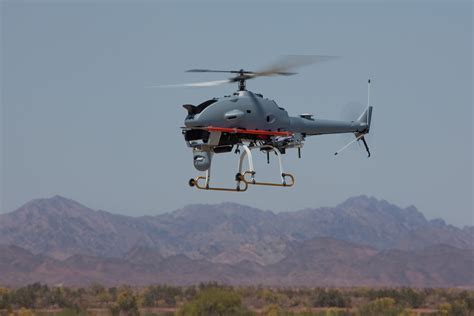
Building on the established success and proven airframe of the R-MAX, Yamaha Motor Company embarked on a strategic partnership to propel its unmanned helicopter technology into the realm of full autonomy. In May 2014, Yamaha joined forces with Northrop Grumman, a leading American global aerospace and defense technology company, to develop the R-Bat (Rotary Bat). This collaboration aimed to transform the remotely piloted R-MAX into a fully autonomous unmanned helicopter system, significantly expanding its potential applications for both military and civilian markets. The R-Bat initiative sought to integrate Northrop Grumman’s sophisticated autonomous control systems, sensor payloads, and mission planning expertise with Yamaha’s reliable and efficient R-MAX helicopter platform.
The vision for the R-Bat was to create an unmanned system capable of performing complex missions with minimal human intervention, operating beyond line-of-sight and for extended durations. For military applications, a fully autonomous R-Bat could undertake intelligence, surveillance, and reconnaissance (ISR) missions, maritime patrol, border security, and logistics support, particularly in environments deemed too dangerous or inaccessible for manned aircraft or ground personnel. Its potential for persistent surveillance and data collection would offer a significant tactical advantage. In the civilian sphere, the R-Bat’s autonomy could enhance its utility in large-scale agricultural management, extensive infrastructure inspection over vast areas (such as pipelines or power grids), advanced disaster response requiring coordinated multi-UAV operations, and complex environmental monitoring tasks. The move towards full autonomy represents a natural evolution for the R-MAX platform, addressing the growing demand for more sophisticated, independent unmanned systems that can operate with greater efficiency and reduced human workload. This partnership signaled Yamaha’s commitment to staying at the forefront of UAS innovation, adapting its proven technology to meet the evolving needs of a rapidly advancing global market.
Yamaha R-MAX: Detailed Technical Specifications
The engineering behind the Yamaha R-MAX is a key factor in its operational success. Understanding its specific characteristics provides insight into its capabilities and limitations:
- General Characteristics:
- Length: 3.63 meters (11 feet 11 inches) – This relatively compact length allows for operation in tighter spaces and easier ground handling.
- Width: 0.72 meters (2 feet 4 inches) – A narrow profile, beneficial for transport and navigating obstacles.
- Height: 1.08 meters (3 feet 7 inches) – Low height contributes to stability and ease of maintenance.
- Empty Weight: 64 kg (141 lb) – A crucial metric indicating a lightweight design, maximizing payload potential.
- Max Takeoff Weight (MTOW): 94 kg (207 lb) – The upper limit for safe operation, including fuel and payload.
- Maximum Payload: 28–31 kg (62–68 lb) – This capacity is substantial for its size, accommodating various spray systems or sensor packages.
- Powerplant:
- Type: 1 × water-cooled 2-cylinder 2-stroke engine
- Displacement: 0.246 L (15.01 cubic inches) – Provides a good balance of power and fuel efficiency for its mission profile.
- Rotor System:
- Main Rotor Diameter: 3.115 meters (10 feet 3 inches) – Optimized for lift and maneuverability in its weight class.
- Performance:
- Endurance: Approximately 1 hour – Sufficient for targeted agricultural spraying sorties or specific surveillance tasks before needing to refuel.
- Avionics:
- Control System: Yamaha Attitude Control System (YACS) – An advanced system ensuring flight stability and precise control, critical for low-altitude operations and payload delivery.
These specifications collectively define an aircraft that is agile, capable, and well-suited for precision tasks. The payload capacity, for instance, directly translates to its effectiveness in agriculture, allowing it to carry a meaningful amount of spray liquid. The endurance, while modest compared to some fixed-wing UAVs, is perfectly adequate for the short-range, high-intensity work it was primarily designed for, such as treating individual fields or conducting localized surveys.
The Enduring Legacy and Impact of the Yamaha R-MAX
The Yamaha R-MAX has carved an indelible mark on the landscape of unmanned aerial technology. Its most profound contribution lies in revolutionizing precision agriculture, particularly in Japan, where it provided an economically viable and highly efficient solution for crop spraying in challenging terrains. By enabling targeted application of treatments, it not only boosted agricultural productivity and reduced costs for farmers but also promoted more environmentally responsible farming practices by minimizing chemical overuse and drift. This success demonstrated the practical, real-world benefits of UAV technology in a key commercial sector long before drones became ubiquitous.
Beyond agriculture, the R-MAX established itself as a pioneering platform for a multitude of critical applications. Its deployment in hazardous environments, from active volcanoes like Mount Usu to the radiological exclusion zone of Fukushima, showcased the unique capabilities of unmanned systems to gather vital data and perform essential tasks where human presence is impossible or unacceptably risky. These high-profile missions significantly raised awareness of the potential of UAVs in disaster management and environmental monitoring. Furthermore, its adoption by leading research institutions worldwide as a robust platform for developing and testing autonomous flight systems has directly contributed to advancements in UAV guidance, navigation, and control, nurturing innovation and training the next generation of engineers in this rapidly evolving field. The R-MAX effectively paved the way for more sophisticated and autonomous unmanned systems, proving the concept of unmanned helicopters as reliable workhorses. Its FAA approval in the United States was a crucial step in legitimizing commercial UAV operations and helped to shape the regulatory frameworks necessary for their broader integration. Even as newer technologies emerge, the R-MAX’s legacy as a versatile, reliable, and groundbreaking unmanned helicopter endures, its impact resonating through the continued expansion and diversification of the global UAV industry.
Conclusion: A Trailblazer in Unmanned Aerial Systems
The Yamaha R-MAX is far more than just an unmanned helicopter; it is a seminal piece of technology that has consistently proven its worth across a spectrum of demanding applications. From its initial design as a precision tool for Japanese agriculture to its critical roles in disaster response, environmental monitoring, and advanced research, the R-MAX has demonstrated exceptional versatility, reliability, and engineering ingenuity. Its operational successes have not only provided invaluable services but have also significantly contributed to the acceptance and advancement of unmanned aerial systems globally. The R-MAX stands as a powerful example of how targeted innovation can address specific challenges and subsequently unlock a much broader range of possibilities, cementing its status as a true pioneer and an enduring benchmark in the world of unmanned aviation.