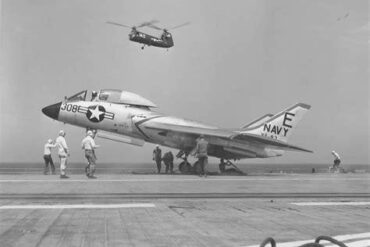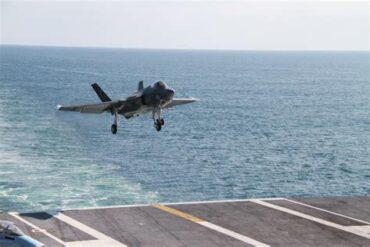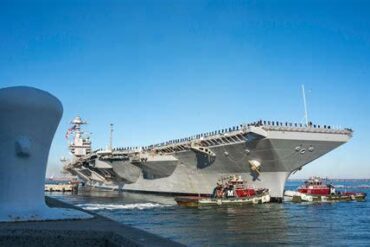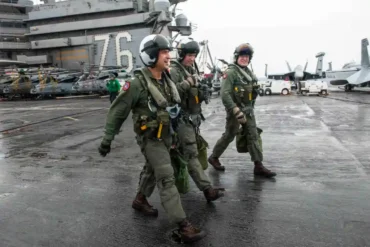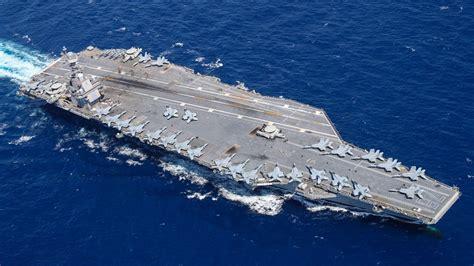
A U.S. Navy aircraft carrier is far more than a warship. It is a floating city, an airport, a power plant, an engineering complex, and a military command center operating thousands of miles from shore. With thousands of sailors and dozens of aircraft aboard, every person plays a critical role in keeping the vessel combat-ready.
Life aboard a carrier is demanding for everyone, but some positions require exceptional skill, endurance, and the ability to perform under extreme pressure. From the noisy flight deck to the hot machinery spaces deep inside the ship, sailors face dangerous conditions where mistakes can have serious consequences.
The flight deck is often described as the “deadliest 4.5 acres in the world” because of the combination of jet aircraft, moving equipment, fuel, weapons, and constant operations. However, some of the most difficult jobs are not always visible to those watching carrier operations from the outside. Many sailors working below deck face equally intense challenges involving engineering, weapons, and ship maintenance.
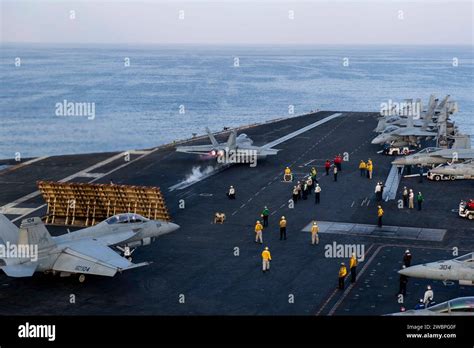
While every Navy career requires dedication, several positions aboard an aircraft carrier stand out because of their complexity, danger, and responsibility. These jobs demand years of training, technical expertise, and the ability to make quick decisions in some of the most stressful environments in the military.
Air Boss: The Commander Controlling Carrier Flight Operations
Among the most demanding leadership positions aboard a carrier is the Air Boss, officially known as the ship’s Air Officer. The Air Boss is responsible for managing nearly every aspect of flight operations, making the position one of the most important jobs on the entire ship.
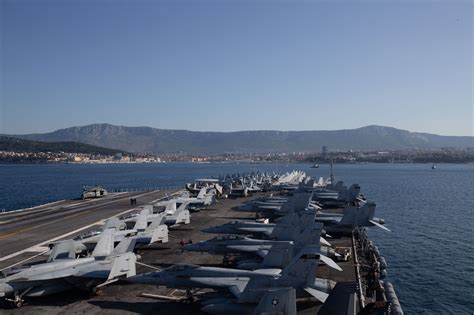
Unlike a traditional airport controller, an Air Boss operates from a control tower positioned on a constantly moving vessel. The carrier itself may be traveling through changing weather conditions, while aircraft launch and recover at extremely high speeds just feet away from the ocean.
The Air Boss controls aircraft movements within approximately five nautical miles of the carrier and up to 3,000 feet above the ship. This includes coordinating aircraft launches, approving landing operations, and ensuring that flight deck activities happen safely and efficiently.
The complexity of the role requires extensive aviation experience. An Air Boss must typically have commanded a carrier-based aviation squadron and accumulated thousands of flight hours before being considered for the position. This background allows them to understand both the technical and operational challenges faced by pilots.
The job also involves managing hundreds of personnel. An Air Boss is responsible for a department that can include up to 600 sailors, meaning the position is not only about aviation expertise but also leadership, communication, and decision-making.
Every aircraft launch and recovery carries risk, and the Air Boss must constantly balance speed with safety. A delay can affect an entire mission, but rushing operations can create dangerous situations. This combination of responsibility and pressure makes the Air Boss one of the most challenging roles aboard a U.S. aircraft carrier.
Aviation Boatswain’s Mate: The Sailors Facing the Danger Of The Flight Deck
While officers coordinate flight operations, Aviation Boatswain’s Mates (ABs) are among the sailors performing the most physically dangerous work on the carrier. These enlisted sailors operate directly on the flight deck, where aircraft movements happen at incredible speed and intensity.
Wearing green jerseys as part of the Navy’s flight deck color system, Aviation Boatswain’s Mates are responsible for aircraft handling during launch and recovery operations. They help position aircraft, manage equipment, and support the rapid turnaround of jets preparing for missions.
Modern aircraft carriers can launch aircraft within seconds of each other. This means ABs must remain constantly alert while working around powerful jet engines, moving aircraft, and heavy equipment.
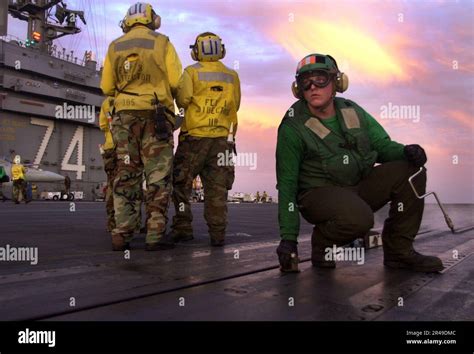
The dangers are numerous. A sailor standing too close to an aircraft’s arresting cable could suffer severe injuries when the cable rapidly retracts after catching a landing aircraft. Jet exhaust can produce tremendous heat and force, while aircraft engines create risks involving powerful suction near air intakes.
Although safety procedures have improved significantly, the flight deck remains one of the most hazardous workplaces in the world. Sailors in these positions operate in loud, stressful conditions while wearing protective equipment and maintaining constant awareness.
Aviation Boatswain’s Mates also work around the clock because carrier flight operations do not follow a traditional schedule. Aircraft may launch during daytime missions, nighttime operations, or emergency situations. Their ability to perform under pressure directly affects the carrier’s ability to project air power.
Machinist’s Mate: Keeping The Carrier’s Massive Engineering Systems Alive
Deep inside an aircraft carrier, far away from the visible action of the flight deck, Machinist’s Mates (MMs) maintain the mechanical systems that keep the ship moving. Without them, a carrier’s aircraft operations and global missions would quickly come to a halt.
Machinist’s Mates are among the Navy’s most versatile technicians. Their responsibilities include maintaining propulsion systems, repairing mechanical equipment, and supporting countless systems throughout the ship.
On a nuclear-powered aircraft carrier, MMs work closely with the machinery connected to the ship’s nuclear propulsion system. The reactor produces steam, which drives turbines that generate the power needed to move the massive vessel through the ocean.
Working around these systems creates a demanding environment. Machinery spaces can become extremely hot, especially during operations in warm regions such as the Persian Gulf. Temperatures inside engineering areas can exceed 100 degrees Fahrenheit, creating additional physical stress for sailors working long shifts.
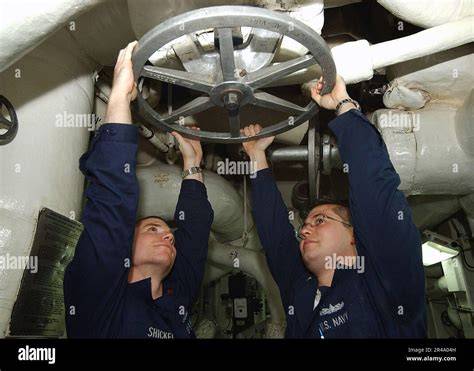
The challenges are not limited to heat. Machinist’s Mates often work in areas with constant noise, limited natural light, and complex equipment that requires precise maintenance. They may spend extended periods below deck without seeing daylight.
Their responsibilities also extend beyond propulsion. They can be called upon to repair equipment ranging from ventilation systems to mechanical components throughout the ship. Essentially, they are the engineers responsible for keeping the carrier functioning as a massive floating machine.
Aviation Ordnanceman: Handling The Carrier’s Weapons Arsenal
An aircraft carrier exists to project military power, and the sailors responsible for managing that capability are Aviation Ordnancemen (AOs). These specialists handle the weapons and ammunition carried by naval aircraft.
AOs are responsible for storing, inspecting, maintaining, transporting, and preparing various types of aircraft weapons. Their work can involve missiles, bombs, ammunition, and other explosive systems used by carrier-based aircraft.
The job requires extraordinary attention to detail because even small mistakes can have catastrophic consequences. Every weapon must be handled according to strict procedures to ensure the safety of the crew and the effectiveness of combat operations.
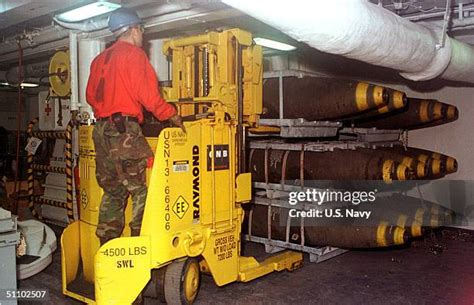
Aircraft carriers can carry enormous amounts of ordnance. During one ammunition loading operation aboard the USS Gerald R. Ford (CVN-78), more than 200 pallets of ammunition weighing approximately 541,000 pounds were transferred to the ship.
Aviation Ordnancemen also wear red jerseys on the flight deck and may participate in emergency response operations, including crash and salvage duties. Their training requires knowledge of numerous weapon systems and the ability to work safely around highly dangerous materials.
The risks associated with weapons handling are real. Historical incidents, such as the 1966 fire aboard the USS Oriskany, demonstrated the devastating consequences of ammunition accidents. The tragedy resulted in the deaths of 44 sailors and highlighted the importance of strict safety procedures.
Despite these risks, AOs perform essential duties that allow carrier aircraft to operate effectively during military missions.
Hull Maintenance Technician: The Ship’s Expert Problem Solvers
A massive aircraft carrier contains millions of components, and keeping the structure and internal systems functioning requires the expertise of Hull Maintenance Technicians (HTs).
HTs are the ship’s skilled metalworkers, welders, and fabricators. Their responsibilities include repairing damaged structures, maintaining plumbing systems, and creating custom parts when replacements are unavailable.
The unpredictable nature of the job makes it especially challenging. An HT may spend hours working on one project, only to receive an urgent request requiring immediate attention elsewhere on the ship.
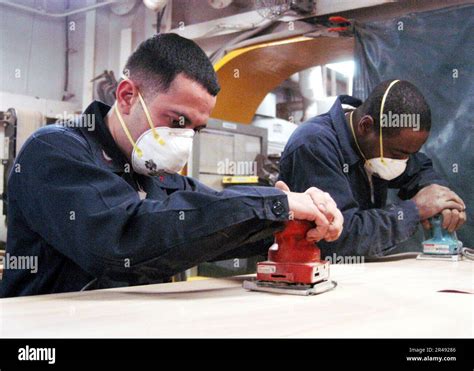
Because aircraft carriers are essentially floating cities, unexpected problems are inevitable. Plumbing failures, damaged components, and structural repairs must be addressed quickly because the ship cannot simply visit a repair facility whenever something breaks.
HTs may work in some of the deepest areas of the vessel one day and perform repairs near command spaces the next. Their ability to adapt and solve problems quickly is critical to maintaining the ship’s operational capability.
The work requires advanced technical skills, physical endurance, and creativity. When a replacement part is unavailable, HTs often have to fabricate solutions themselves using their welding and machining expertise.
The Unsung Specialists Behind America’s Aircraft Carriers
A U.S. Navy aircraft carrier depends on thousands of sailors performing highly specialized jobs. While pilots and aircraft often receive public attention, the people maintaining flight operations, engineering systems, weapons, and ship structures are equally important.
The most difficult jobs aboard these ships share common challenges: extreme working conditions, constant pressure, technical complexity, and the responsibility of protecting thousands of lives. Whether standing on the dangerous flight deck or working deep inside the ship’s machinery spaces, these sailors ensure that the carrier remains one of the most powerful military platforms in the world.
The success of every carrier mission depends on these skilled professionals. Their work may happen away from public view, but their contribution is essential to maintaining the strength and readiness of the U.S. Navy.