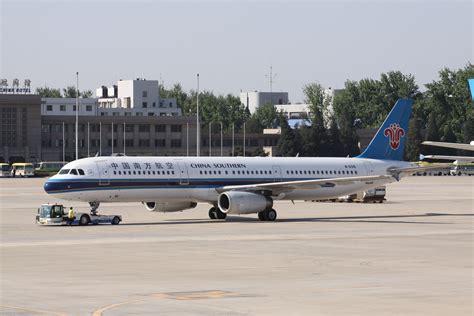
Airbus has taken a decisive step in deepening its industrial integration with China by initiating the equipping of A321 fuselages at its facility in Tianjin. This bold move represents a significant evolution in the aerospace giant’s strategy to localize production in one of its most important global markets. More than just an expansion of its A320 family operations in China, the A321 equipping marks the beginning of a more intricate collaboration that spans design, manufacturing, and logistics, aligning with broader geopolitical and economic partnerships between Europe and China.
Strategic Expansion of Single-Aisle Aircraft Production in China
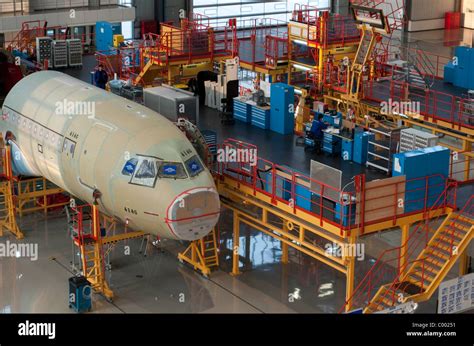
The Airbus A321 is the longest and highest-capacity variant of the A320neo family, and its increased presence in Asia underscores growing demand for larger single-aisle aircraft in fast-growing aviation markets. The decision to begin fuselage systems equipping in China—a critical production step that includes installing electric, hydraulic, oxygen, and flight control systems—extends Airbus’ vertical integration into the region’s aerospace ecosystem.
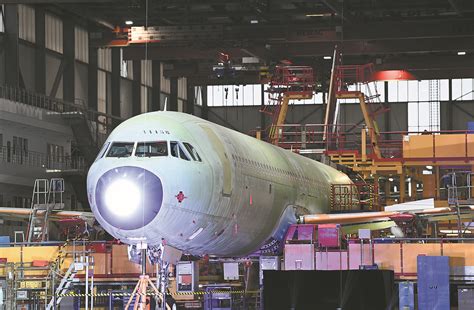
The fuselage sections of the first A321 unit designated for Chinese equipping operations arrived earlier this month at Tianjin Port. These segments were transferred to the Xi’an Aircraft International (Tianjin) Corporation (XAT) facility—Airbus’ partner and subsidiary of AVIC Xi’an Aircraft Industry Group Company Ltd. Over the next 50 working days, a joint engineering team from Airbus and XAT will perform a series of precise installations, inspections, and functional tests, setting the stage for final assembly at the Airbus Tianjin Final Assembly Line (FAL).
The equipping process involves:
- Isolation and bracket installation
- Electrical system integration
- Flight control system routing
- Hydraulic and oxygen system setup
- Drainage network implementation
Once completed, the equipped fuselage will move directly into Airbus’ Tianjin FAL, streamlining production and minimizing transcontinental logistics. The completion of this process is scheduled for October 2025, making it a landmark milestone in Airbus’ Chinese operations.
Strengthening a Proven Partnership with Xi’an Aircraft
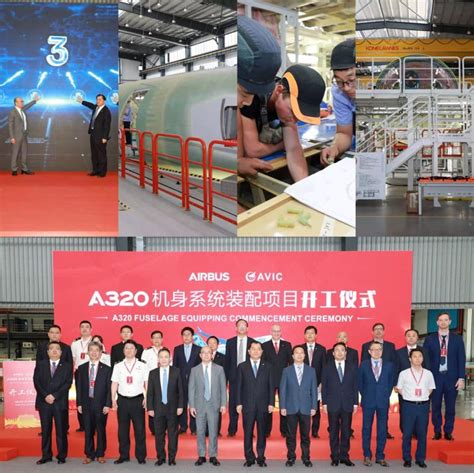
This initiative builds on the successful A320 fuselage equipping program launched in June 2021, also in collaboration with AVIC Xi’an. Since that date, over 104 fuselages have been delivered by XAT to Airbus’ Tianjin assembly line, making the Chinese company a strategic Tier-1 supplier for the European manufacturer. These achievements are not isolated; they’re part of a larger commitment to integrate local expertise, labor, and supply chains into Airbus’ global production network.
The growth of the A321 program in China comes at a critical time. Airbus projects over 9,500 new aircraft deliveries to Chinese carriers over the next 20 years—roughly 20% of global demand. With major domestic carriers like Air China, China Eastern, China Southern, and Xiamen Airlines expanding their narrowbody fleets, the importance of producing closer to market is more strategic than ever.
In light of these market dynamics, Airbus has also announced an upgrade of its Tianjin production facilities and the construction of a second Final Assembly Line, which is expected to be operational by early next year. When completed, Tianjin will become one of only two locations globally—alongside Hamburg—housing two single-aisle FALs, reinforcing its central role in Airbus’ global manufacturing footprint.
Economic and Industrial Impact on China’s Aviation Ecosystem
Airbus’ industrial collaboration with China is not merely symbolic—it represents substantial economic value. The total value of cooperation between Airbus and China’s aviation industry has now surpassed $1 billion, a monumental rise from just $140 million in 2008. This steep growth curve signals the increasing technological sophistication and reliability of Chinese aerospace suppliers.
Today, more than 200 Chinese suppliers are integrated into Airbus’ global supply chain. From precision manufacturing of airframe components to avionics, interiors, and now complex system installations, Chinese firms are evolving into end-to-end contributors in the aircraft production cycle. Airbus aircraft flying around the world now incorporate hundreds of components designed and built in China, a testament to the growing technical maturity of the nation’s aerospace sector.
This strategic cooperation also dovetails with China’s own ambitions to elevate its aviation industry. As the country aims to challenge incumbents with its COMAC C919 and ARJ21 jets, experience gained from working with global leaders like Airbus is accelerating knowledge transfer, tooling precision, and production discipline—cornerstones of long-term industrial independence.
Diplomatic Milestones and Symbolic Timing
The launch of the A321 fuselage equipping program coincides with significant diplomatic anniversaries. In 2025, Airbus and China celebrate 40 years of partnership, while the European Union and China mark 50 years of bilateral relations. These dual milestones highlight how aerospace manufacturing has become a cornerstone of broader strategic cooperation, extending far beyond commercial transactions.
This partnership now encompasses every phase of an aircraft’s lifecycle:
- Research and development
- Component manufacturing
- Final assembly
- Operational support
- End-of-life recycling
The level of cooperation and trust achieved between Airbus and its Chinese partners reflects a mutual commitment to sustainability, scalability, and strategic depth. The ability to carry out increasingly complex tasks like A321 equipping domestically also suggests that China’s aviation workforce is gaining access to higher-value, knowledge-intensive roles, building the foundation for long-term self-sufficiency.
Airbus’ Growing Presence in the Chinese Aviation Market
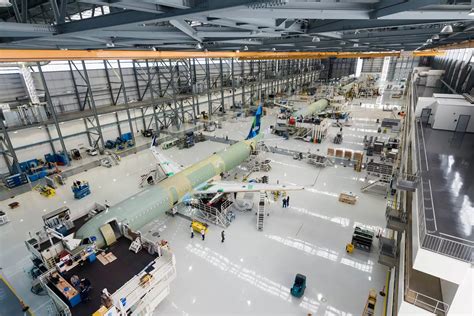
China has already become Airbus’ largest single-country market worldwide, with over 2,220 Airbus aircraft in active service across the nation. This number spans the full product line—from the ubiquitous A320 family to the long-range A330 and A350 widebodies. To support this extensive fleet, Airbus operates 10 offices and facilities across China, employing around 2,300 people in roles ranging from logistics and assembly to procurement and engineering.
Airbus China CEO George Xu commented that the newly launched A321 equipping initiative is not just an operational decision—it is a strategic endorsement of China’s manufacturing reliability. He stated:
“This newly launched A321 fuselage equipping project advances our partnership on single-aisle aircraft and demonstrates Airbus’ commitment to localization.”
Indeed, by localizing more complex parts of the aircraft production process, Airbus is both mitigating global supply chain risks and future-proofing its competitiveness in an increasingly complex geopolitical environment.
Challenges Ahead for China’s Aviation Aspirations
Despite growing industrial alignment, some roadblocks remain. Notably, China’s efforts to achieve EU certification for its domestically produced COMAC aircraft have stalled. Without regulatory alignment, COMAC’s international ambitions remain limited to emerging markets and domestic airlines. However, the continued involvement with Airbus offers Chinese engineers and regulators valuable insight into the stringent safety, documentation, and production standards that define European aerospace regulation.
Nevertheless, the collaborative trajectory is clear. As Airbus looks to expand its vertical integration, Chinese partners are likely to benefit from even greater access to proprietary technologies, advanced training, and high-value contracts. In return, Airbus secures both cost efficiencies and market proximity, vital for navigating today’s volatile global aerospace landscape.
Conclusion: A Vision for the Next Decade
The launch of A321 fuselage equipping in Tianjin is more than just an incremental production milestone. It is a strategic inflection point for Airbus and a strong indicator of China’s growing stature as not just a buyer but a builder in the global aviation ecosystem. By embedding sophisticated production capabilities inside China, Airbus is writing the next chapter in its story of globalization—one built on shared expertise, strategic alignment, and long-term vision.
As the aerospace world looks toward the next decade of sustainable aviation, digital transformation, and resilient supply chains, partnerships like this one between Airbus and China will not only define the future of aircraft manufacturing—but may also determine who leads the skies of tomorrow.