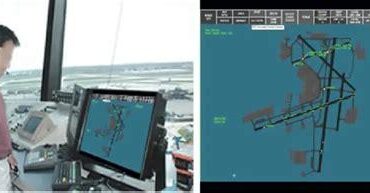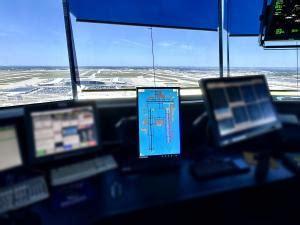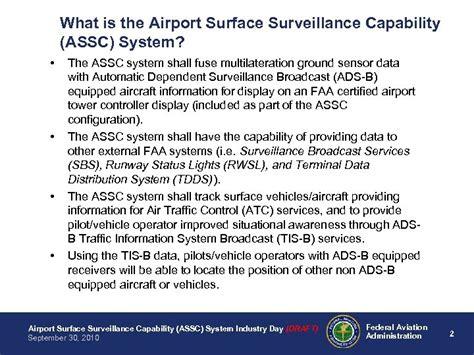
The Airport Surface Surveillance Capability (ASSC) is an important tool for runway safety. This system allows both controllers and pilots equipped with ADS-B In and cockpit displays to see aircraft and ground vehicles on the airport surface, as well as on approach and departure paths a few miles from the airport. One of the key advantages of ASSC is that it enhances surface surveillance and situational awareness, regardless of weather conditions. It builds on a previous system used in the U.S., known as the Airport Surface Detection Equipment, Model X (ASDE-X).
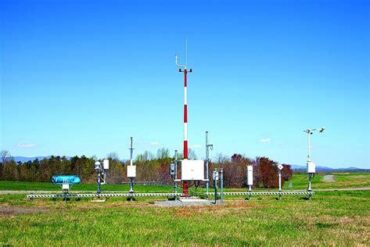
ASSC collects data from various sources, including ASDE-3 surface movement radar, multilateration remote units, ADS-B, and Airport Surveillance Radar/Mode-S. It also incorporates terminal automation for flight plan data. By fusing this information, ASSC creates an accurate display that shows controllers the locations of aircraft and ground vehicles within the movement area and along arrival and departure routes. Pilots can also receive this data through TIS-B and their cockpit displays. Moreover, the information is shared with other FAA systems like Automatic Dependent Surveillance Broadcast (ADS-B), SWIM, and Runway Status Lights.
The benefits of ASSC are significant. It helps prevent runway collisions and improves situational awareness for all involved. The system effectively covers the airport from arrival through departure paths within a few miles, correlating flight plan details with real-time position displays. It provides surveillance data that is both accurate and timely, supporting situational awareness in any weather. Additionally, it aids in departure queuing, conflict detection, alerts, and monitoring taxi route conformance.