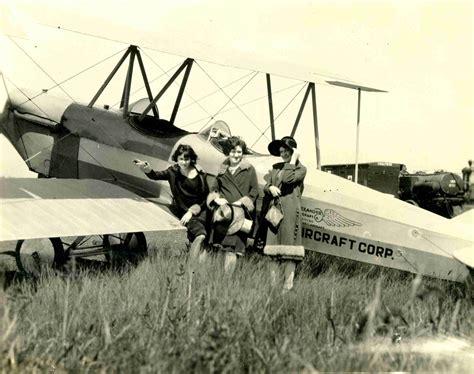
The Alexander Aircraft Company occupies a unique place in the early history of American aviation. Emerging from a creative background in cinematic advertising, the company transitioned into a powerhouse of aircraft manufacturing during the late 1920s. From humble beginnings in Englewood, Colorado, to a tragic industrial disaster, followed by an ambitious relocation and revolutionary aircraft designs, Alexander Aircraft was emblematic of both the boundless optimism and harsh realities of aviation’s golden age.
Founded in 1925 as a spinoff from the Alexander Film Company, the aircraft division was a direct result of entrepreneurial ingenuity. J. Don Alexander, determined to boost aerial advertising, decided to buy 50 airplanes to meet growing promotional demands. His requests to major manufacturers went unanswered, prompting a decision that would alter the course of aviation history—he would build them himself. Thus, the Alexander Aircraft Company was born.
The Colorado Beginnings: Building an Empire from Film
The initial operations in Englewood reflected a startup mentality driven by ambition. Justin McInaney, dispatched to Missouri to acquire a Swallow aircraft and learn to fly under the legendary Ben O. Howard, returned with more than a plane—he brought back critical flying skills and a contagious enthusiasm. He later trained figures like Jack Frye, who would go on to lead TWA, and Al Mooney, who would eventually found Mooney Aircraft.
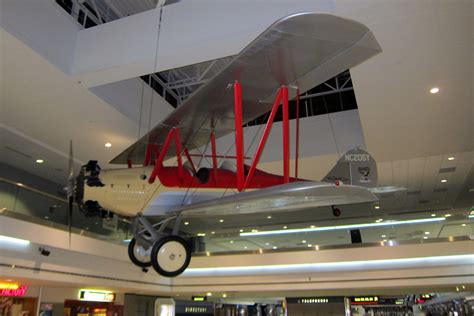
By 1928, the company was producing up to eight aircraft per day, an astounding output for its time. The most iconic of its products was the Alexander Eaglerock, a two-seat biplane that became synonymous with affordable and accessible aviation for the American public.
Despite its success, the rapid growth came with structural and safety compromises. The Englewood plant was built hastily, violating fire and building regulations that the company chose to ignore—setting the stage for tragedy.
The Englewood Disaster: Fire, Scandal, and Accountability
On April 20, 1928, a catastrophic fire erupted in the doping shed—where flammable cellulose nitrate was applied to aircraft wings. The building lacked basic safety provisions: exits opened inward, the windows were high and barred, and the structure was saturated with volatile chemicals. As the fire spread rapidly, workers—primarily seamstresses—were trapped inside.
Eleven people perished, many more were badly burned. The incident, known as “The Alexander Blast”, became Colorado’s deadliest industrial accident. The Alexander brothers and three officials faced charges of voluntary manslaughter. They ultimately pleaded guilty to lesser charges and were fined $1,000 with suspended 90-day sentences—a minimal punishment for the profound loss of life.
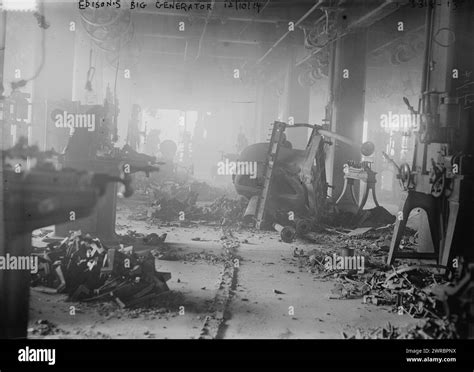
This tragedy forced the closure of the Englewood facility by the Arapahoe County Sheriff, leading the company to pursue its previously considered move to Colorado Springs.
A New Chapter in Colorado Springs: Innovation Amid Decline
The move was executed with military precision—practically overnight—and by 1931, Alexander Aircraft had reestablished full operations between Pikeview and Roswell, strategically positioned near the Santa Fe Railway and U.S. Route 85. The company rebounded with new vigor, developing innovative aircraft designs and expanding their product line.
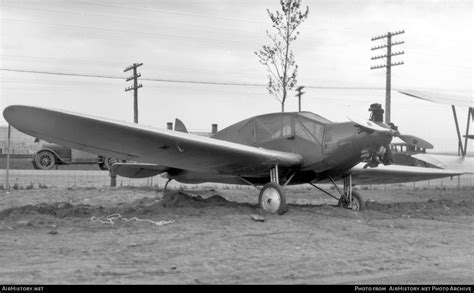
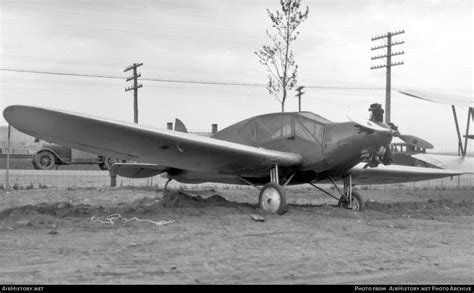
Their boldest design was the Alexander Bullet, a sleek, low-wing monoplane with retractable landing gear—decades ahead of its time. The Bullet was hailed as revolutionary, but during testing, the U.S. government mandated dangerous stall-spin trials that the plane was never designed for. Several prototypes crashed, casting a shadow over the company’s reputation. Despite eventual certification, the financial and emotional cost proved fatal for the business.
The Great Depression only worsened the situation. By August 1932, Alexander Aircraft filed for bankruptcy. However, its legacy did not disappear with the closure.
Aircraft Mechanics, Inc. and Wartime Legacy
In April 1937, a new company—Aircraft Mechanics, Inc., founded by W.F. Theis and Proctor W. Nichols, absorbed the assets of the defunct Alexander Aircraft. The successor firm transitioned from aircraft manufacturing to component production, playing a vital role in the Second World War. It manufactured parts for Douglas Aircraft, developed U.S. Air Force ejection seats, and even supplied seating systems for the Space Shuttle program.
This pivot to aerospace support highlighted the residual strength of Alexander’s industrial foundation, even if the original company no longer existed.
Technological Contributions and Aircraft Lineup
Among the various aircraft developed by the Alexander Aircraft Company, several models stand out:
- Alexander Eaglerock (1925) – A dependable two-seat biplane; over 893 units produced.
- Alexander Bullet (1929) – A four-seat monoplane with cutting-edge features; only 12 built due to crash-related setbacks.
- Alexander Flyabout D-1 and D-2 (1931) – Light monoplanes with limited production runs (3 and 15 units respectively).
The Eaglerock remains the most recognized aircraft from the company, still displayed in aviation museums such as the Denver International Airport and Pueblo Weisbrod Aircraft Museum.
Al Mooney and the Enduring Legacy of Talent
One of the most enduring legacies of the Alexander Aircraft Company lies in the careers it launched. Al Mooney, who cut his teeth designing aircraft under Alexander’s wing, went on to found Mooney Aircraft Corporation, which became one of the most respected names in general aviation. Mooney’s later designs, like the Mooney M20, retained the same ethos of performance, innovation, and pilot-focused engineering seen in early Alexander designs.
Moreover, Jack Frye’s rise from student pilot at Alexander’s airfield to president of TWA underscores the company’s formative role in shaping the leadership of American aviation.
Conclusion: A Meteoric Rise, a Tragic Fall, and a Legacy That Endures
In the fleeting years between 1925 and 1932, the Alexander Aircraft Company achieved milestones that many contemporaries could only dream of. It became, if briefly, the largest aircraft manufacturer in the world. It introduced bold aircraft designs that forecast the future of aviation. It nurtured the talents of individuals who would influence the industry for decades. Yet, it was also a company undone by its own haste, an avoidable disaster, and the unforgiving economic collapse of the 1930s.
Today, the name Alexander Aircraft may not carry the widespread recognition of Boeing or Lockheed, but its contribution to the early fabric of American aviation is undeniable. From biplanes soaring over the Rockies to the pioneering minds it cultivated, the company remains a symbol of a bygone era—an age where ambition, tragedy, and innovation soared on the same wings.