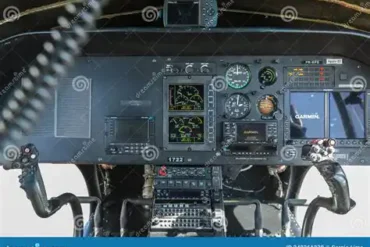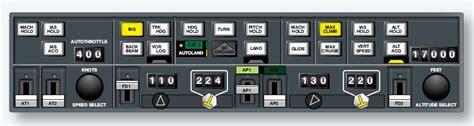
An Automatic Flight Control System (AFCS) is a key feature in modern aircraft, designed to enhance safety and efficiency. This system integrates data from various sources to provide flight guidance, navigation, and thrust management. The AFCS includes several important components, such as the autopilot, flight director, and autothrottle/autothrust. Pilots interact with the AFCS using controls and indicators like the Flight Management System (FMS), Guidance Panel (GP), autopilot controls, thrust levers, and takeoff/go-around buttons. Additionally, they can set parameters for altitude and speed.
The AFCS processes flight data and pilot inputs through advanced avionics units or computer processors. It can navigate based on a selected heading, GPS coordinates, or ground-based systems like a localizer course. All pilot selections and the status of various functions are displayed on the Primary Flight Display (PFD), ensuring that pilots have clear visibility of critical information. Overall, the AFCS plays a vital role in the safe operation of aircraft, making flying easier and more reliable.