Boeing has reached a major milestone in its recovery journey, recording 314 aircraft deliveries in the first half of the year, its strongest first-half performance since 2018. The result represents a significant improvement for the American aircraft manufacturer as it continues rebuilding momentum after years of production challenges, regulatory scrutiny, and supply chain disruptions.
The latest figures highlight the continued recovery of Boeing’s commercial aircraft operations, led by the 737 MAX family, which accounted for the majority of deliveries. The company also maintained steady output across its widebody programs, including the 787 Dreamliner, 777, and 767, showing progress across multiple aircraft lines.
In June alone, Boeing delivered 64 aircraft, four more than both May and the same month a year earlier. The monthly performance included 42 Boeing 737 MAX aircraft, 13 Boeing 787 Dreamliners, three 777 freighters, and five 767 aircraft. These deliveries demonstrate improving production stability as Boeing works to restore confidence among airlines and regulators.
Boeing 737 MAX Drives First-Half Delivery Recovery
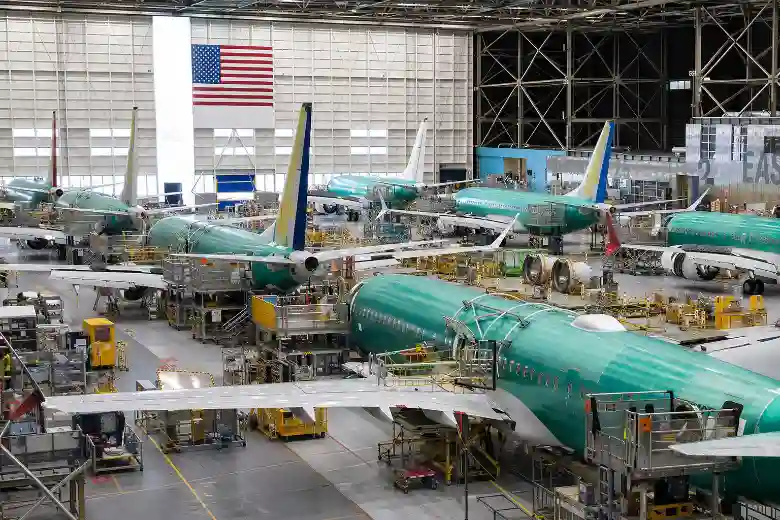
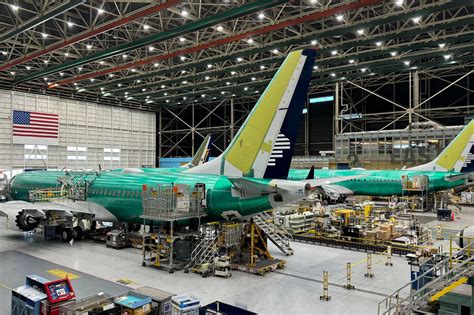
The Boeing 737 MAX remained the backbone of the manufacturer’s commercial aircraft business during the first half of the year. Boeing delivered 243 MAX aircraft, representing approximately 77% of all year-to-date deliveries. The strong performance reflects renewed production consistency for the narrowbody jet after previous delivery delays caused by regulatory inspections and manufacturing issues.
The MAX program has also achieved a historic commercial milestone. Boeing’s total orders for the MAX family have reached 7,206 aircraft, surpassing the previous record held by the 737 Next Generation family, which accumulated 7,159 orders throughout its lifetime.
The continued popularity of the 737 MAX is closely linked to strong airline demand for fuel-efficient narrowbody aircraft. Airlines worldwide are seeking modern jets that reduce operating costs while supporting expanding passenger networks, making aircraft such as the MAX and Airbus A320neo family highly competitive products in the global aviation market.
Beyond the MAX, Boeing’s 787 Dreamliner remained an important contributor, with 40 deliveries during the first half, accounting for around 12% of total deliveries. The widebody aircraft continues attracting interest from airlines expanding long-haul operations, including new operators such as Riyadh Air.
Production Growth Signals Boeing’s Operational Recovery
Boeing’s first-half results indicate a clear improvement compared with the previous year. The manufacturer achieved approximately 12% higher production output compared with the same period last year, reflecting progress in addressing supply chain challenges and increasing manufacturing efficiency.
The company’s second quarter performance was particularly strong, with 171 aircraft delivered between April and June. Commercial aircraft accounted for most deliveries, while Boeing Defense operations contributed an additional 35 aircraft during the quarter.
Defense deliveries included several important platforms such as the AH-64 Apache, CH-47 Chinook, F-15, F/A-18, KC-46 tanker, MH-139, and P-8 maritime patrol aircraft. Boeing also delivered satellites and other specialized defense systems as part of its broader aerospace portfolio.
Boeing Orders Remain Strong Despite Competitive Pressure
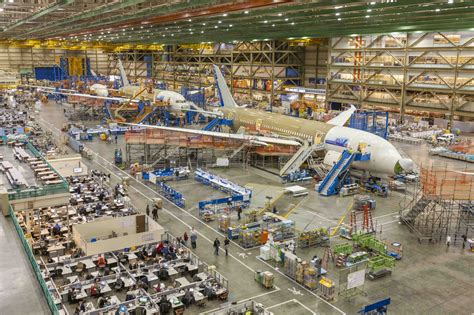
Alongside deliveries, Boeing continues to see solid demand from airline customers. In June, the company recorded 121 gross orders, with eight cancellations reducing the monthly total to 113 net orders. For the first six months, Boeing accumulated 408 total orders, including adjustments and cancellations.
The results suggest that airlines remain confident in Boeing’s future aircraft programs despite recent challenges. Demand for new aircraft remains high as carriers replace older fleets and expand capacity to meet growing passenger demand.
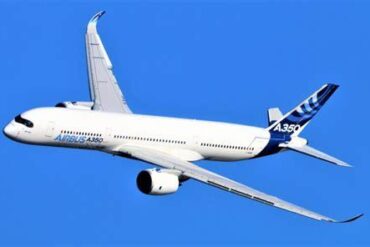
However, Boeing still faces intense competition from European rival Airbus, which remains ahead in first-half delivery numbers. Airbus delivered 351 aircraft during the same six-month period, including strong performance from its A320neo family and A350 widebody aircraft.
Airbus recorded 89 deliveries in June, with the majority coming from its single-aisle aircraft programs. The company delivered 73 A320neo family aircraft, including A321neo and A320neo models, along with additional A220 and A350 aircraft.
Boeing Focuses on Future Growth and Higher Output
Despite trailing Airbus in delivery numbers, Boeing’s latest results represent an important step toward recovery. The company is focused on increasing production capacity, including plans to expand 737 MAX output through additional manufacturing capability.
Boeing is also preparing for future growth opportunities, including the certification of the 737 MAX 7 variant, which could strengthen the company’s narrowbody lineup once approved.
The first-half delivery figures provide Boeing with renewed confidence as it moves forward under CEO Kelly Ortberg’s leadership. While challenges remain, including supply chain pressures and continued regulatory oversight, the company’s improved production performance shows meaningful progress.
With aircraft demand remaining strong worldwide, Boeing’s ability to maintain delivery momentum will be critical in determining whether it can close the gap with Airbus and regain a stronger position in the global commercial aviation market.