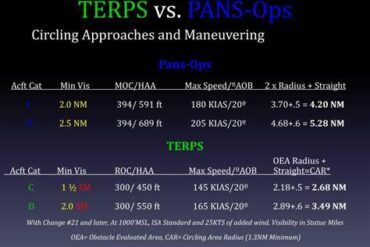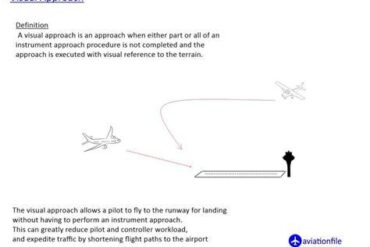
A circling approach is a special type of landing procedure used in aviation. It allows an aircraft to visually circle around an aerodrome before landing. This method is particularly helpful when a runway isn’t ideal for a straight-in landing. According to the International Civil Aviation Organization (ICAO), it’s an extension of instrument approach procedures.
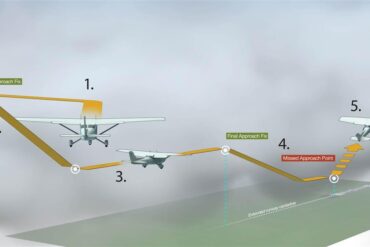
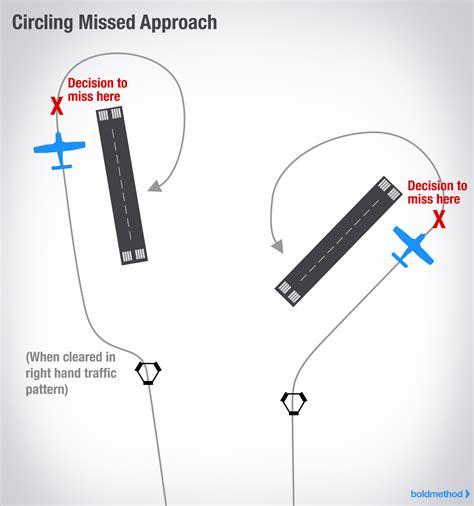
When an aircraft needs to land on a runway without an established instrument approach, it can use the circling approach. The pilot descends on an instrument approach to another runway and then looks for visual references. Once these references are established at the circling Minimum Descent Altitude/Height, the pilot can maneuver to land on the intended runway. This technique is useful when landing on the instrument runway isn’t suitable due to factors like wind conditions or ongoing work.
In case a go-around is necessary during a circling approach, pilots might face confusion. Since the aircraft approaches one runway but intends to land on another, knowing what to do can be tricky. If visual references are lost, it’s crucial to follow the missed approach specified for the procedure in use. ICAO has set a standard for this situation: the pilot should initiate a climbing turn toward the intended landing runway while remaining within the circling area. This move helps regain altitude and sets up for the missed approach. It’s important that during these maneuvers, the indicated airspeed stays below the maximum allowed for visual operations.