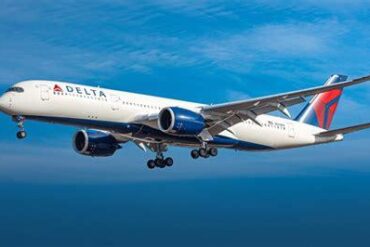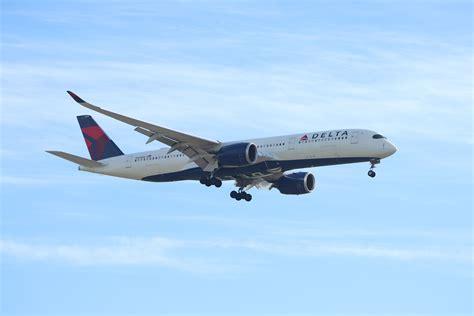
Delta Air Lines has escalated its transpacific ambitions by intensifying Airbus A350-900 operations from Seattle-Tacoma International Airport (SEA), reaffirming its strategic commitment to the Pacific Northwest. This operational pivot comes as Alaska Airlines accelerates its own international expansion from SEA, igniting a new era of competition between the two carriers. The deployment of Delta’s flagship widebody aircraft to critical Asia-Pacific destinations underscores a calculated effort to consolidate market presence and elevate the premium customer experience.
The A350-900, known for its fuel efficiency, long range, and advanced passenger amenities, is now the aircraft of choice on Delta’s three major transpacific routes from Seattle. As of March 29, 2025, service to Taipei Taoyuan (TPE) and Seoul Incheon (ICN) transitioned to the A350, while Tokyo Haneda (HND) follows suit on May 23, 2025. These upgrades represent a significant shift away from the Airbus A330-900neo, a model previously dominant on these routes.
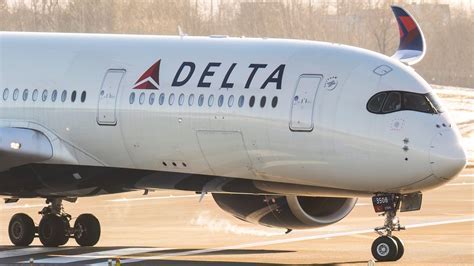
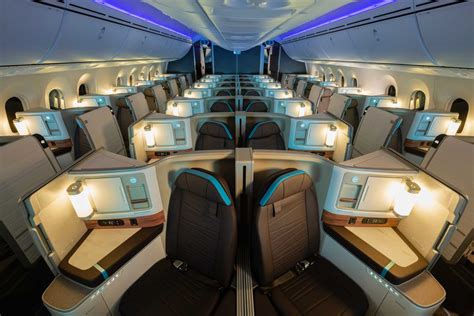
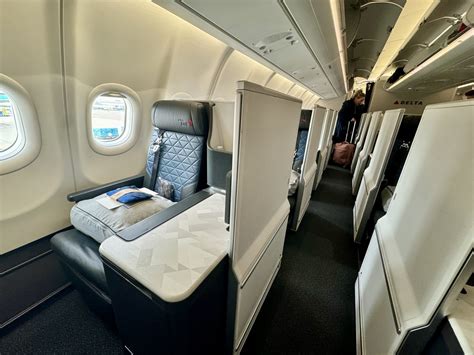
This aircraft transition not only enhances Delta’s product offering but signals an emerging strategic consolidation around the A350 platform for Asia-bound services. The A350’s superior economics and premium-heavy configuration—featuring 32 Delta One Suites, an expanded Premium Select cabin, and an overall seat count of 306—cater directly to high-yield passengers. Select aircraft, including ex-LATAM jets undergoing cabin retrofits, further reflect Delta’s aim to standardize interiors across its international fleet.
Delta’s Strategic Positioning at Seattle
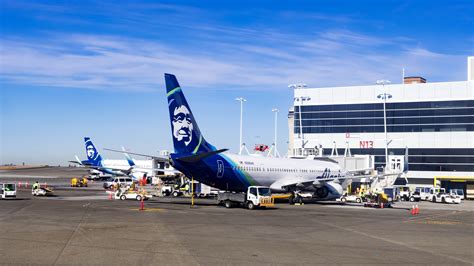
Delta’s intensified operations at Seattle are more than a response to rising demand—they are a direct strategic counter to Alaska Airlines’ global growth ambitions. As Alaska broadens its international footprint with flights to Tokyo Narita (NRT), Seoul Incheon (ICN), and a forthcoming route to Rome Fiumicino (FCO) in May 2026, Delta appears determined not to cede ground.
SEA, while not traditionally a fortress hub for Delta, is increasingly becoming a battleground for international dominance. Alaska enjoys a deep regional footprint and powerful brand loyalty across the Pacific Northwest. Conversely, Delta brings its SkyTeam alliances, global network, and high-margin international routes, but lacks entrenched local dominance. The escalation in A350 usage illustrates a commitment to close that competitive gap.
Long-Term Commitment: A350 Pilot Base Coming to SEA
Delta’s ambitions are not limited to aircraft deployments. The airline is reportedly in the advanced planning stages of establishing a dedicated A350 pilot base at Seattle-Tacoma, with a target operational date of Spring 2026. This move has profound implications for Delta’s long-term strategy.
Opening a crew base represents more than convenience—it signifies operational permanence. Pilots trained and domiciled for the A350 at SEA would enable more efficient scheduling, reduce crew repositioning costs, and streamline long-haul operations. The timing also aligns with anticipated increases in A350 frequencies and the integration of additional retrofitted airframes into the fleet.
This pilot base is a direct investment in Delta’s future transoceanic growth from Seattle. With additional A350-900s entering service, and with potential for transatlantic expansion, Delta could even extend A350 use to European markets currently served by smaller widebodies.
Competitive Response to Alaska Airlines’ Global Push
The intensifying rivalry between Delta and Alaska is perhaps most palpable at SEA. Alaska, traditionally a domestic carrier, is evolving into a serious international contender. Its upcoming launch of ICN service in September 2025 and entry into Europe with flights to Rome mark a turning point.
Delta’s countermeasures are emblematic of its broader network strategy: don’t retreat, compete. Unlike Alaska, Delta lacks the lowest unit costs or widespread local loyalty in the Seattle metro area. However, it possesses far greater international expertise, high-revenue partnerships, and unmatched brand equity in the global premium market.
Yet this competition comes at a cost. Analysts note load factors on some upgraded Delta routes—especially SEA–TPE—remain suboptimal, with excess premium seat availability. Industry insiders suggest this points to a defensive posture: Delta is willing to accept near-term revenue shortfalls to ensure Alaska cannot corner the long-haul market unchallenged.
Seattle as a Test Case in Network Economics
What’s unfolding at Seattle represents a rare moment in modern U.S. airline competition. Delta, dominant at hubs like Atlanta (ATL), Detroit (DTW), and Salt Lake City (SLC), now finds itself as the challenger in Seattle. This role reversal introduces unique pressures, particularly with the higher costs associated with A350 operations.
Delta’s decision to standardize A350s on Asia-bound routes reflects confidence not only in the aircraft’s economics, but in SEA’s long-term viability as a transpacific gateway. However, Seattle’s infrastructure presents limitations. With constrained gate space, elevated operating costs, and an increasingly crowded international terminal, both Delta and Alaska face hurdles in scaling further.
Market Outlook: Cautious Optimism or Calculated Overreach?
The underlying question remains: can Seattle sustain two international long-haul powerhouses? Historical precedent suggests the risk of overcapacity. If demand fails to meet rising supply, particularly in premium cabins, one carrier may be forced to consolidate or retreat. Delta’s fallback hubs, notably Salt Lake City, offer more control, lower costs, and room to grow international services if SEA proves unsustainable.
However, Delta’s willingness to absorb losses today may yield long-term dividends. Establishing customer loyalty, dominating high-margin Asia-Pacific corridors, and leveraging partnerships like Korean Air and China Eastern could transform SEA into a profitable cornerstone of Delta’s global map.
Ultimately, the unfolding scenario at Seattle-Tacoma International Airport will serve as a critical case study in competitive network planning. The results of this confrontation between Alaska and Delta may not be immediate—but their implications will shape North American international aviation strategies for the next decade.