Terminology
In aviation, it’s common for different manufacturers, national authorities, or users to refer to the same item using various names. The naming conventions for aircraft manuals are no exception. This article will focus on the terms Aircraft Operating Manual (AOM) and Flight Crew Operating Manual (FCOM), which can often be used interchangeably. For instance:
-
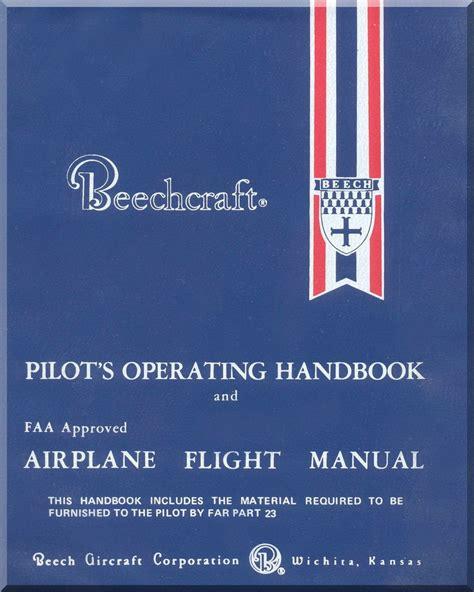
Aircraft Operating Manual: Sometimes called the Aircraft Flight Manual, Airplane Flight Manual, or Aeroplane Flight Manual (AFM).
-
Flight Crew Operating Manual: May also be referred to as Aircraft Operating Manual (AOM), Aircraft Operating Instructions (AOI), or simply, Pilot’s Manual.
Additional terms like Operations Manual or Company Operations Manual (COM) arise, focusing on how organizations conduct flight operations as mandated by national authorities.
Design Objectives
AOMs and FCOMs serve as the primary reference for flight crews, detailing aircraft operation under normal, abnormal, and emergency conditions. These manuals include system descriptions, procedures, techniques, and performance data. They form a trainee’s first introduction to a new aircraft, typically followed by simulator training and actual flying experience. Operating manuals must cater to initial training, transition training, and line operations effectively.
Users
The content and structure of operating manuals should address the diverse needs of various users, including trainees, experienced pilots transitioning to new aircraft, instructors, and check airmen. These users come with different technical backgrounds, flying experiences, and familiarity with previous aircraft types.
User Needs
Learning is often a linear process where one studies basic systems, normal procedures, and emergency protocols. In contrast, flying involves a contextual approach where information needs arise based on specific situations. Operating manuals should align with the user’s mental model, helping them understand what to do, when to do it, and how to make the best choices to achieve their goals. Therefore, the contents of these manuals should be goal-oriented and context-driven.
Authoring
Creating operating manuals involves understanding the needs of the user, including their profiles, expectations, and behaviors. It’s essential to define what information is necessary, how it should be presented, and where users expect to find it. Sometimes, real-world experiences challenge existing assumptions, leading to updates in manuals and training. Even though AOMs and FCOMs are often written by individuals who are not airline pilots or native English speakers, they must still be crafted from a pilot’s perspective, using terminology familiar to pilots. The aim is to provide clear and concise information that enhances understanding and aids in the effective use of the aircraft.
Paper vs Electronic Operating Manuals
When considering paper versus electronic documentation, specific factors should be taken into account. Accessing paper manuals requires identifying what you need and knowing where to find it. While electronic formats can replicate traditional manuals, they can also offer dynamic, scenario-based consultations that present contextual information automatically. For example, if there’s low hydraulic pressure, the system schematics relevant to that situation should be readily available.
Conclusion
Operational documentation, such as AOMs and FCOMs, must be:
-
Pilot-oriented
-
Easy to access and use
-
Clear and understandable
-
Accurate and reliable
-
Self-sufficient
-
Stable, avoiding frequent changes unless critical
Above all, these manuals must be trusted, as they are the primary reference during emergencies.