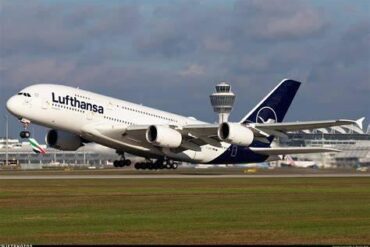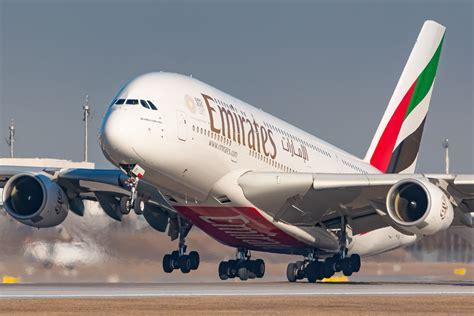
The Airbus A380, the world’s largest passenger aircraft, is a marvel of aviation engineering — but its sheer size presents formidable challenges for airport infrastructure. Not every airport can accommodate the superjumbo. In Europe, only a select few hubs have the necessary infrastructure, approvals, and operational readiness to host these giants of the sky. In this article, we dive into the technical requirements, list of compatible airports, and the busiest A380 routes involving Europe, while examining what makes an airport truly A380-ready.
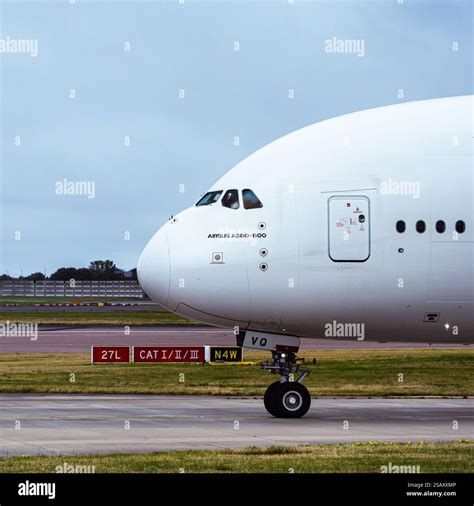
European Destination Airports: The Core Network For A380 Operations
As of the most recent data, 125 airports globally were approved to handle the Airbus A380 — and among these, 19 are located in Europe. These airports are fully certified, meaning they meet stringent airside, safety, and operational standards established by the International Civil Aviation Organization (ICAO) and the Airbus Airport Compatibility Group (AACG).
Europe’s core A380 destination airports include:
- London Heathrow (LHR) – The busiest A380 airport in Europe, and Emirates’ flagship destination.
- Paris Charles de Gaulle (CDG) – A key gateway for Emirates, Etihad, Qatar Airways, and Singapore Airlines.
- Frankfurt (FRA), Munich (MUC), and Düsseldorf (DUS) – Germany’s major international airports.
- Amsterdam Schiphol (AMS) – A high-traffic hub with a long history of handling large aircraft.
- Madrid Barajas (MAD) and Barcelona El Prat (BCN) – Spain’s primary international nodes.
- Rome Fiumicino (FCO) and Milan Malpensa (MXP) – Major Italian airports approved for A380.
Other approved European airports include Manchester, Zurich, Copenhagen, Birmingham, Glasgow, Nottingham, and Prague, reflecting a geographically dispersed network that supports both commercial and contingency A380 operations.
Alternate Compatible Airports: Emergency And Future-Ready Facilities
Beyond the primary destinations, more than 220 European airports are designated as alternate A380-compatible facilities. These airports meet the critical physical and safety parameters — such as runway length, pavement strength, and taxiway width — to safely land an A380 in emergencies or weather diversions.
These alternate airports include:
- Berlin Brandenburg (BER) and Geneva (GVA)
- Athens (ATH), Shannon (SNN), Faro (FAO), and Edinburgh (EDI)
- Seville (SVQ), Belgrade (BEG), Split (SPU), and Sofia (SOF)
While not regular A380 destinations, these facilities are often used in operational diversions and as testing grounds for potential A380 expansion. Furthermore, up to 400 airports have been identified as either alternate, future-compatible, or in developmental stages of A380 readiness.
What Makes An Airport A380-Compatible?
Handling an aircraft like the Airbus A380 requires extensive structural, operational, and safety modifications. According to the ICAO Code F and AACG’s A380-specific guidelines, airports must exceed the standards of Code E (used for aircraft like the Boeing 777).
Key specifications include:
- Runway width: Minimum 60 to 75 meters including shoulders
- Taxiway width: 60 meters to allow for A380’s massive wingspan
- Gate clearance: 7.5 meters on each side for wingtip safety
- Taxiway separation: At least 190 meters from parallel runways or objects
- Jet blast protection zones: Especially on taxiway bridges and gate areas
Surfaces must be reinforced to withstand aircraft that can weigh over 575 tonnes, and off-runway areas must be stable enough to support 30-tonne rescue vehicles. Airports must also demonstrate robust firefighting and rescue readiness under ICAO standards.
The Busiest A380 Routes To Europe: Emirates Dominates
With over 186 flights per month, Dubai to London Heathrow is the busiest A380 route to Europe, operated exclusively by Emirates. The route is a flagship corridor connecting two global hubs with demand for both business and luxury travel.
Other major A380 routes include:
- Dubai to Paris Charles de Gaulle: 93 monthly flights
- Dubai to Manchester: Also 93 monthly flights
- Abu Dhabi to London Heathrow (Etihad Airways): 84 monthly flights
- Doha to London Heathrow (Qatar Airways): 62 monthly flights
British Airways remains the only European carrier operating the A380, focusing on long-haul routes such as Johannesburg to London, which saw 62 flights in July 2025.
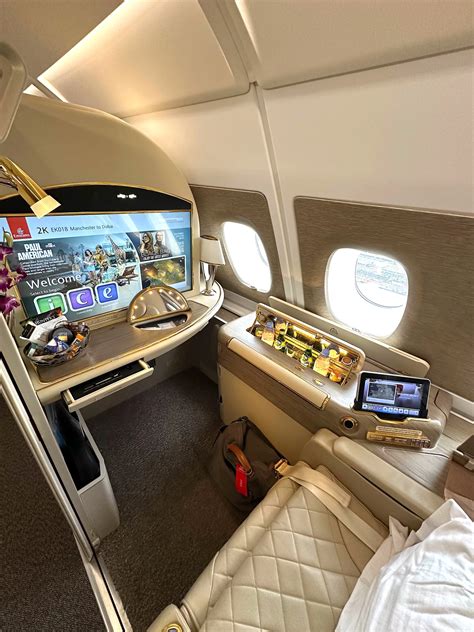
A Glimpse Beyond Europe: Emirates’ A380 Global Reach
While Europe is the largest market for Emirates’ A380 operations, the airline’s global network spans every continent except Antarctica. Destinations frequently served include:
- Asia: Dubai to Bangkok (up to 3x daily), Kuala Lumpur, Tokyo, Seoul, and Mumbai
- Middle East: Dubai to Jeddah and Riyadh, using high-density configurations
- Oceania: Daily services to Sydney, Melbourne, and Auckland
- North America: Dubai to New York JFK (twice daily), one of which includes a stop in Milan
- West Coast USA: Los Angeles and San Francisco, covering over 13,000 km per leg
This intercontinental strategy cements Emirates as the world’s largest A380 operator, with Europe playing a central role in connecting east and west.
Future-Ready Airports: Expansion Is Still Possible
Even though Airbus has ended A380 production, many airports continue to pursue compatibility upgrades. In Europe, airports such as Vienna, Istanbul, Brussels, Stockholm, and Hamburg are in various stages of A380 readiness, awaiting full certification.
This push reflects the continued confidence that despite fleet reductions, A380s will remain in commercial service well into the 2030s, particularly for high-capacity routes where frequency is limited by airport slots.
Conclusion: Europe’s Role In The Superjumbo’s Legacy
Europe stands as a cornerstone of A380 operations, both in terms of airport infrastructure and route density. With over a dozen certified hubs, hundreds of alternate landing sites, and the busiest A380 route globally, the continent remains integral to the aircraft’s continued viability.
Whether at London Heathrow’s crowded runways, Paris’s global hub, or the less-frequented but vital Munich and Manchester, the A380’s presence is more than symbolic — it’s a testament to the enduring need for high-capacity, long-haul travel in a connected world.