
The attempted hijacking of flydubai Flight FZ1073 has taken a far more serious turn after investigators reportedly concluded that the co-pilot accused of attacking the captain had planned to use a commercial aircraft in an attack on Israel before he was even hired by the airline. Israeli officials familiar with the investigation told Reuters that Hamam al-Hammami, an Omani national, allegedly searched for airlines operating flights to Tel Aviv and selected flydubai because it provided access to the route.
The revelation transforms the September 30 incident from an unexplained cockpit confrontation into an alleged long-term aviation security plot. According to investigators cited by Israeli media and international news organizations, al-Hammami intended to take control of the Boeing 737 and crash it into Ben Gurion Airport, potentially creating a mass-casualty event reminiscent of the logic behind the September 11 attacks. The precise details of his alleged plan remain under investigation, however, and authorities have not publicly released a complete evidentiary account.
A Planned Attack Before Al-Hammami Joined Flydubai
The most significant development concerns the timing of the alleged plot. Two Israeli officials with knowledge of the investigation told Reuters that al-Hammami told UAE interrogators he had conceived the attack before joining flydubai. A separate source briefed on the investigation said he had previously operated a flydubai flight to Tel Aviv and had considered carrying out the attack on that earlier service as well.
Reports from Israeli media indicate that investigators believe he deliberately looked for an airline serving Tel Aviv before seeking employment. That allegation raises a particularly difficult question for aviation security: whether the airline was simply the environment in which the opportunity arose, or whether it was specifically selected because its network gave the suspect repeated access to Israel.

The reported planning also allegedly involved earlier visits to Ben Gurion International Airport. According to reports cited by Euronews, the co-pilot had flown to Israel previously and may have gathered information during those visits. Other reports say an earlier attack was considered but abandoned after he realized that someone he knew was among the crew. These details have not all been independently confirmed, but they are now part of the multinational investigation into the incident.
The FZ1073 Cockpit Attack
On September 30, FZ1073 departed Dubai International Airport bound for Tel Aviv. The flight was operating a Boeing 737 MAX 8 when the situation suddenly deteriorated over the region. Flight-tracking data showed a dramatic descent from cruising altitude, followed by changes in altitude and direction as the crew dealt with the emergency.
According to the UAE prosecutor general, al-Hammami attacked Captain Smit Machchhar with a cockpit crash axe and attempted to take control of the aircraft. The attack injured the captain and produced a dangerous loss of altitude. Despite his injuries, Machchhar managed to open the cockpit door, allowing passengers and other crew members to intervene. Their intervention prevented the attacker from maintaining control of the flight deck.
The aircraft subsequently diverted to Tabuk, Saudi Arabia, where it landed safely. Saudi authorities confirmed that the aircraft requested an emergency landing and arrived at Prince Sultan bin Abdulaziz International Airport without a crash. The passengers were later transferred to a replacement aircraft, while the injured pilots received medical treatment.
Aviation Security Questions Intensify
The incident has exposed difficult questions about how an individual allegedly determined to attack Israel could obtain employment as a commercial pilot and eventually be assigned to an Israel-bound service. Investigators are examining al-Hammami’s previous aviation career, background, online activity and reported extremist connections, while authorities in several countries are reviewing information associated with his time abroad.
The case is particularly significant because the alleged intention reportedly existed before the hiring process began. If investigators ultimately establish that account through evidence, the issue will extend beyond cockpit security and into airline recruitment, intelligence sharing and international background screening. The UAE has emphasized that its investigation is examining the circumstances, motives and any possible prior planning or direction behind the incident.
Why the Ben Gurion Airport Target Matters
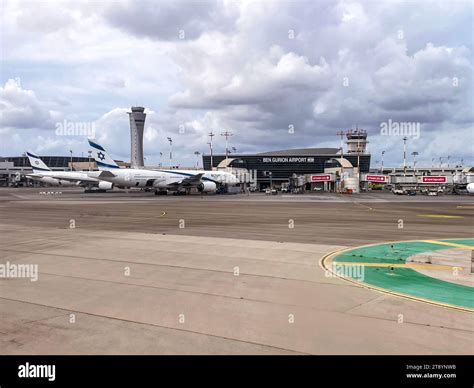
Ben Gurion Airport is Israel’s principal international aviation gateway, making any alleged attempt to deliberately crash a passenger aircraft there a potentially catastrophic security threat. The reported plan also explains why the choice of route has attracted intense attention from investigators: FZ1073 was already traveling toward the intended area, eliminating the need for an elaborate diversion before an alleged final attack.
The investigation remains active, and important details—including the full extent of the alleged preparations, the suspect’s motivations and whether anyone else assisted him—have yet to be established publicly. UAE authorities are leading the criminal investigation, while Israeli and other international agencies are examining related security and intelligence questions.
What is already clear is that the passengers aboard FZ1073 faced a rapidly developing cockpit emergency that could have ended very differently. The captain’s resistance, the intervention of passengers and crew, and the presence of other qualified pilots aboard the aircraft collectively prevented the alleged attacker from maintaining control. The discovery that investigators believe the attack may have been contemplated before al-Hammami joined flydubai has now shifted the central question from what happened aboard FZ1073 to how such a plan allegedly progressed so far without being stopped.