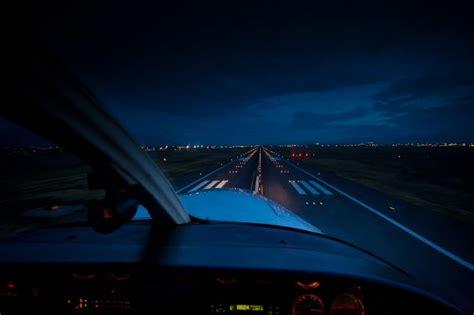
Flying at night can be a rewarding experience for general aviation pilots. However, it comes with unique challenges that require careful preparation. First, ensure your aircraft’s lights are functioning properly. Good visibility is crucial when flying after dark. Familiarize yourself with your flight route before takeoff. Knowing the terrain and potential hazards will boost your confidence.
Next, consider the weather conditions. Night flying can present unexpected changes, so check forecasts frequently. Clear skies are ideal, but always be prepared for sudden shifts. Also, manage your fatigue levels. Nighttime flying can be tiring, so ensure you are well-rested before your flight.
Additionally, use all available resources. Instruments and navigation aids become even more important at night. Rely on your tools to maintain awareness of your position. Lastly, practice good communication. Keeping in touch with air traffic control helps ensure a safe flight.
In summary, night flying in general aviation requires special attention to detail. By following these guidelines, you can enhance your safety and enjoy the beauty of the night sky.