Why You Must Guard Your Logbook With Absolute Precision
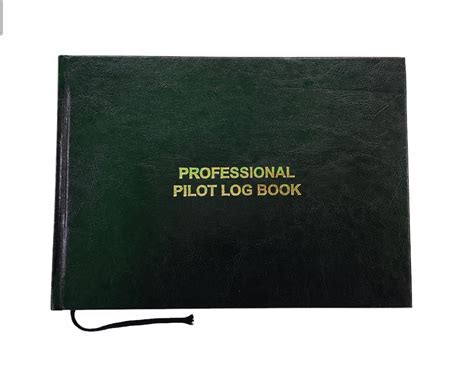
A pilot’s logbook is far more than a simple record of flight hours—it is an FAA-recognized legal document, a historical record of skill development, endorsements, and qualifications. The integrity of this document can determine whether or not a pilot receives a certification, completes a check ride, or qualifies for a job at an airline. Instructors and students alike must approach the logbook with a blend of meticulous care, legal awareness, and professional diligence.
The aviation community has long recognized the critical nature of flight time documentation, yet inconsistencies in how logbooks are managed remain widespread. Whether using paper or digital formats, the responsibilities surrounding these entries must never be taken lightly. Failure to follow proper procedure is more than just a clerical error—it’s a disruption in a pilot’s journey.
The Instructor’s Role: Not Just a Signature, But Accountability
Under FAR 61.51, instructors are responsible for ensuring the accuracy and completeness of all logged dual instruction time. This includes recording not just time in the cockpit, but any applicable ground instruction or simulation time that contributes toward certification or currency. It is a legal expectation that the CFI (Certified Flight Instructor) signs off on these entries personally and immediately—not later, not remotely, and definitely not blindly.
A seasoned CFI will never sign a logbook entry without reviewing and validating its contents. Signing an entry filled out later by a learner—especially one the instructor has not verified—is equivalent to signing a blank check. The integrity of the signature carries weight during FAA audits, check rides, and employment screenings. Instructors are also advised never to recreate entries from memory beyond three years due to the risk of inaccuracies and FAA scrutiny.
A Case Study in Logbook Lapses
Consider the situation of a private pilot learner who recently moved from California to Washington. Several dual instruction flights remained unverified and unsigned due to a rushed and overextended instructor. This lapse triggered a scramble to contact a Designated Pilot Examiner (DPE) for procedural clarity. While there were talks of mailing signed records or arranging return flights to obtain a physical signature, such workarounds often jeopardize the validity of the time logged.
The situation led veteran CFIs at the flight school to issue a clear advisory: always make time to review, log, and sign training records in person—no exceptions.
Log What Matters: What Should Be Entered and When
Each entry in a logbook should reflect:
-
Date of the training session
-
Aircraft type and tail number
-
Route of flight (or simulator session description)
-
Total time, takeoffs, landings
-
Conditions flown under (VFR/IFR)
-
Type of training (solo, PIC, dual received, ground instruction)
-
CFI signature and certificate number
When these details are not filled out fully or correctly, the FAA may deem the hours invalid. If a DPE detects incomplete or incorrectly endorsed experience, the check ride can be postponed—a delay that can stretch into days due to required coordination with the Flight Standards District Office (FSDO).
Paper Logbooks: Totals, Endorsements, and Physical Care
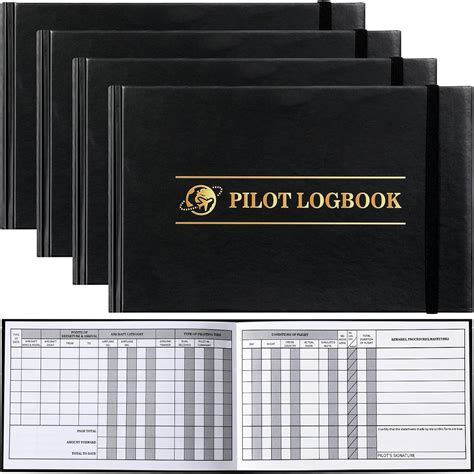
For those still using paper logbooks, organization and mathematical accuracy are paramount. Tallying columns while distracted can result in the loss of logged hours. Instead:
-
Use ink for permanent totals.
-
Check the endorsement section in the back of the logbook.
-
Clearly separate ground instruction and simulator time, especially if your logbook lacks a dedicated section.
Many experienced instructors recommend allocating separate pages for FTD/AATD (Flight Training Device / Advanced Aviation Training Device) time. While some CFIs dismiss these entries as non-essential for airline careers, others understand their significance under FAA definitions of instructional time.
Avoid falling into the trap of tribal knowledge—rumors about disqualifying ink colors or invalid simulator time are largely myths without regulatory backing.
The Importance of Endorsements and Advisory Circular 61-65
One critical piece often overlooked is the proper wording of FAA endorsements. Every endorsement must follow the template and structure found in Advisory Circular 61-65. Failure to mirror this language precisely may lead the DPE to invalidate the associated training, potentially canceling or delaying a check ride. The current reference is AC 61-65H, and instructors should regularly update themselves on revisions.

Solo Flights and Tradition: Who Writes First?
Some flight schools uphold a tradition in which the learner writes their name on the first page of the logbook. From there, practices vary: some schools let learners fill out flight entries starting from day one, while others reserve this privilege for the post-solo phase.
Solo flights are momentous, and their logbook entries should be equally special. Many instructors annotate the dual portion first, then theatrically leave the solo section for the learner to complete after their three takeoffs and landings. This creates a lasting memory of the milestone and marks the transition from instructor-led to self-guided learning.
Digital vs Paper Logbooks: Pros, Cons, and Legal Considerations
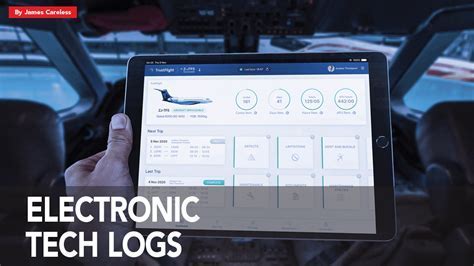
Electronic logbooks have grown in popularity due to their convenience. Apps allow users to enter data quickly, with auto-calculating fields and cloud backups. Still, CFIs must ensure they are properly digitally signing entries, and learners must print out records when required by DPEs.
Best practices include:
-
Using an external keyboard to avoid entry errors
-
Backing up logbook data after every session
-
Keeping print-ready PDFs or spreadsheets for check rides
Despite their digital ease, the FAA still regards logbooks as official documents. Falsified or unverifiable entries—even in digital format—can raise red flags during certification or audit.
How to Safeguard Your Flight History
Losing a logbook—whether by fire, theft, or data loss—can cause untold damage to a pilot’s career. Pilots are encouraged to:
-
Photograph each totaled page of their paper logbooks
-
Store backup images in multiple locations, including cloud storage
-
Maintain a redundant digital logbook if primarily using paper
This redundancy not only preserves flight history but provides quick access when proof of time is required for certifications, renewals, or job applications.
Guard Your Logbook Like It’s a Passport to the Skies
Every instructor and learner must treat the pilot logbook as a certified legal record, not an afterthought. From the first page to the final endorsement, this document reflects not just flight time but credibility, experience, and professional responsibility. Signing without reviewing, guessing flight hours, or ignoring endorsement language can all lead to disqualification.
A well-kept logbook protects you. It validates every hour of hard work, every dollar spent, and every milestone earned on your path to aviation excellence. Protect it. Back it up. And fill it out like your career depends on it—because it does.
Frequently Asked Questions (FAQs)
What should a CFI include in a learner’s logbook entry?
A CFI should include the date, aircraft type, flight time, conditions (VFR/IFR), route or simulator context, type of instruction (dual, PIC, solo), and their own signature and certificate number. Each entry must meet FAA standards per FAR 61.51.
Can electronic logbooks replace paper ones completely?
Yes, if they meet FAA requirements. However, many DPEs request printed copies for check rides. Pilots should keep backups and be ready to present records in multiple formats if needed.
Is it legal for a CFI to sign a logbook entry without seeing the flight?
No. Doing so is considered falsification and can result in FAA enforcement action. CFIs are legally responsible for the accuracy of the entries they sign, and must directly observe the flight or training session in question.